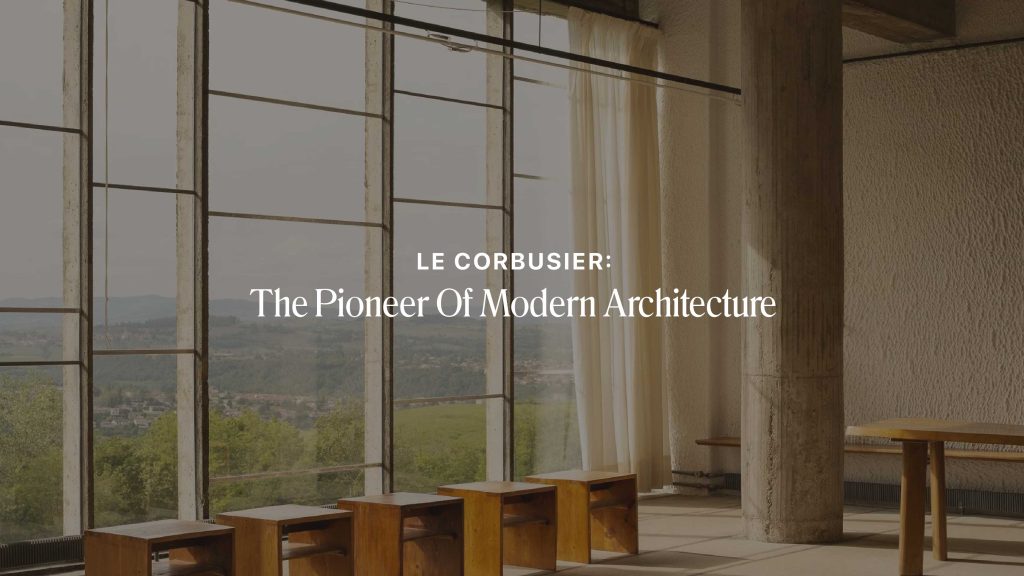
Le Corbusier: The Pioneer of Modern Architecture
In the history of modern architecture, few names carry the same weight and force as Le Corbusier. His vision did not simply respond to a changing world, it helped define it. Through radical ideas, iconic buildings, and luxury home furniture, he reshaped how space is imagined, constructed, and lived.
This article invites you into the world of Le Corbusier, tracing his origins, his guiding principles, and the vision that shaped landmarks such as Villa Savoye, Unité d’Habitation, and Notre Dame du Haut. It moves between architecture and design, where furniture pieces like the Le Corbusier chair and the Le Corbusier chaise lounge continue to inhabit contemporary interiors with presence. Across each project and piece, his influence endures, shaping modern architecture through a dialogue between form, function, and light.
-
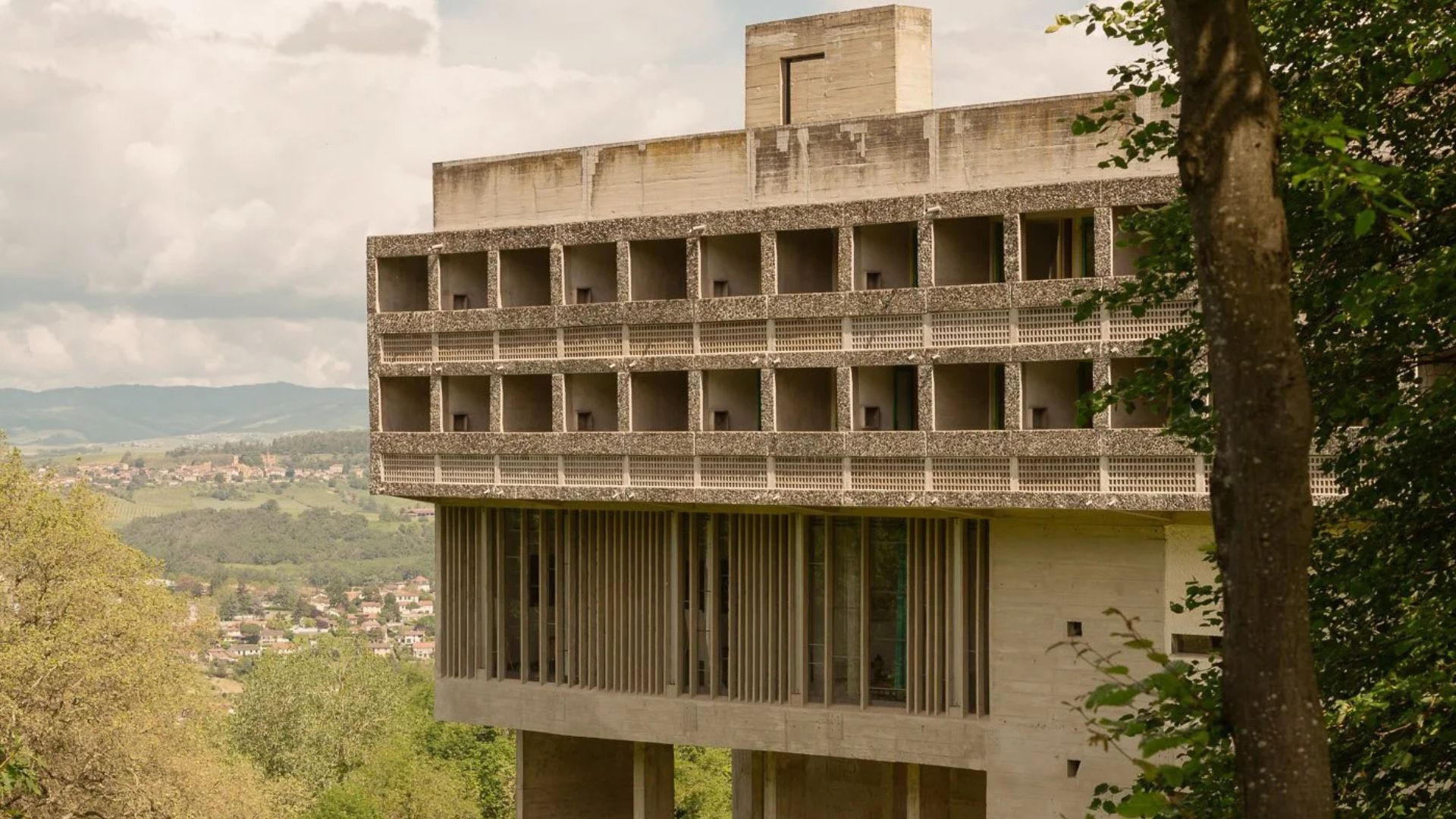
- Sainte Marie de La Tourette by Le Corbusier | Source: Pinterest
Who Is Le Corbusier?
Le Corbusier, born as Charles-Édouard Jeanneret in 1887 in the Swiss town of La Chaux-de-Fonds, became one of the most influential figures in modern architecture. Growing up in an environment shaped by craftsmanship and precision, he was deeply influenced by the discipline of watchmaking, which influenced his early understanding of detail, proportion, and structure, qualities that would later define the architectural vision of Le Corbusier.
Throughout his career, Le Corbusier redefined architecture as a discipline guided by function, clarity, and structure. He is widely recognised for establishing the foundations of modern architecture, introducing a new language based on simplicity, light, and rational design. His work moved away from ornament, focusing instead on how space should respond to the needs of modern life.
Beyond buildings, his influence extended into urban planning and home furniture design. Pieces such as the Le Corbusier chair and other luxury furniture reflect the same principles found in his architecture, where form follows purpose and comfort is carefully considered. This holistic approach allowed Le Corbusier to shape not only individual spaces but the way people live within them.
-
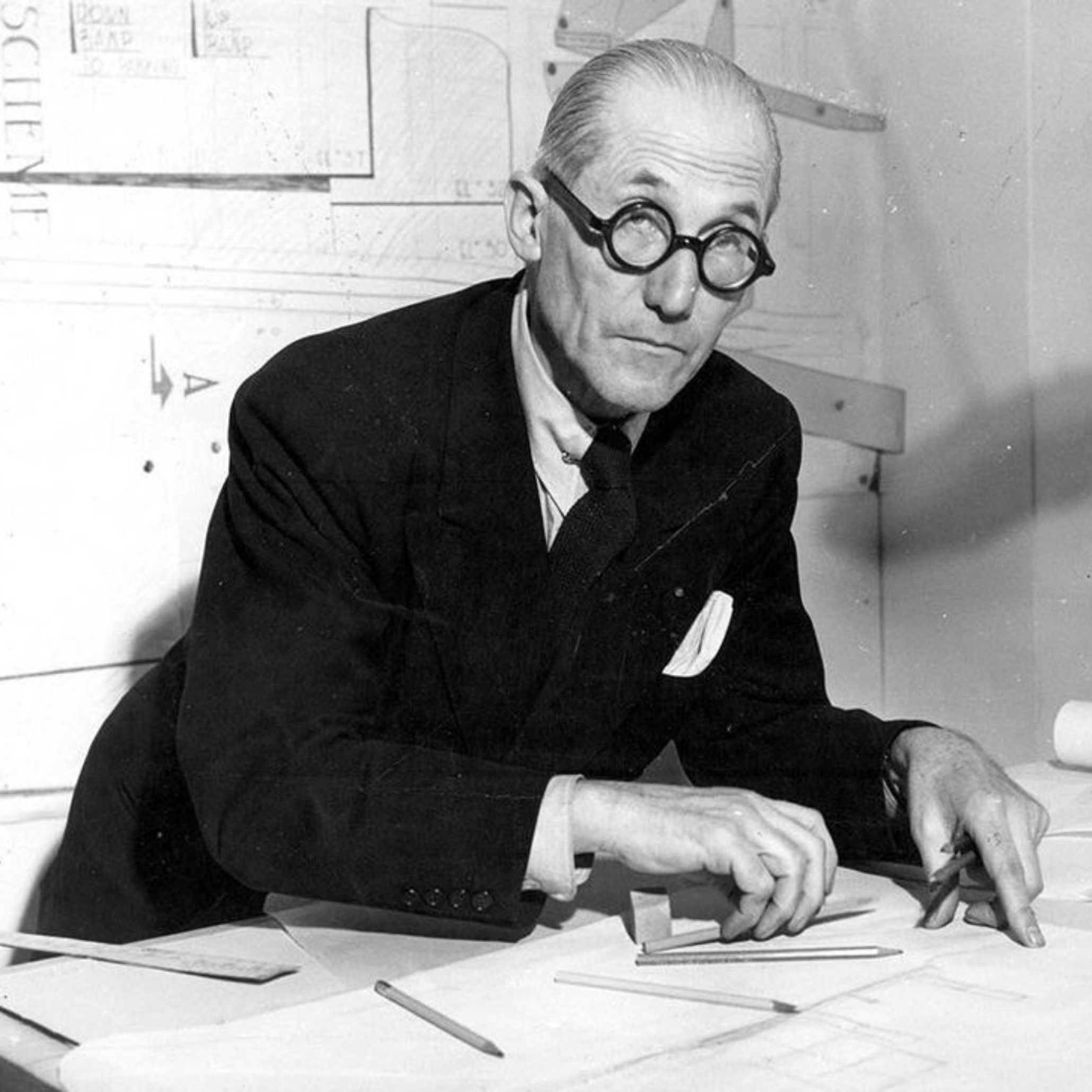
- Le Corbusier at work in his studio | Source: Pinterest
-
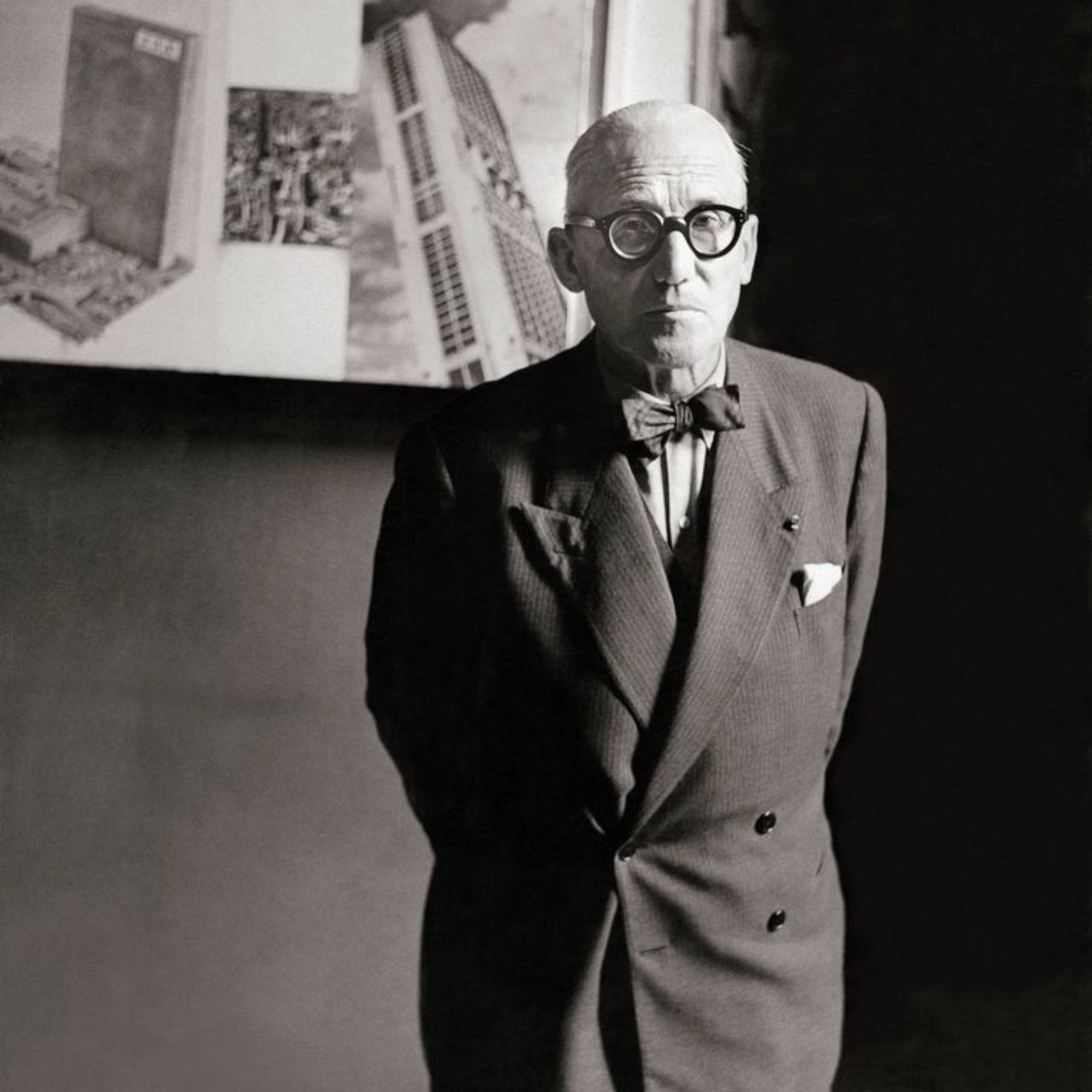
- Le Corbusier | Source: Pinterest
Le Corbusier’s Architectural Philosophy: The Five Points of Architecture
Le Corbusier developed a set of principles known as the Le Corbusier five points of architecture, which redefined how buildings relate to space and daily life.
These principles include pilotis, slender structural columns that lift the building above the ground and create a sense of openness; the free plan, which allows interior spaces to be arranged without rigid structural divisions; the free façade, where the exterior becomes independent and expressive; ribbon windows, extending horizontally to bring consistent natural light deep into the interior; and the roof garden, transforming the top of the building into a living space that reconnects architecture with nature.
Together, these elements established a new direction for modern architecture. They introduced clarity and freedom within structure, allowing spaces to feel open and purposeful. The influence of the Le Corbusier five points of architecture remains visible in contemporary homes and interiors.
-
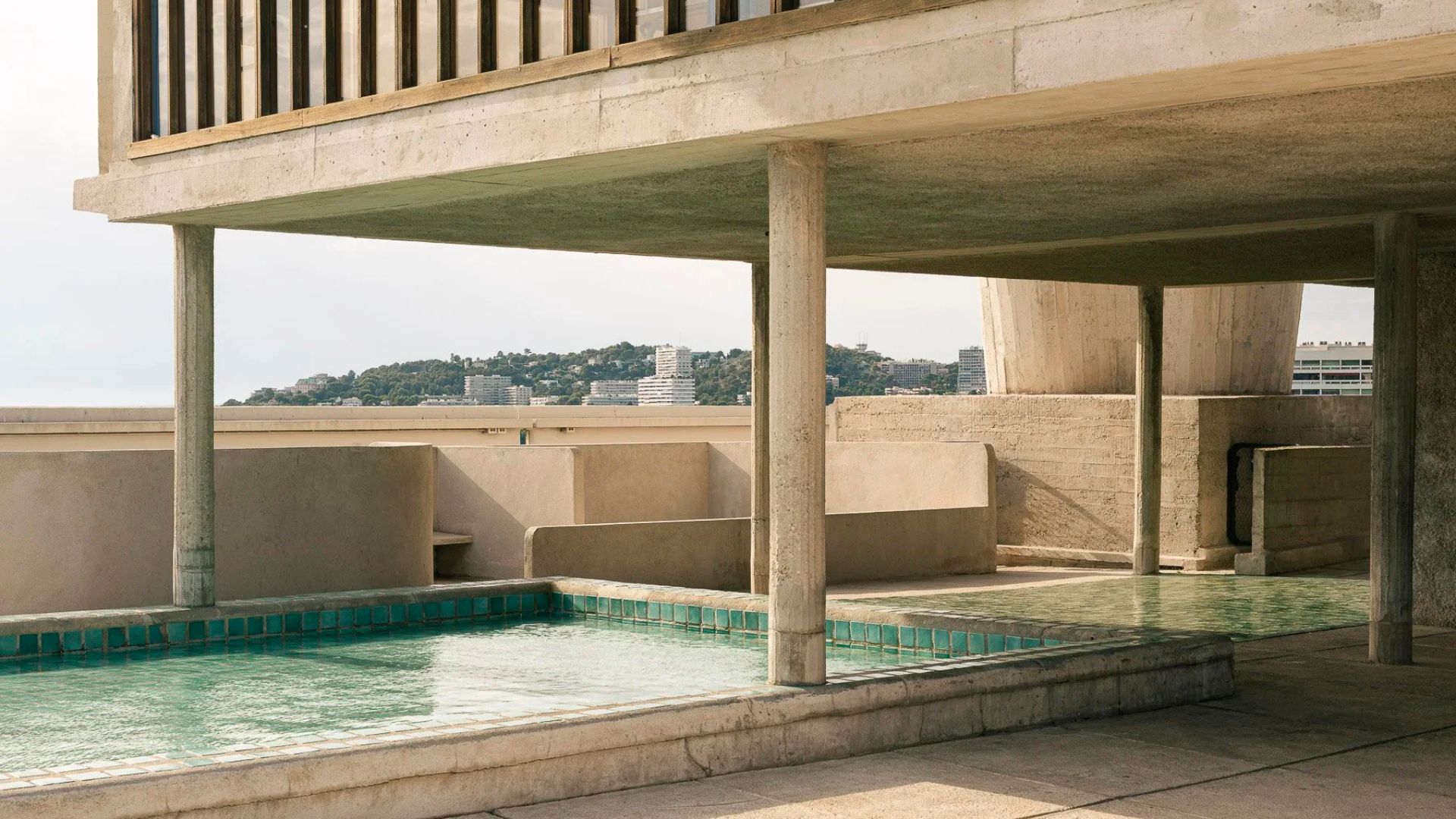
- Unité d’Habitation rooftop by Le Corbusier | Source: Pinterest
Iconic Works by Le Corbusier
Across different scales and locations, Le Corbusier created buildings that continue to define modern architecture. His work is recognised for its strong geometry, careful proportions, and a clear relationship between structure and use.
Beyond form, his architecture reveals a thoughtful understanding of how space is experienced. Movement, light, and perspective are considered from the very beginning, shaping how each environment is perceived and inhabited. Through this approach, Le Corbusier developed a body of work where precision and intention guide every element, allowing modern architecture to feel both structured and open.
Villa Savoye
Villa Savoye, located in Poissy, France, stands as one of the clearest expressions of the Le Corbusier five points of architecture. Designed as a modern country house, it appears as a white volume raised above the landscape through pilotis.
In Le Corbusier Villa Savoye, space is organised with intention. The free plan allows movement to flow naturally, while ribbon windows frame the surrounding greenery. Villa Savoye remains a key reference in modern architecture, illustrating how simplicity and proportion can define an entire architectural movement.
-
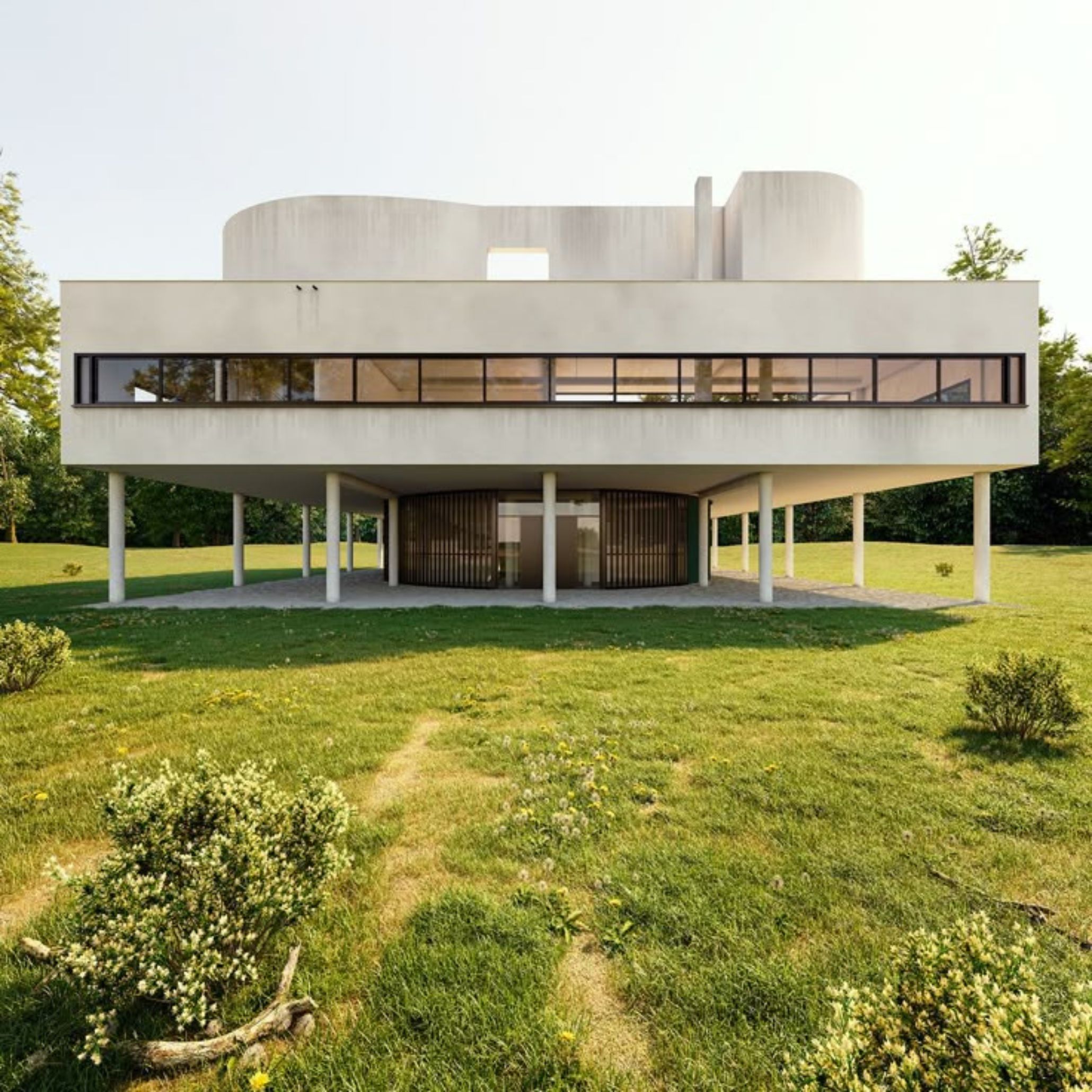
- Villa Savoye by Le Corbusier | Source: Pinterest
-
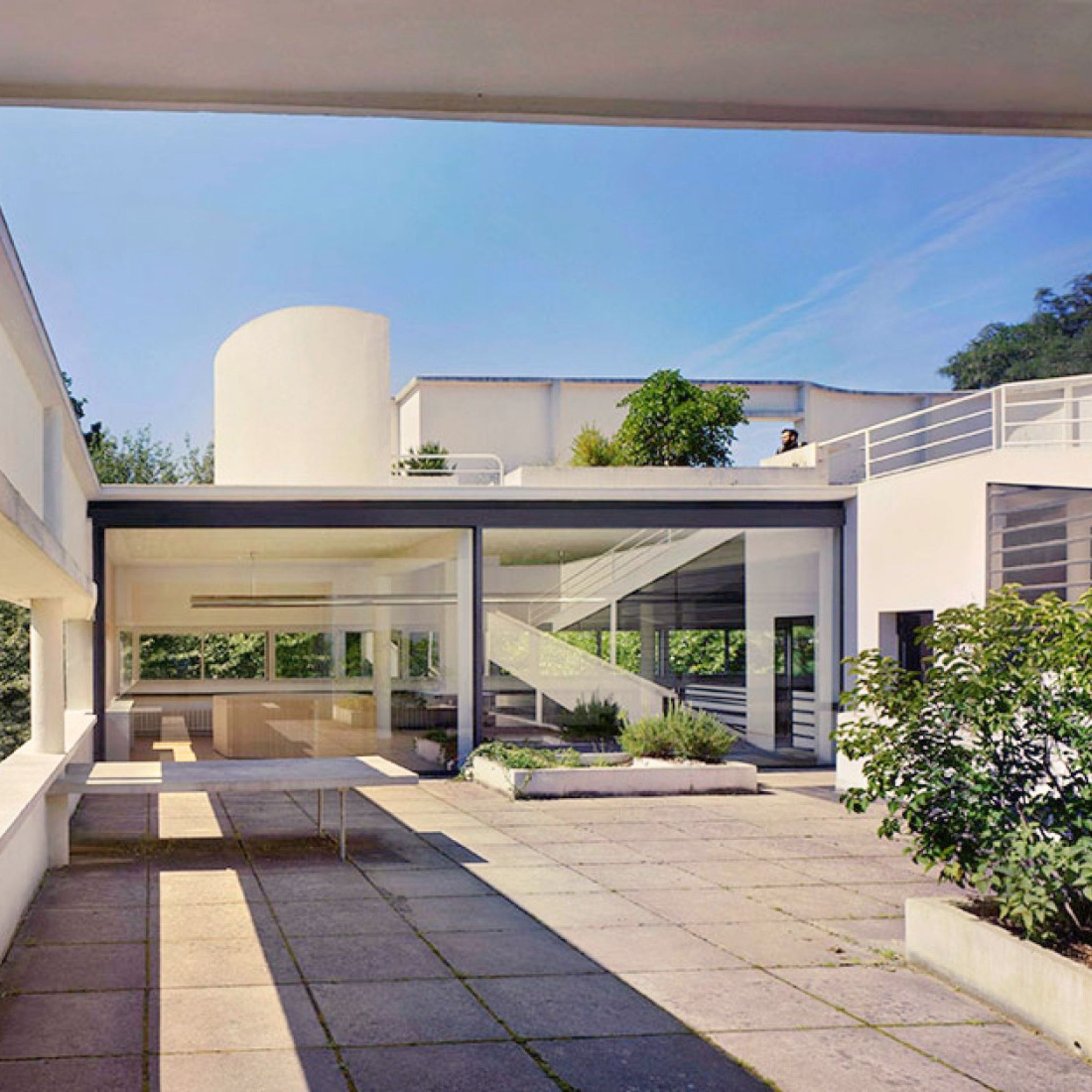
- Rooftop garden of Villa Savoye by Le Corbusier | Source: Pinterest
Unité d’Habitation
Unité d’Habitation, located in Marseille, presents a new vision for collective living. Designed as a vertical community, it integrates residential units with shared spaces, creating a structured environment within a single building.
With Unité d’Habitation, Le Corbusier explored how architecture could shape everyday life. The building’s modular system and strong form reflect a rational approach to housing. It remains an essential project in the development of modern architecture, inspiring bespoke furniture solutions that balance function with elegance.
-
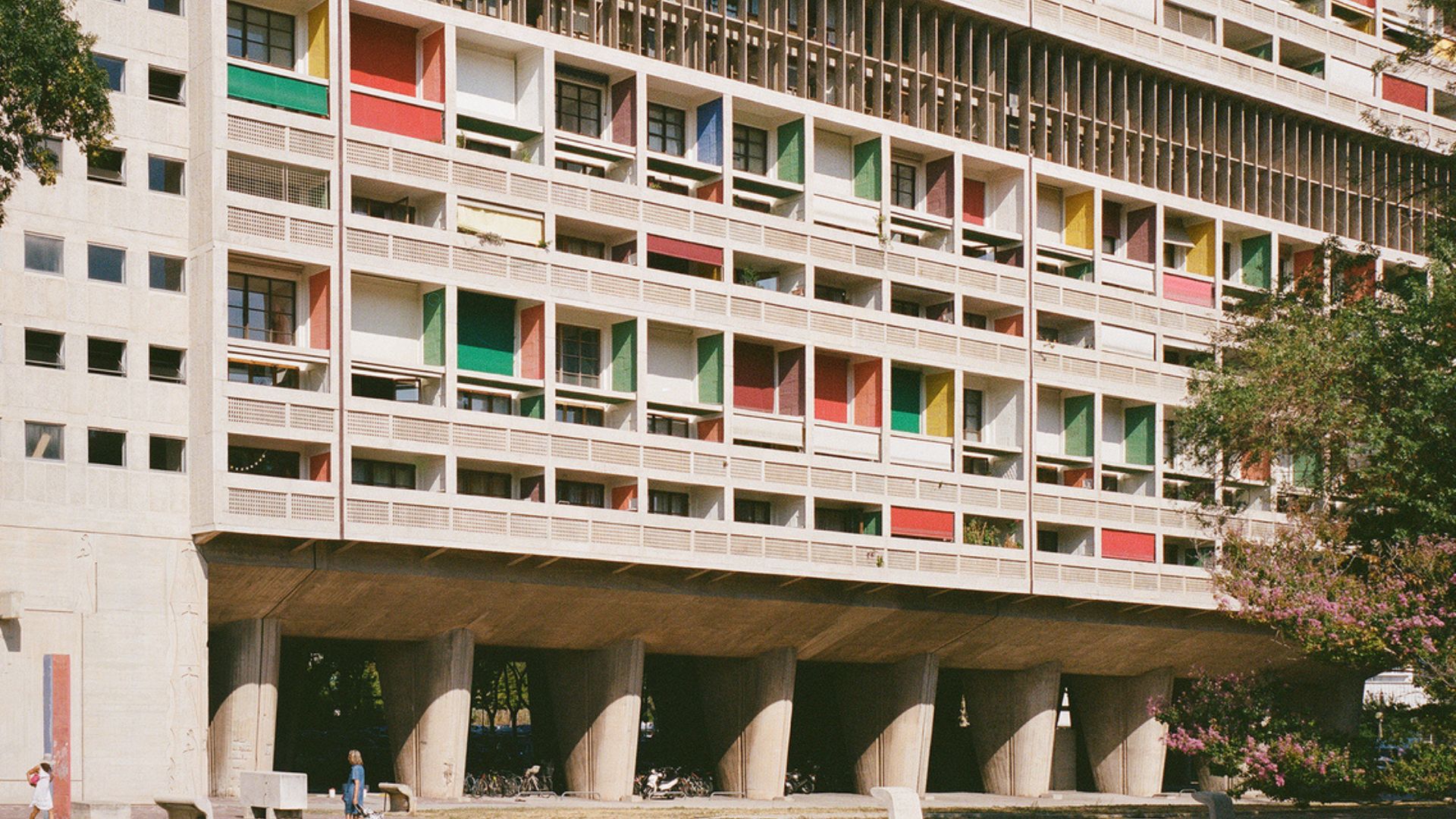
- Unité d’Habitation by Le Corbusier | Source: Pinterest
Notre Dame du Haut
Notre Dame du Haut, in Ronchamp, reveals a different approach within the work of Le Corbusier. The chapel is defined by curved walls and a sculptural roof, creating a distinct presence in the landscape.
Light plays a central role in Notre Dame du Haut, entering through carefully placed openings and shaping the interior atmosphere. This project shows how modern architecture can move beyond strict geometry, creating spaces that feel expressive while maintaining architectural clarity.
-
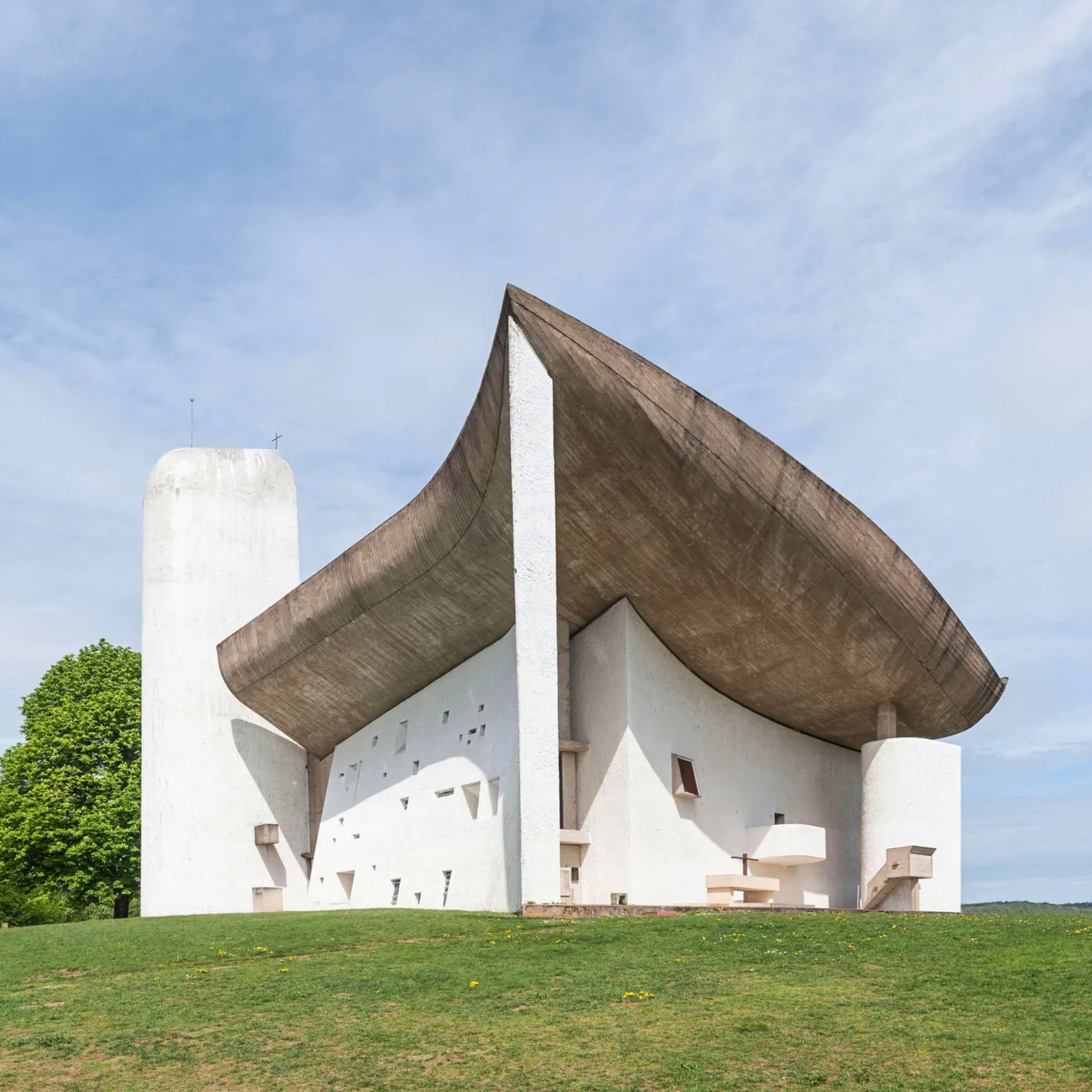
- Notre Dame du Haut by Le Corbusier | Source: Pinterest
-
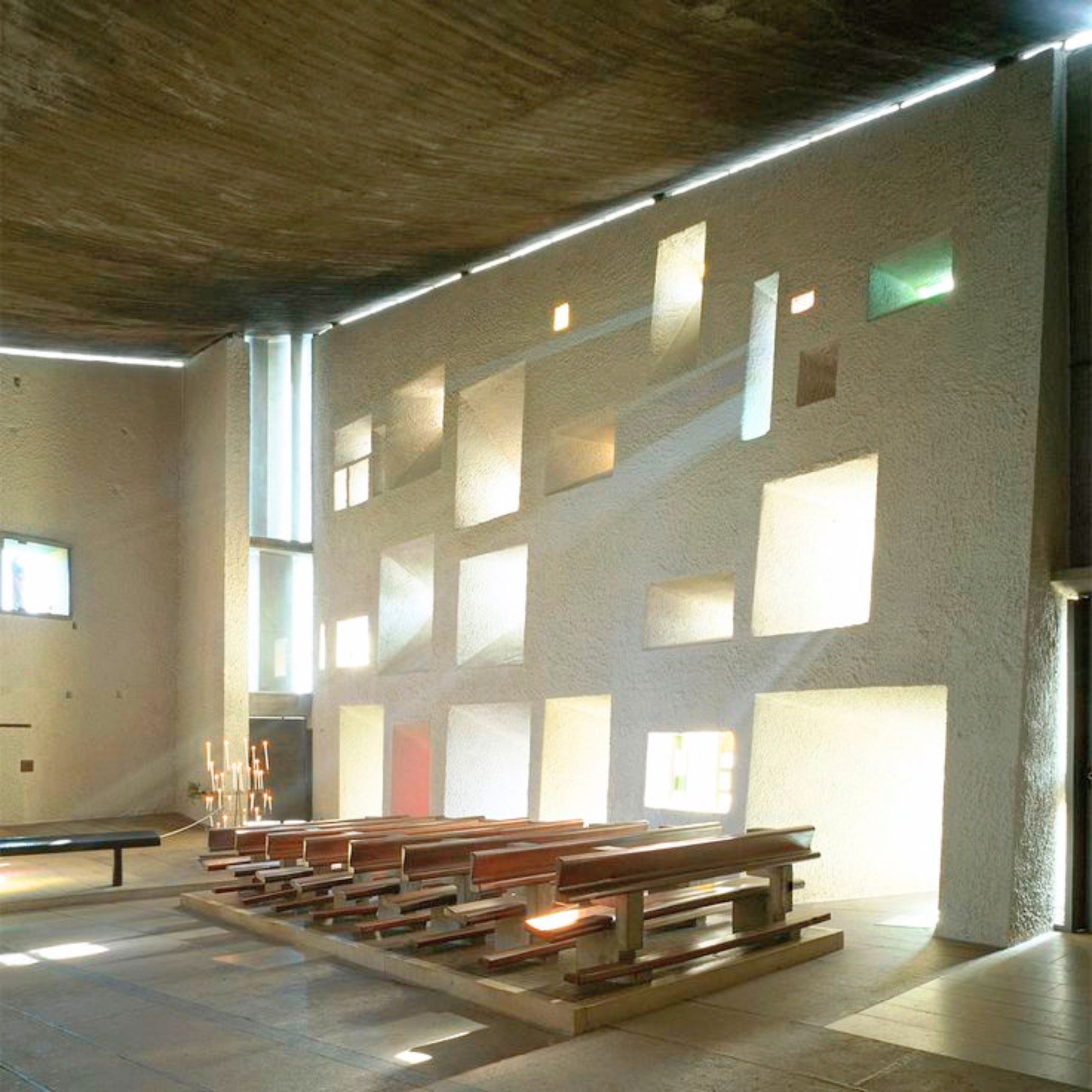
- Interior of Notre Dame du Haut by Le Corbusier | Source: Pinterest
Le Corbusier Furniture Pieces
Le Corbusier extended his architectural thinking into furniture, creating designs that reflect the same attention to proportion and function. His pieces where developed to respond directly to the human body and its needs.
This approach connects naturally with the vision of Stylish Club, where furniture is designed with intention, elegant proportions, and a strong identity. The Le Corbusier chair and the Le Corbusier chaise lounge continue to influence contemporary interiors and luxury home furniture.
Le Corbusier Chaise Lounge (LC4)
The Le Corbusier chaise lounge, known as the LC4, stands as a defining piece in modern design. Its form follows the natural curve of the body, creating a reclining position that feels intuitive and effortless.
The structure, composed of a steel frame and a suspended seat, introduces a sense of lightness despite its industrial materials. The adjustable base allows the user to shift positions with ease, reinforcing the idea that comfort should adapt to the body rather than the opposite. The Le Corbusier chaise lounge reflects a clear intention, where design responds directly to human experience while maintaining a strong architectural identity.
-
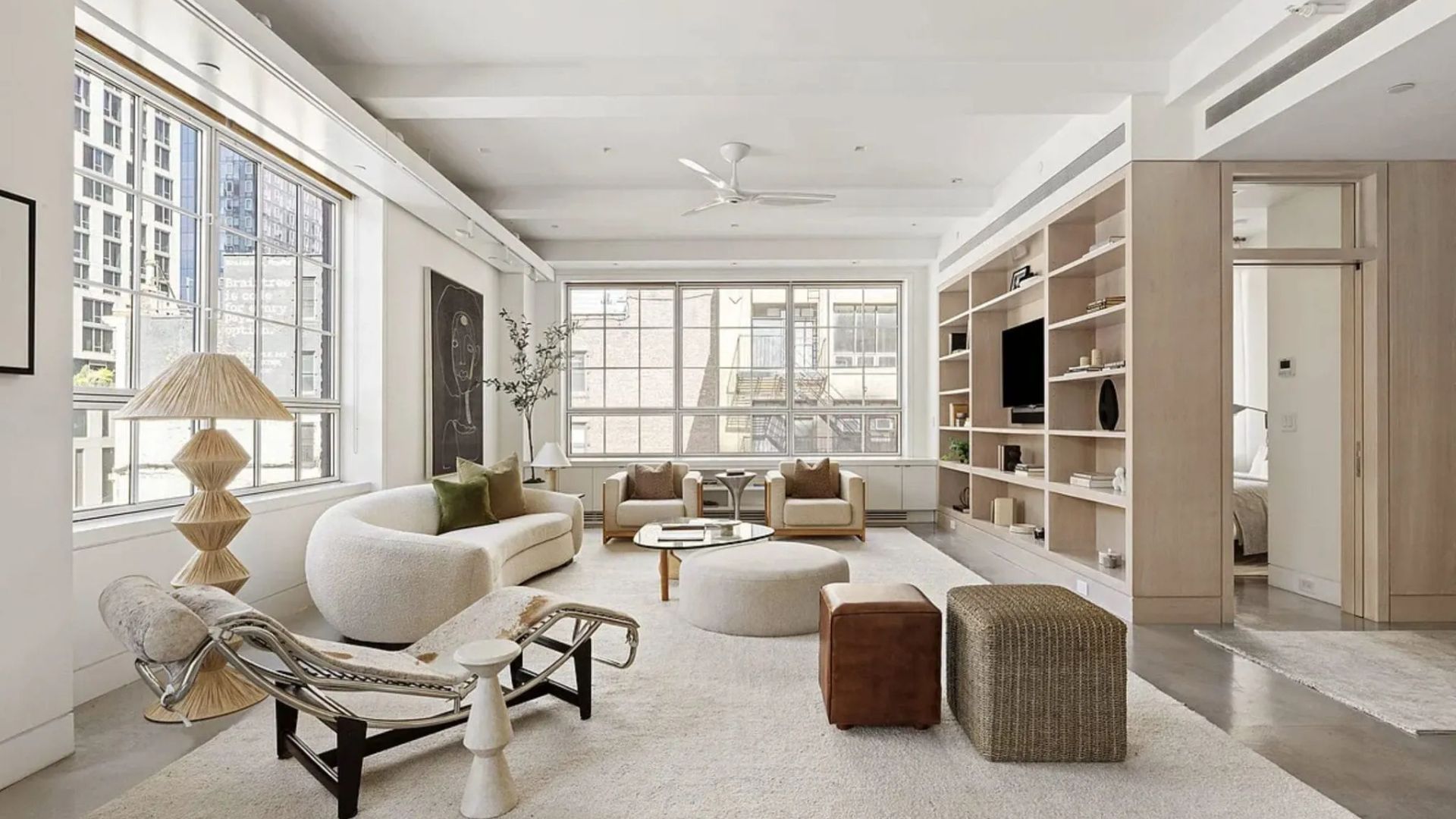
- Contemporary interior featuring the Le Corbusier Chaise Lounge | Source: Pinterest
Le Corbusier Chair (LC2 / Grand Confort)
The Le Corbusier chair, particularly the LC2 Grand Confort, presents a distinct approach to seating. Its external metal frame outlines the structure with precision, while the cushions sit within it as independent volumes.
This contrast creates a visual clarity that reflects the principles of modern architecture. Structure is not hidden but expressed, allowing the relationship between support and comfort to remain visible. The Le Corbusier chair continues to define contemporary interiors, where clarity of form and intention guide the design of each piece.
-
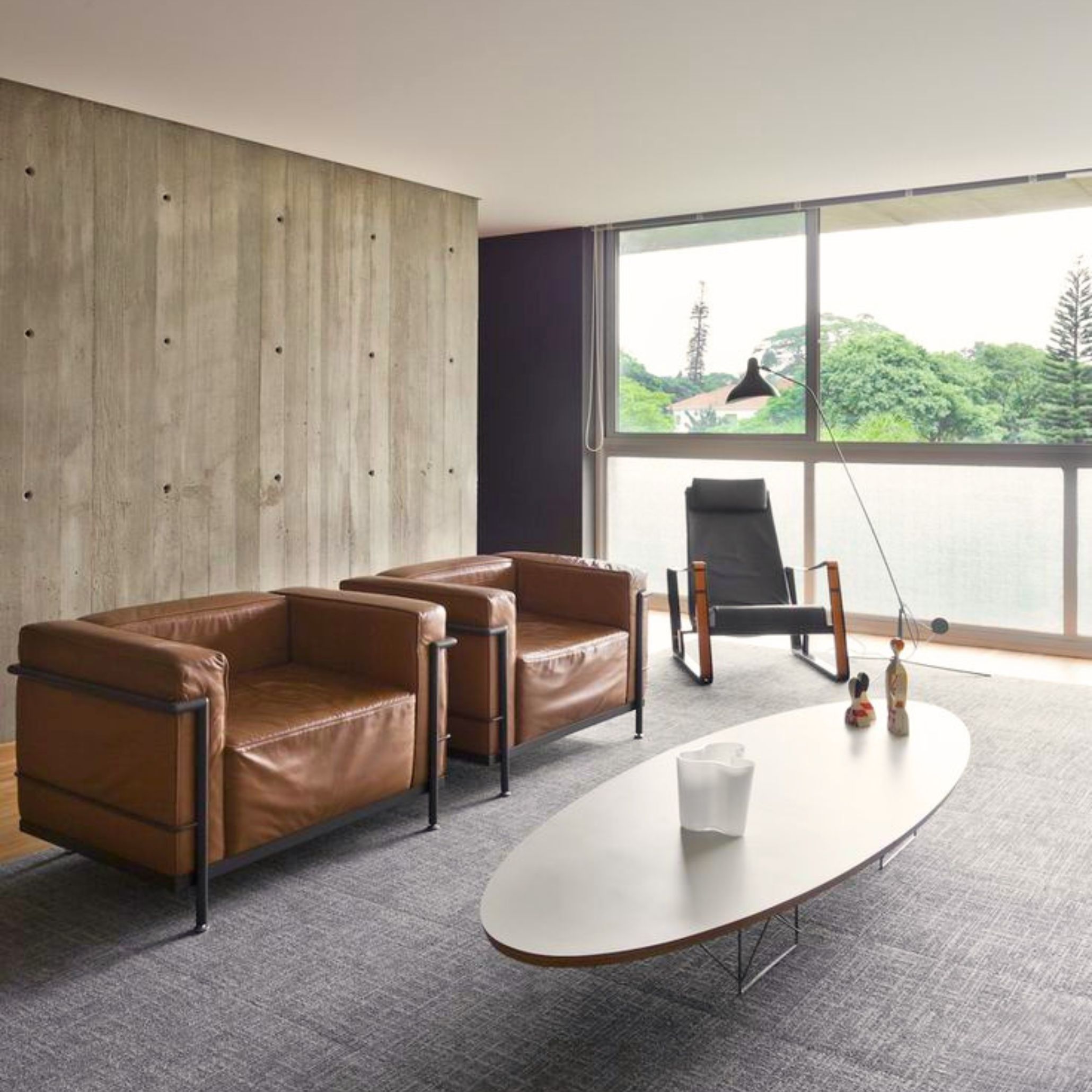
- Contemporary interior featuring the Le Corbusier LC2 Chair | Source: Pinterest
-
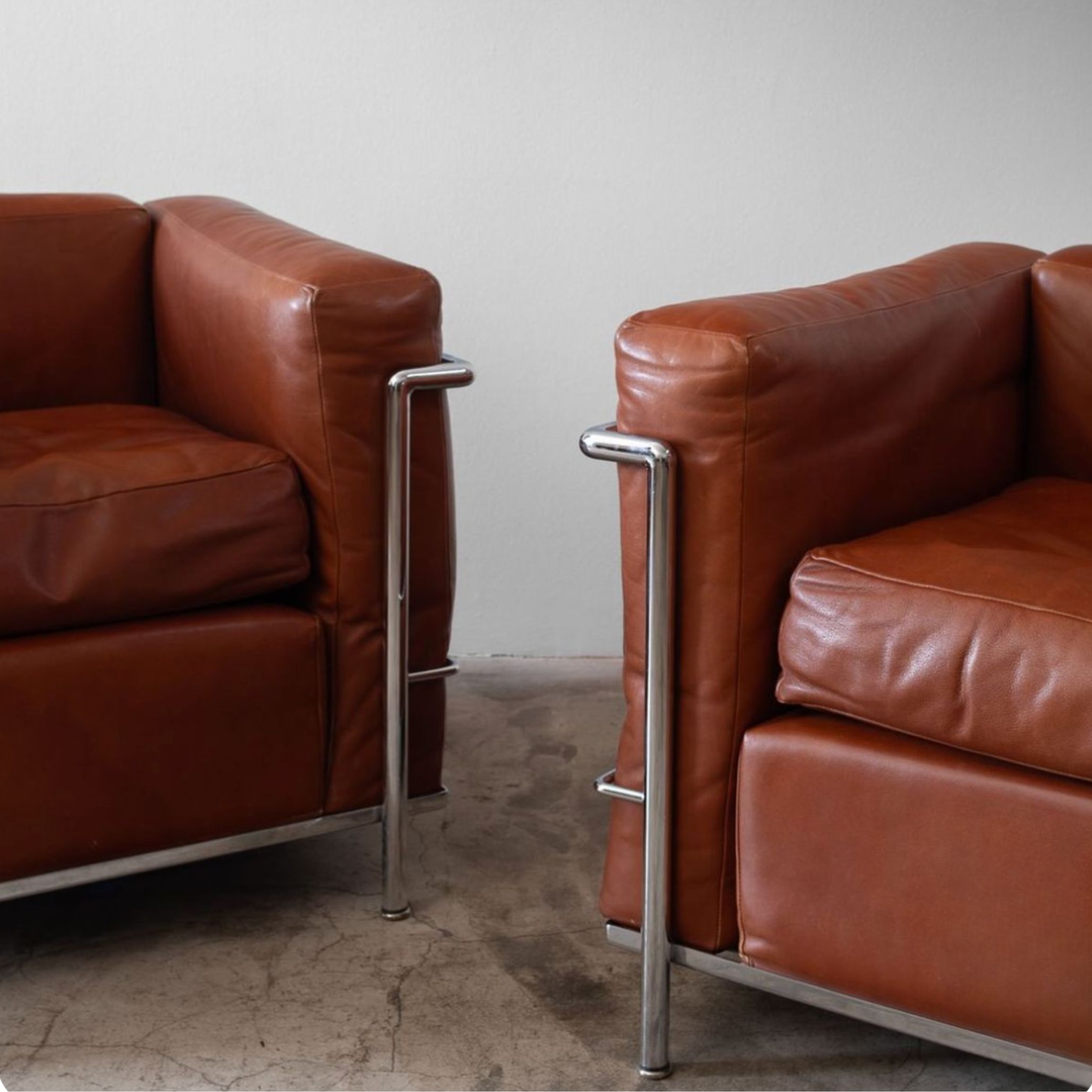
- Le Corbusier LC2 Grand Confort Chairs | Source: Pinterest
Le Corbusier’s Legacy: Influence and Lasting Impact
The influence of Le Corbusier extends across architecture, design, and urban thinking. His ideas continue to guide architects and designers, shaping the evolution of modern architecture across the world.
From large-scale housing concepts to the enduring presence of the Le Corbusier chair, his work remains relevant in both public and private spaces. His approach to proportion, light, and structure continues to inform contemporary design practices, inspiring architects, interior designers, and product designers alike.
At Stylish Club, this legacy is recognised and celebrated. The focus on elegant design, thoughtful proportions, and lasting quality reflects the principles introduced by Le Corbusier. His work continues to inspire spaces and luxury furniture that feel intentional and alive with presence.
-
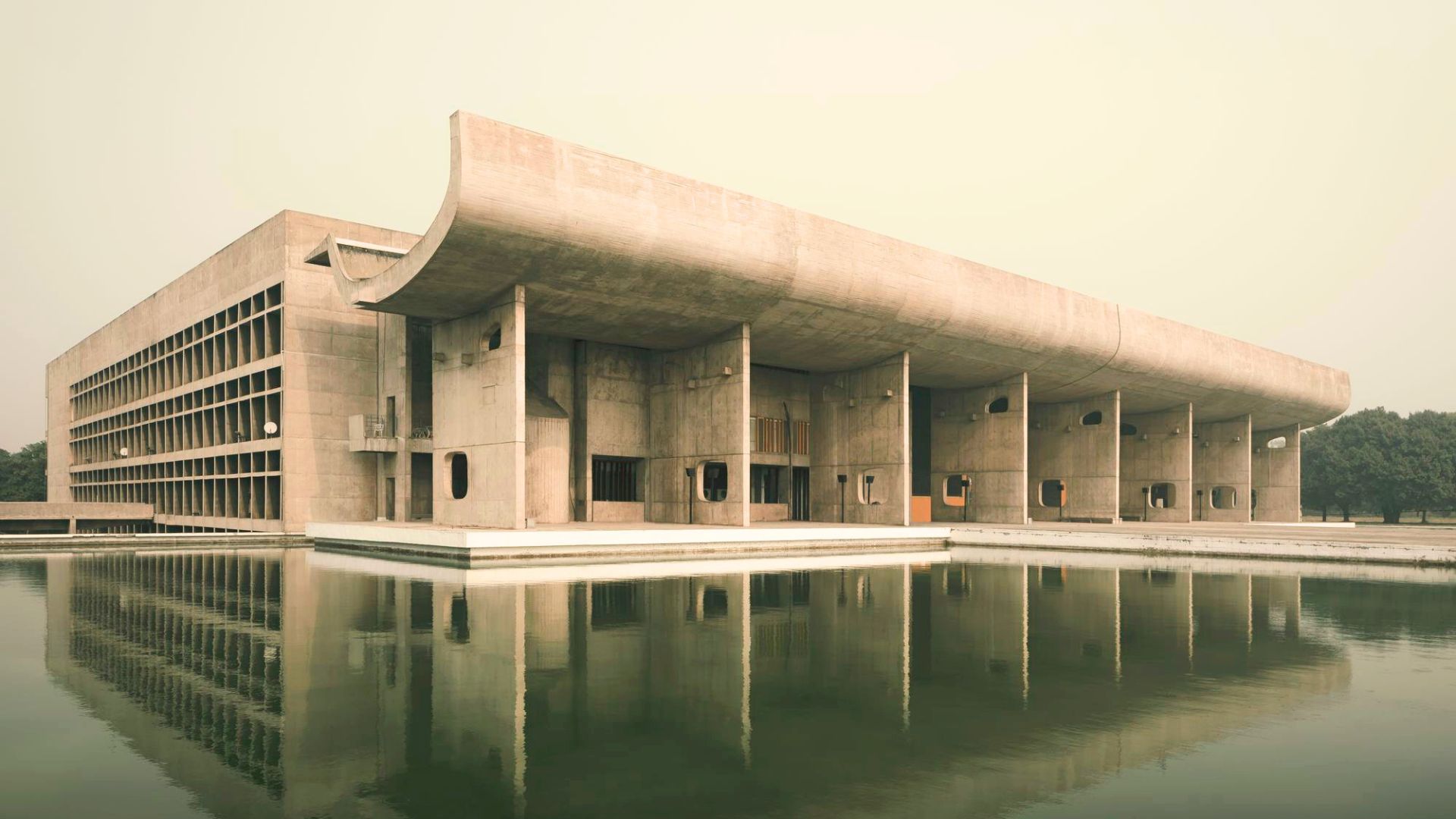
- Palace of Assembly by Le Corbusier | Source: Pinterest
Le Corbusier changed the direction of modern architecture through a clear and disciplined vision. Projects such as Villa Savoye, Unité d’Habitation, and Notre Dame du Haut demonstrate how architecture can respond to both function and emotion. His modern furniture, including the Le Corbusier chaise lounge and the Le Corbusier chair, shows that the same principles can exist at every scale.
Today, his influence remains visible in the spaces we inhabit. Through structure, light, and proportion, his ideas continue to shape modern architecture, offering a lasting perspective on how design can define the way we live.