Inside the Atelier: How Stylish Club Crafts Comfort Through Materiality
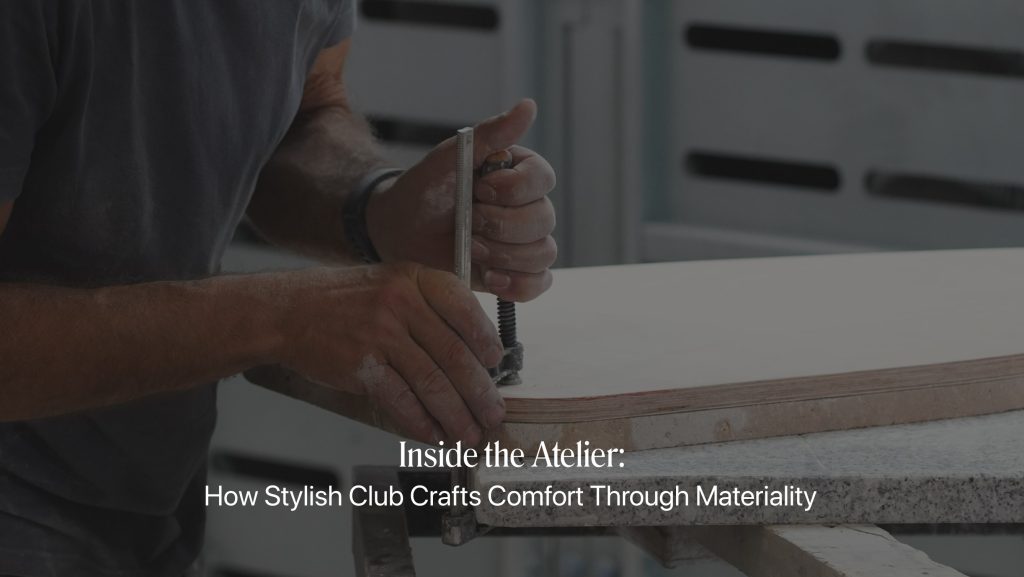
Comfort is more than a feeling. In interior design, it is the result of thoughtful decisions about materials, proportions, textures and the way each piece interacts with its surroundings. At Stylish Club, Comfort Through Materiality explores how these elements come together to create furniture that feels as thought-out as it looks. By bringing creative vision and technical knowledge into dialogue, the brand creates furniture for interior designers and architects seeking distinctive pieces, elegant finishes and adaptable solutions for their projects.
Where Does the Creative Vision Meets Technical Expertise?
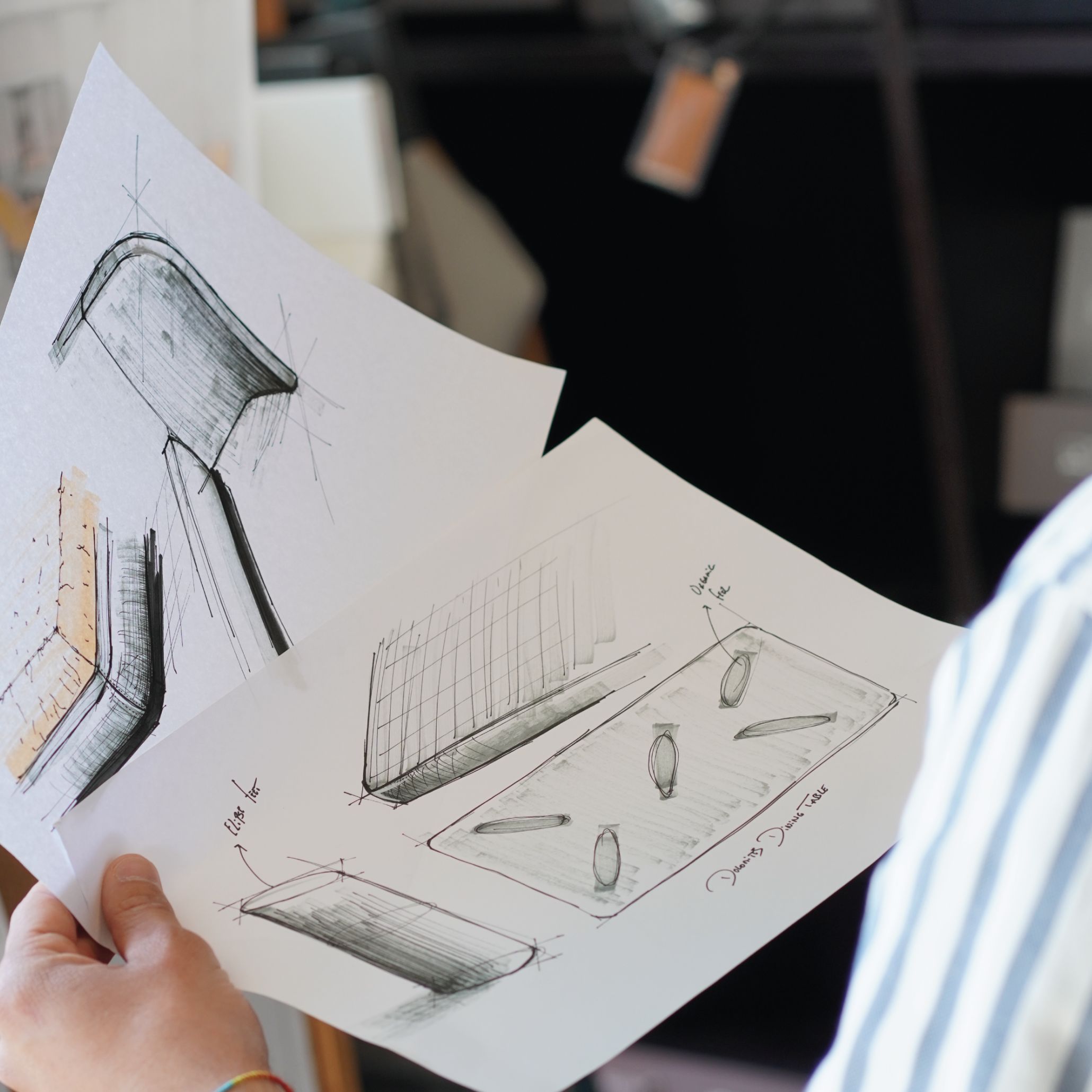
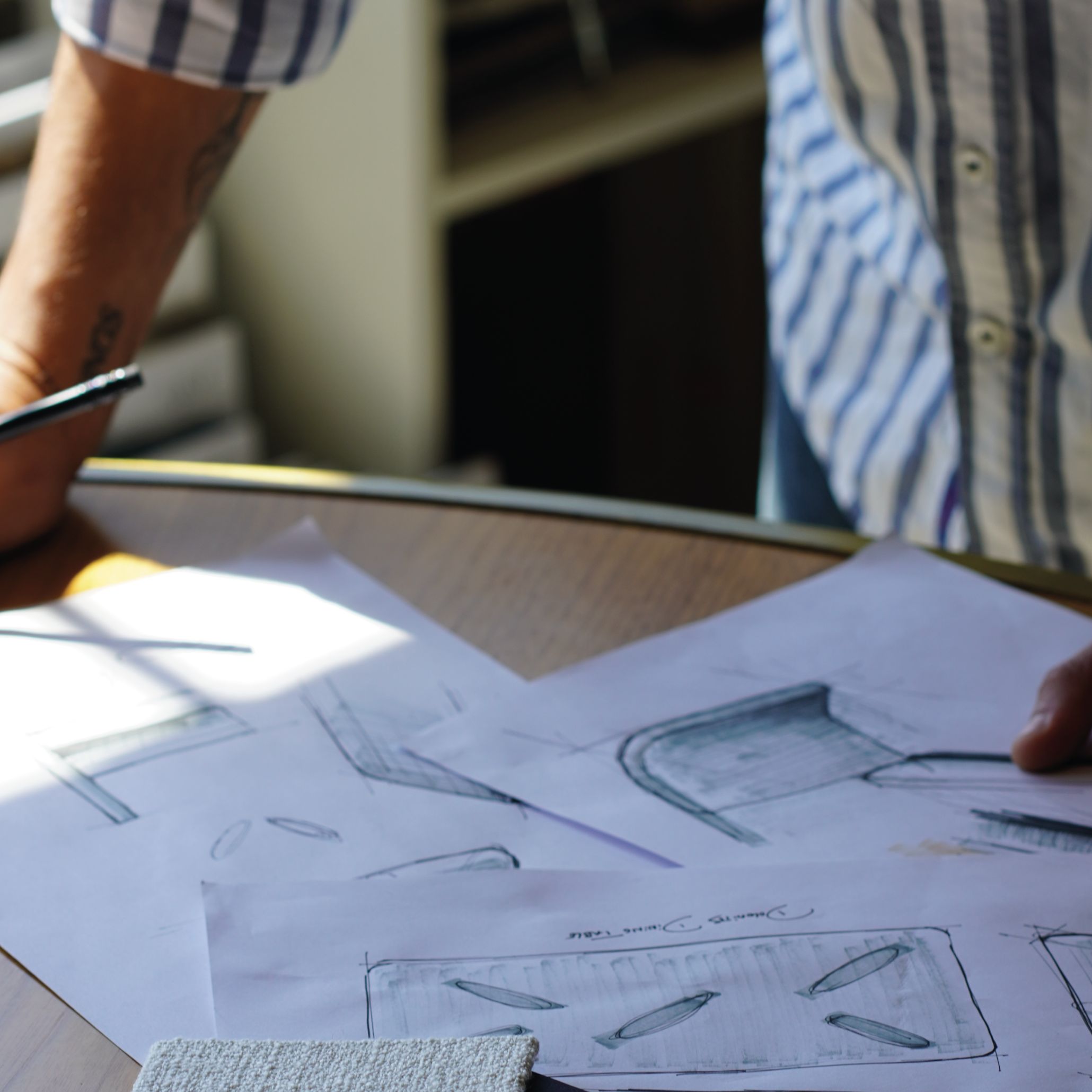
Every piece of furniture begins with an idea. Sometimes, it is inspired by a landscape, an architectural detail or the natural character of a material. At other times, it starts with a practical need: a particular function, a desired proportion or the challenge of bringing a design concept to life.
From the Dolomites Collection to the His & Her Collection, you can find several examples where the Creative Team from the Club took this into consideration. But turning that initial idea into a finished piece requires more than a good eye for design. It involves understanding how form, material and construction work together.
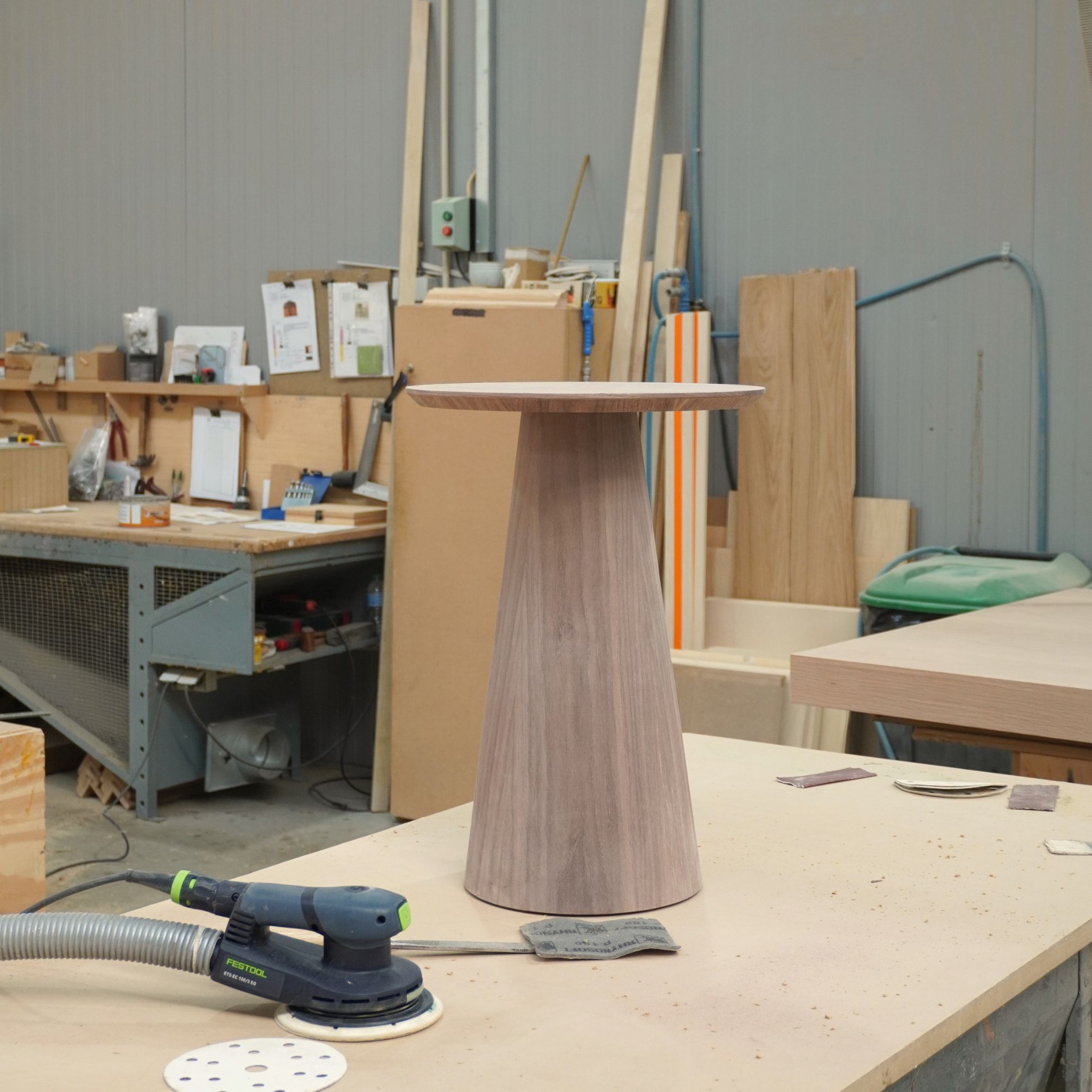
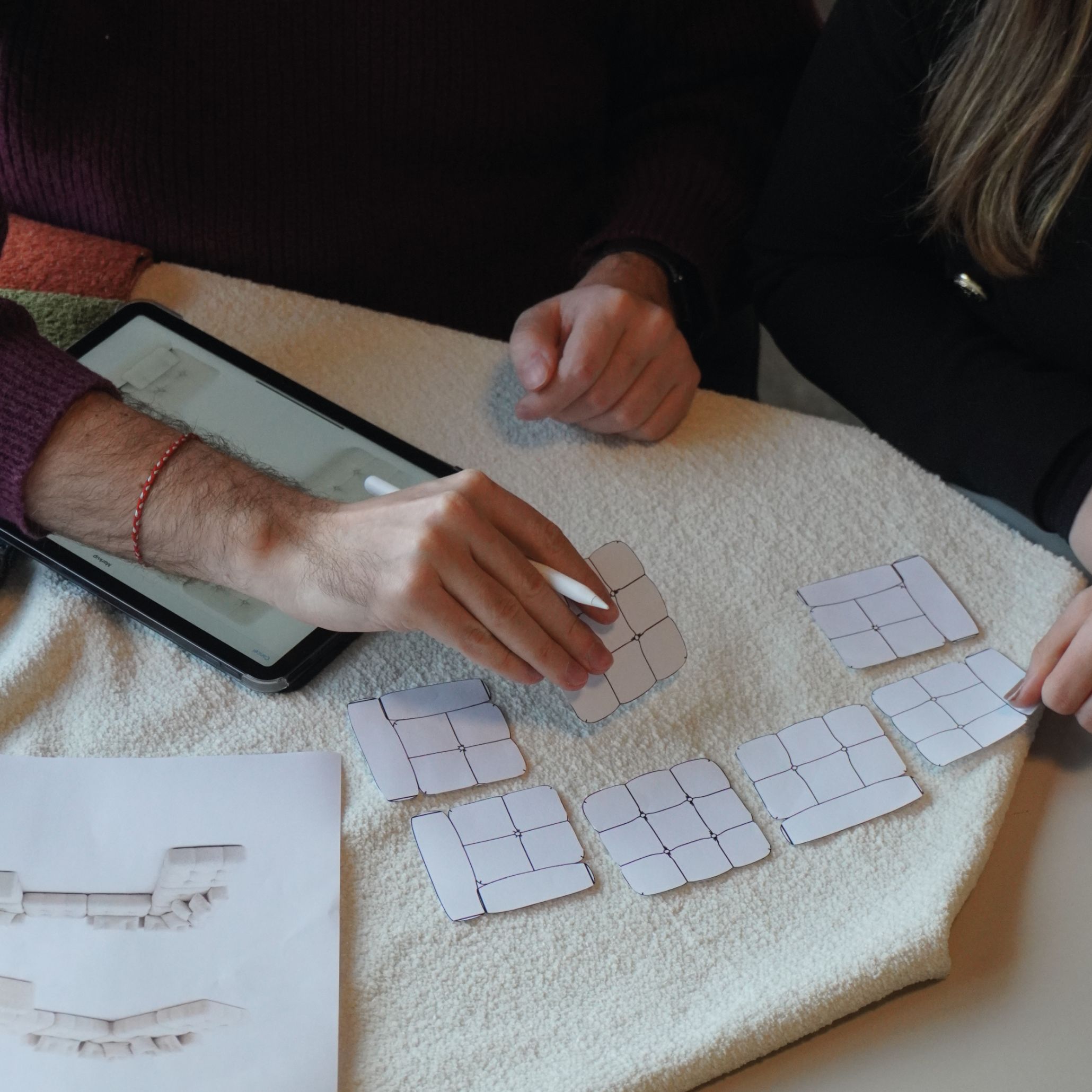
This is where creative and technical thinking become equally important. The creative perspective establishes the character of a piece, exploring its silhouette, proportions and relationship with the wider interior. The technical perspective helps translate that vision into a workable design, considering construction, material properties, finishes and, of course, functionality and comfort.
Neither exists in isolation. A beautiful form must work in practice, while a technical solution should support the original design intention. It is this dialogue that allows an initial concept to mature into furniture with a clear identity and a purpose within the space it occupies.
For professionals working across residential, hospitality and other interior projects, this relationship offers an important advantage: the opportunity to consider aesthetics and practical requirements together, from the earliest stages of design.
The Material Comes First
Materiality is not simply about choosing a surface or colour but rather about understanding the character of a material and how it influences the way a piece is experienced.
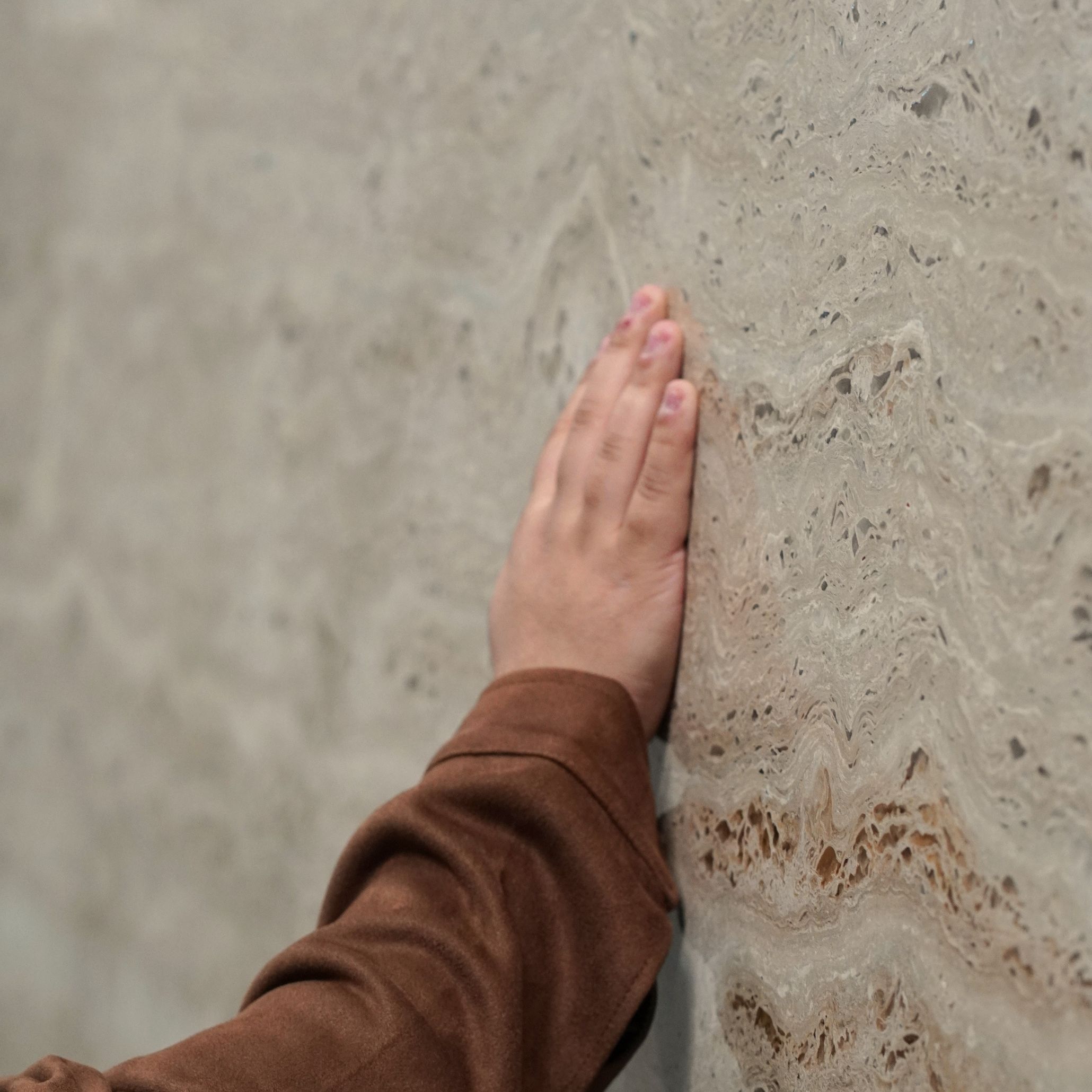
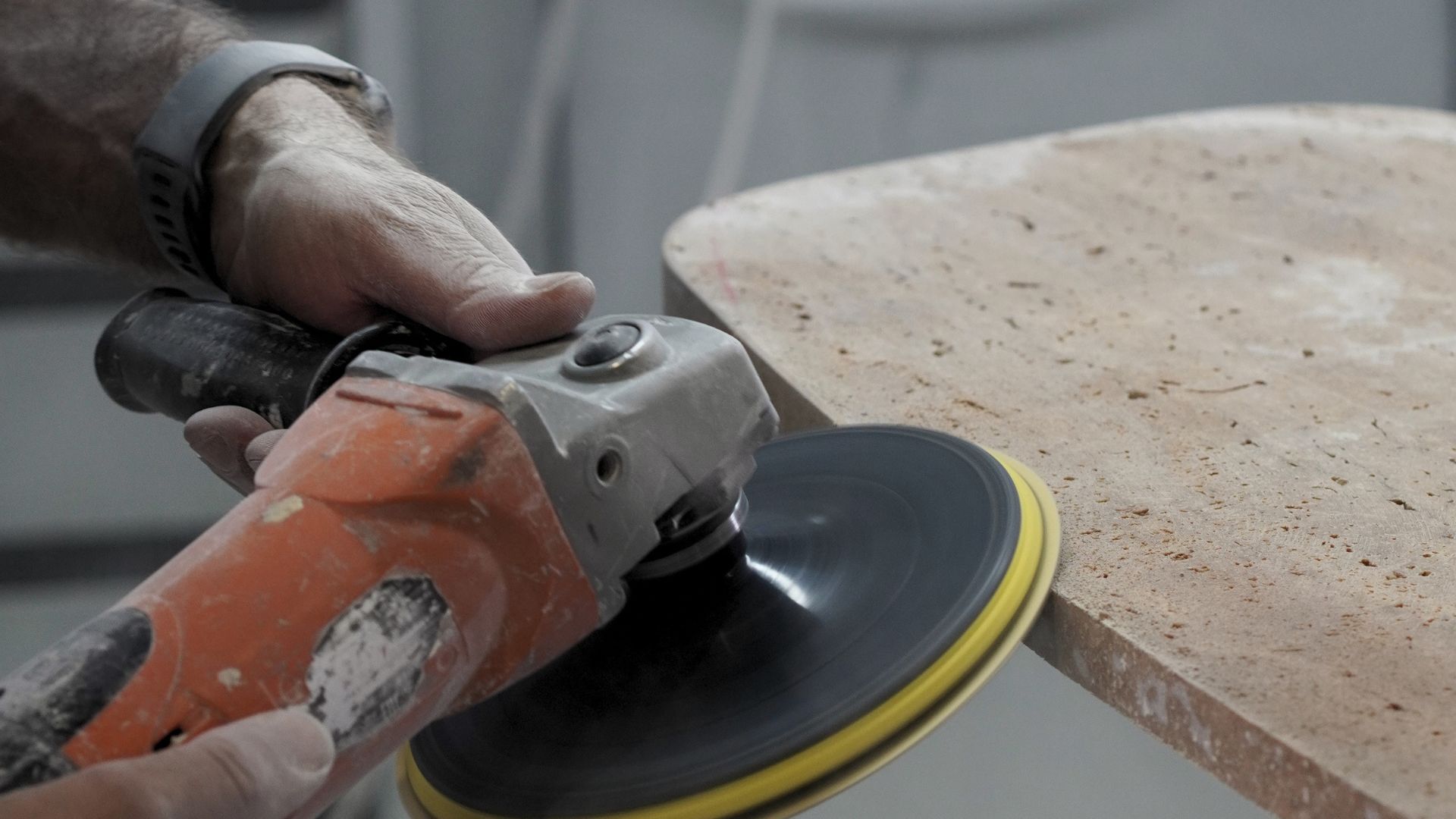
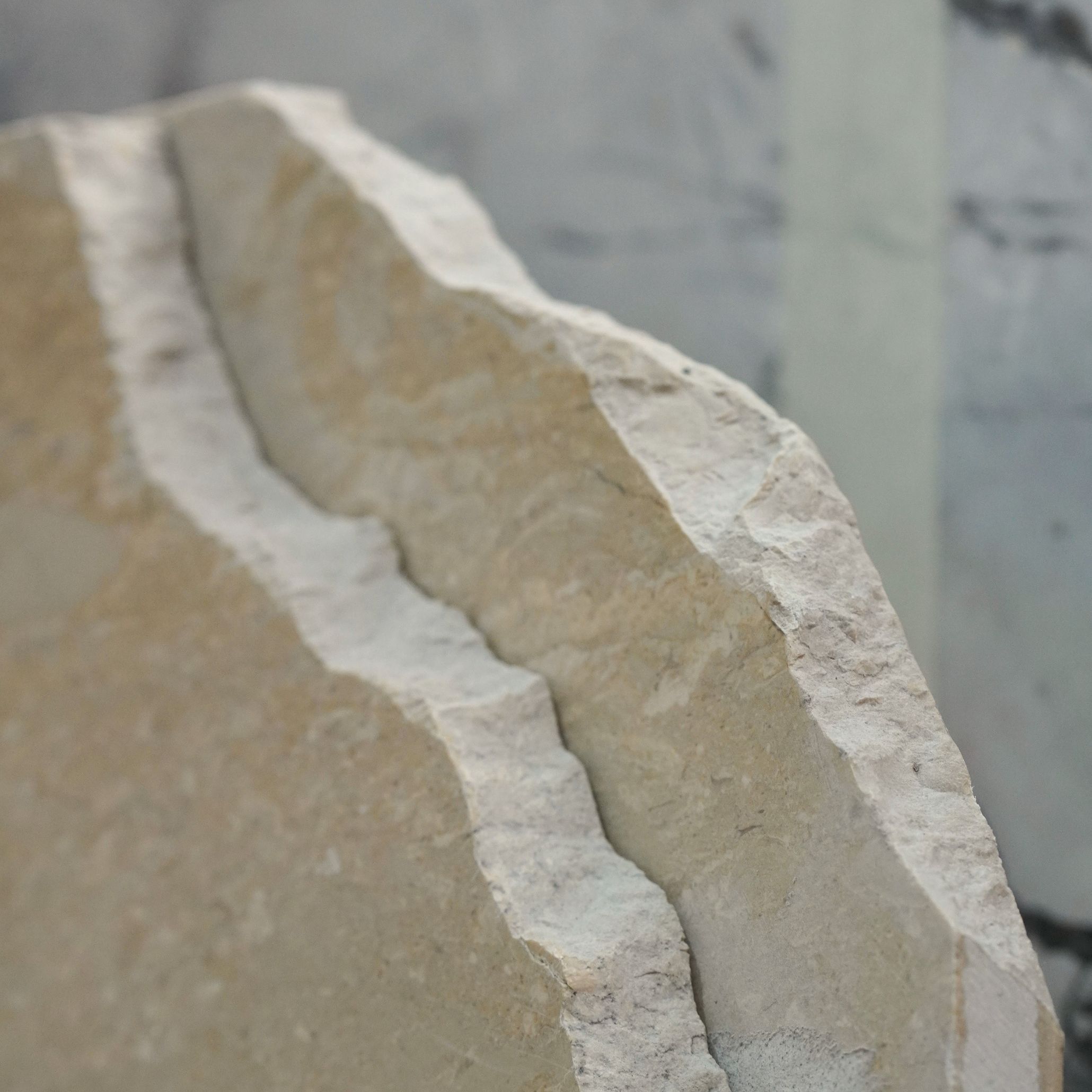
Wood, for example, brings warmth and individuality through its grain, tone and natural variations. Stone introduces a different visual and tactile quality, with patterns and textures that make each surface distinctive. Metals can add definition and contrast, while upholstery influences both the appearance of a piece and the comfort it offers.
At Stylish Club, exploring the relationship between materials, forms and finishes creates opportunities to develop furniture with different personalities while maintaining a considered design language. A change in wood tone, a contrasting base or an elegant selected upholstery fabric can transform the character of a piece without losing the integrity of its original design.
One clear example of this, can be the way that the upholstery chosen for the Margem Armchair, in the recent project Living Architecture, made the whole difference in the space it was placed on.
This attention to materiality also encourages a more thoughtful approach to interiors. Rather than treating every object as an isolated element, designers can consider how textures complement one another, how finishes respond to natural light and how different materials create balance throughout a room.
The result is a more cohesive environment, where visual appeal and the sensory experience of a space work together.
From the First Sketch to the Finished Piece
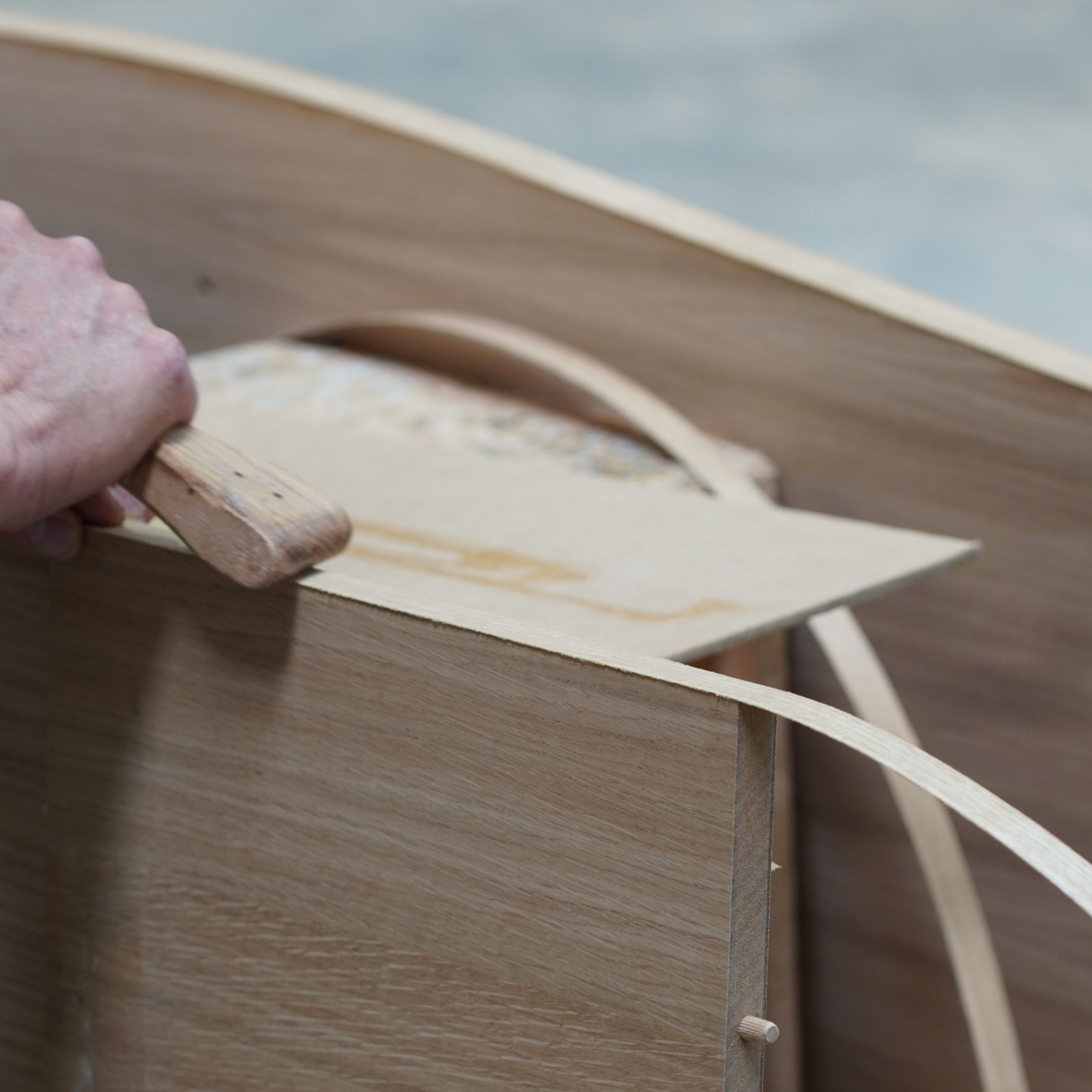
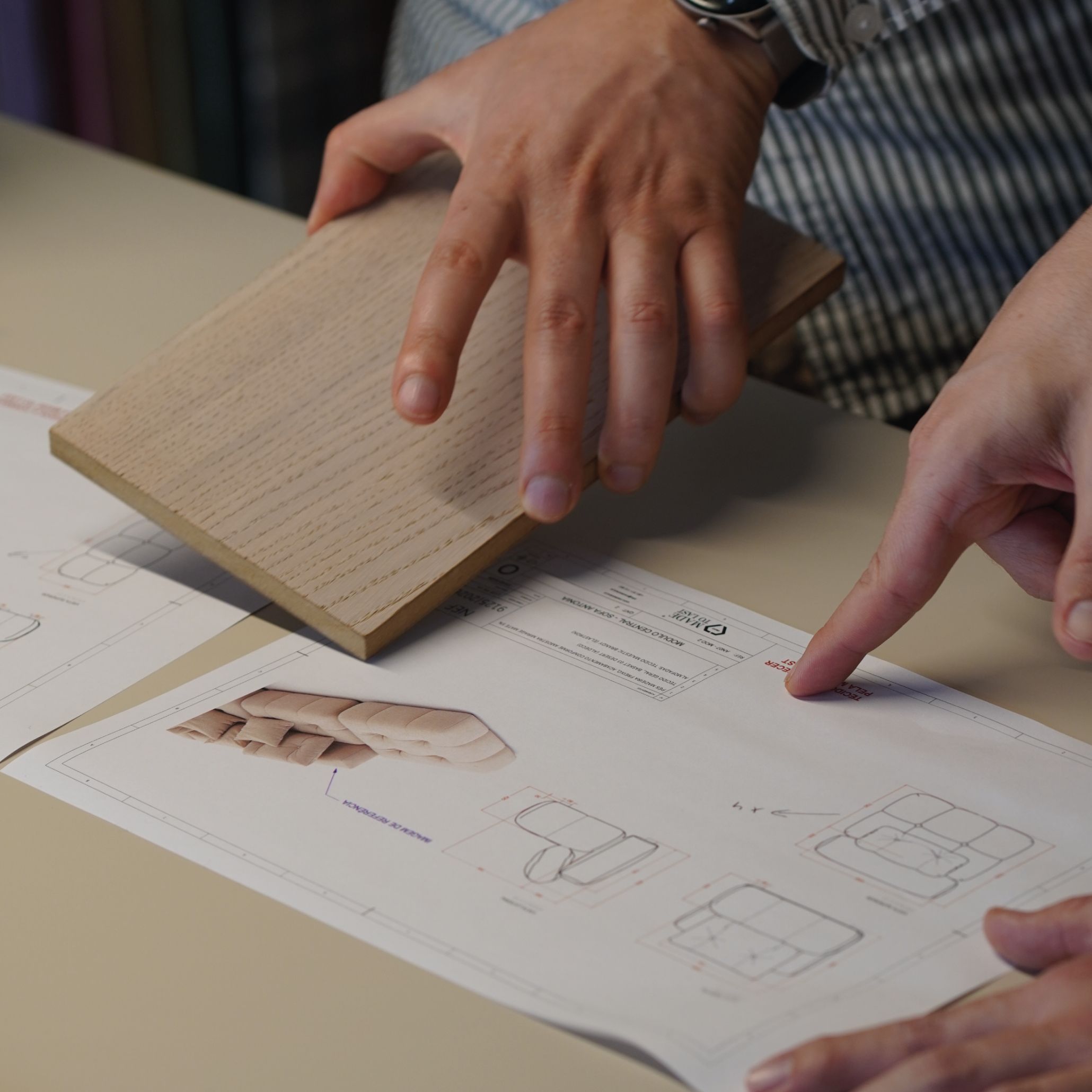
Between an initial concept and a finished product lies a series of decisions that shape the final result. Proportions must feel balanced, materials must suit the intended application, and details must support both the design and its use.
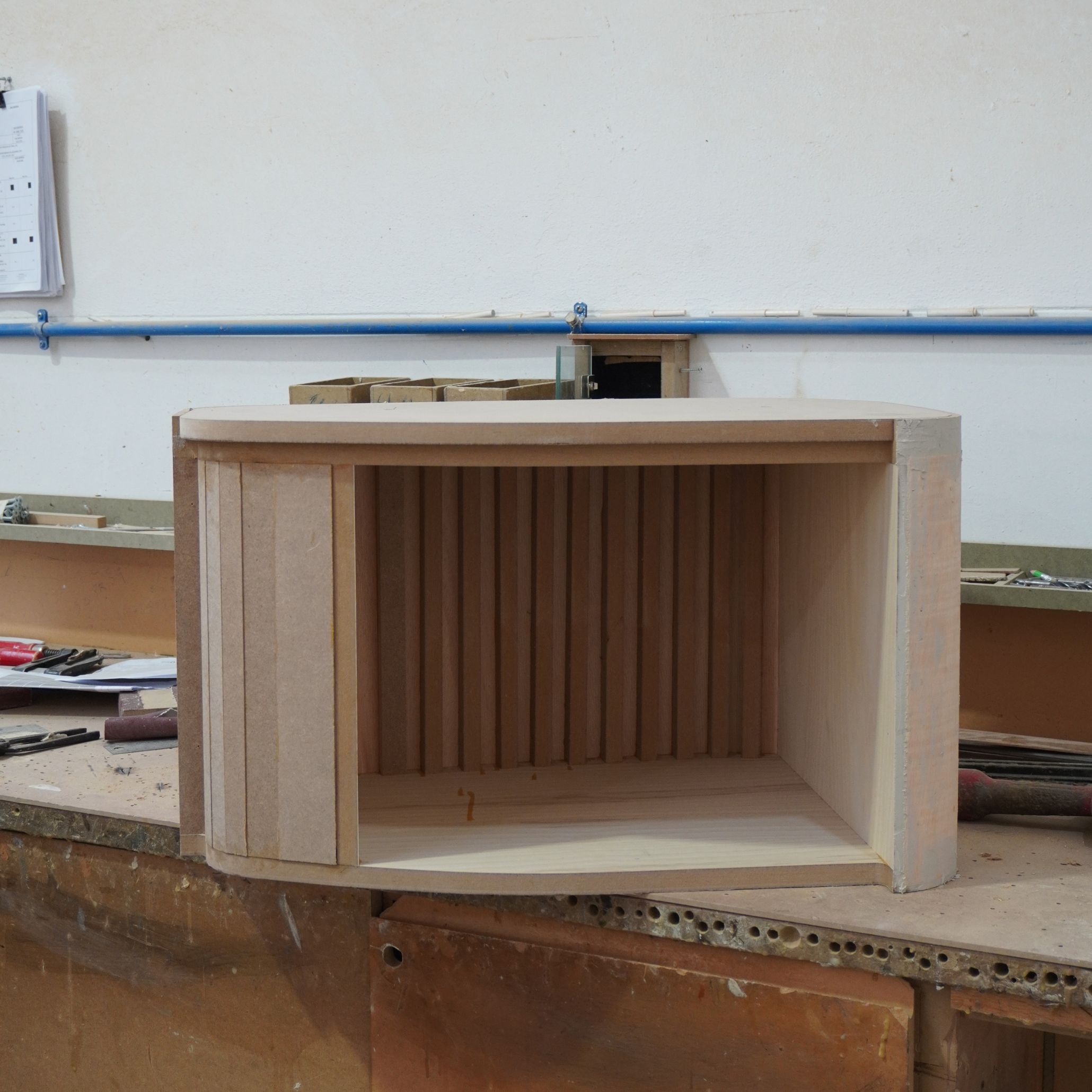
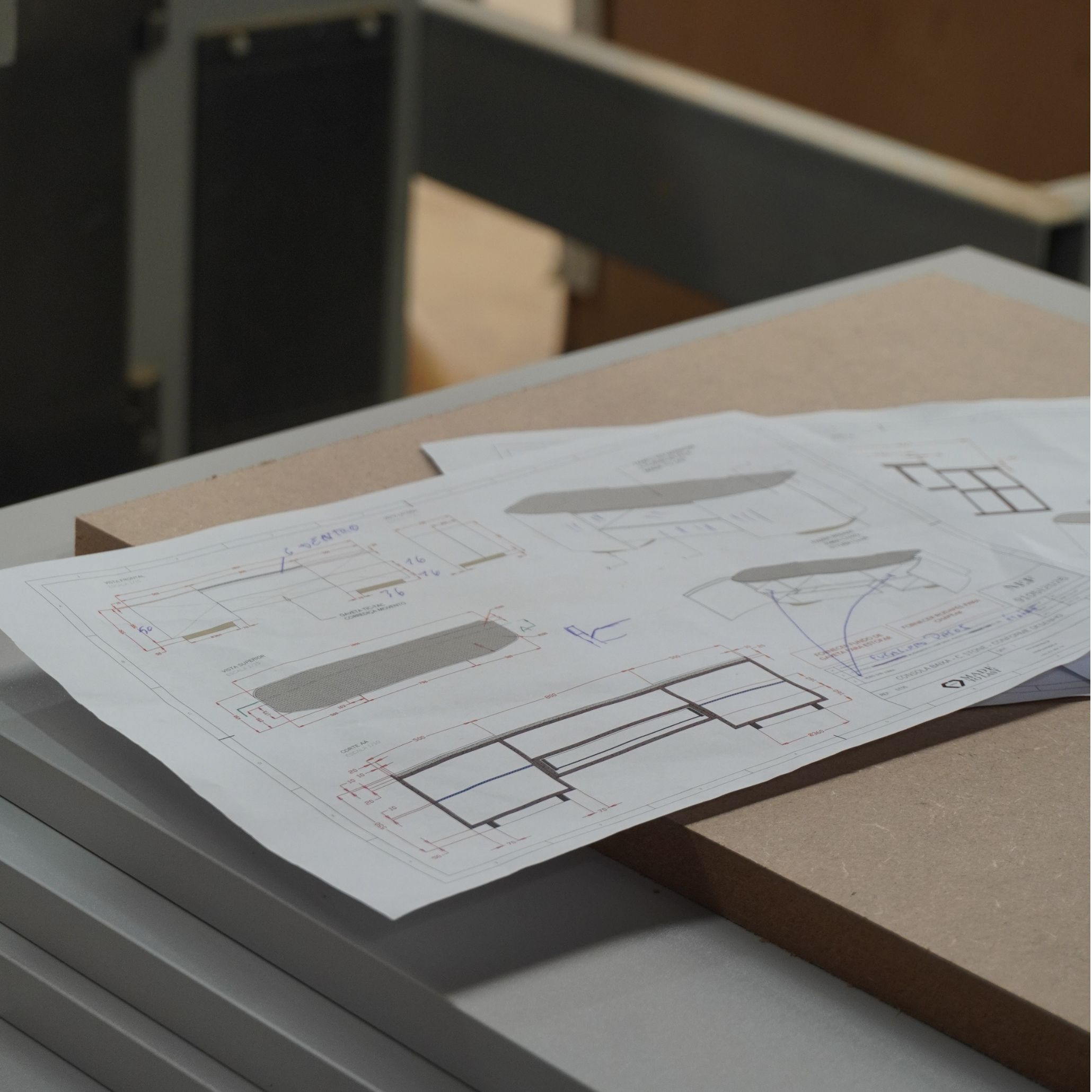
The creative and technical stages are therefore closely connected. A curve that appears simple in a drawing may require careful consideration during development. A particular finish may influence how a form is perceived. The relationship between different components can determine whether a piece feels visually light, grounded or substantial.
For Stylish Club, this interplay is central to the idea of crafting comfort through materiality. That’s because we believe that comfort is not limited to softness or upholstery but it can also be found in the proportions of a chair, the visual calm of a night table or the way a piece sits naturally within an interior. The aim is not to add unnecessary detail, but to understand which details matter and how each decision contributes to the whole.
For interior designers and architects, appreciating this process also provides a clearer understanding of the thinking behind a product. It helps them select furniture not only for its appearance, but for the qualities that make it suitable for a particular space.
Furniture with Character: Exploring Stylish Club Designs
The character of a design becomes easier to understand when seen through the furniture itself. Stylish Club’s collections offer different ways to explore the relationship between form, material and everyday living.
The Stone Collection, for instance, explores the visual dialogue between stone and wood. The contrast between the natural presence of a stone surface and the warmth of a wooden base, like in the Night Tables from the collection, creates a balance of textures, making the collection relevant to interiors that favour forms and material contrast.
The His Armchair offers another perspective on the role of furniture within a space. An armchair can contribute to the atmosphere of a room as much as it serves a practical purpose, creating a place to pause while helping establish the visual rhythm of a seating arrangement.
Meanwhile, the Foz Console portrays how a furniture piece can contribute to the transition between spaces. Consoles can provide a functional surface while introducing material, proportion and character to entrance halls, corridors and living areas.
These examples demonstrate different design possibilities that can fit all sorts of different aesthetics. For professionals, this variety creates opportunities to select pieces that respond to the architectural language, palette and intended atmosphere of each project.
Versatility That Supports Interior Design Projects
No two interiors have exactly the same requirements. A private residence, like the Imperfection of Matter, may call for a particular combination of textures and finishes, while a hospitality project, like the Authentic Restaurant, may need a consistent design language across several spaces.
Working with a furniture partner that understands the relationship between design and material selection can make these decisions easier to navigate.
For interior designers, the ability to explore different finishes, colours and material combinations can help bring a concept closer to its intended expression. Instead of treating furniture as a final decorative layer, designers can incorporate it into the project’s material palette from the outset.
For architects working on turnkey projects, this joined-up approach can also be valuable. Furniture decisions need to sit comfortably alongside the architectural concept, spatial planning and the wider interior specification. Having access to a panoply of designs and material options, and a partner you can rely on, can support a more coherent result across the different elements of a project.
The benefit is not simply having more choices. It is having the opportunity to make more informed choices, selecting furniture that responds to the specific needs of a space while contributing to a consistent overall vision.
This is particularly relevant when the objective is to create interiors that feel individual rather than assembled from unrelated elements.
Comfort Through Materiality: Designing Beyond Appearance
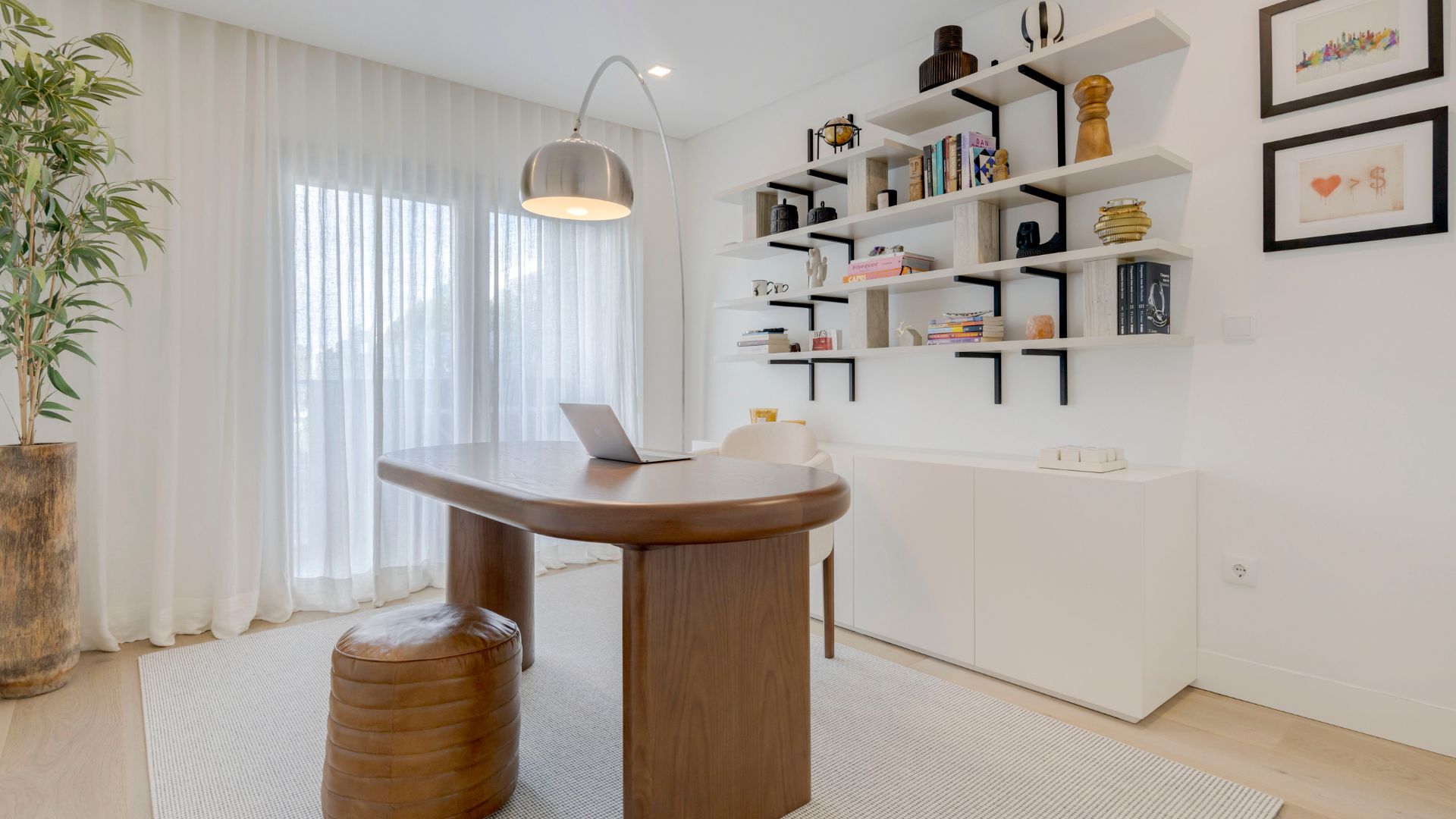
Ultimately, the relationship between furniture and its surroundings is what gives materiality its significance. A natural finish can soften an architectural interior. A keenly proportioned table can bring visual balance to a room. Upholstery, texture and form can influence how welcoming a space feels and how people interact with it.
These qualities are experienced together, not separately. The material, the shape, the construction and the context all contribute to the final impression.
At Stylish Club, Comfort Through Materiality is an invitation to look beyond the surface of furniture and consider the decisions that shape its character. It is about recognising the value of creative exploration, technical knowledge and thoughtful material selection in developing pieces that respond to the needs of contemporary interiors.
For architects and interior designers, this perspective opens up a more considered way of specifying furniture: one that places equal importance on appearance, function and the experience of the finished space.
Because the most meaningful interiors are not defined by individual objects alone. They emerge when the elements feel connected, every material has a purpose and comfort becomes an integral part of the design.