Alfresco the Italian Way: Designing Elegant Indoor/Outdoor Living
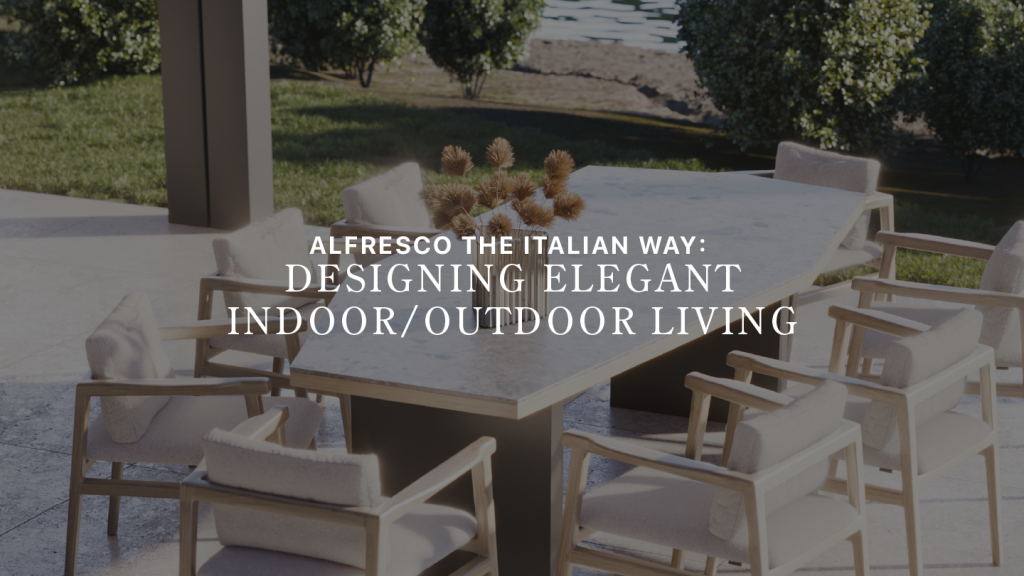
As summer approaches, so does the desire to live differently. To slow down, to open the doors of the home and let the season in. Few cultures have understood this impulse as deeply, or expressed it as beautifully, as the Italians. For them, Alfresco is not simply a setting for a meal or an afternoon. It is a way of inhabiting the world, a considered relationship between the indoors and outdoors that transforms even the most ordinary moments into something worth savouring.
This article explores what it means to design an alfresco space in the true Italian way: from the philosophy that gave it shape, to the materials, light, furniture and spatial logic that bring it to life. Whether you are designing an outdoor living area from the ground up or reconsidering what already exists, these principles offer a foundation for creating something that endures well beyond a single summer.
-
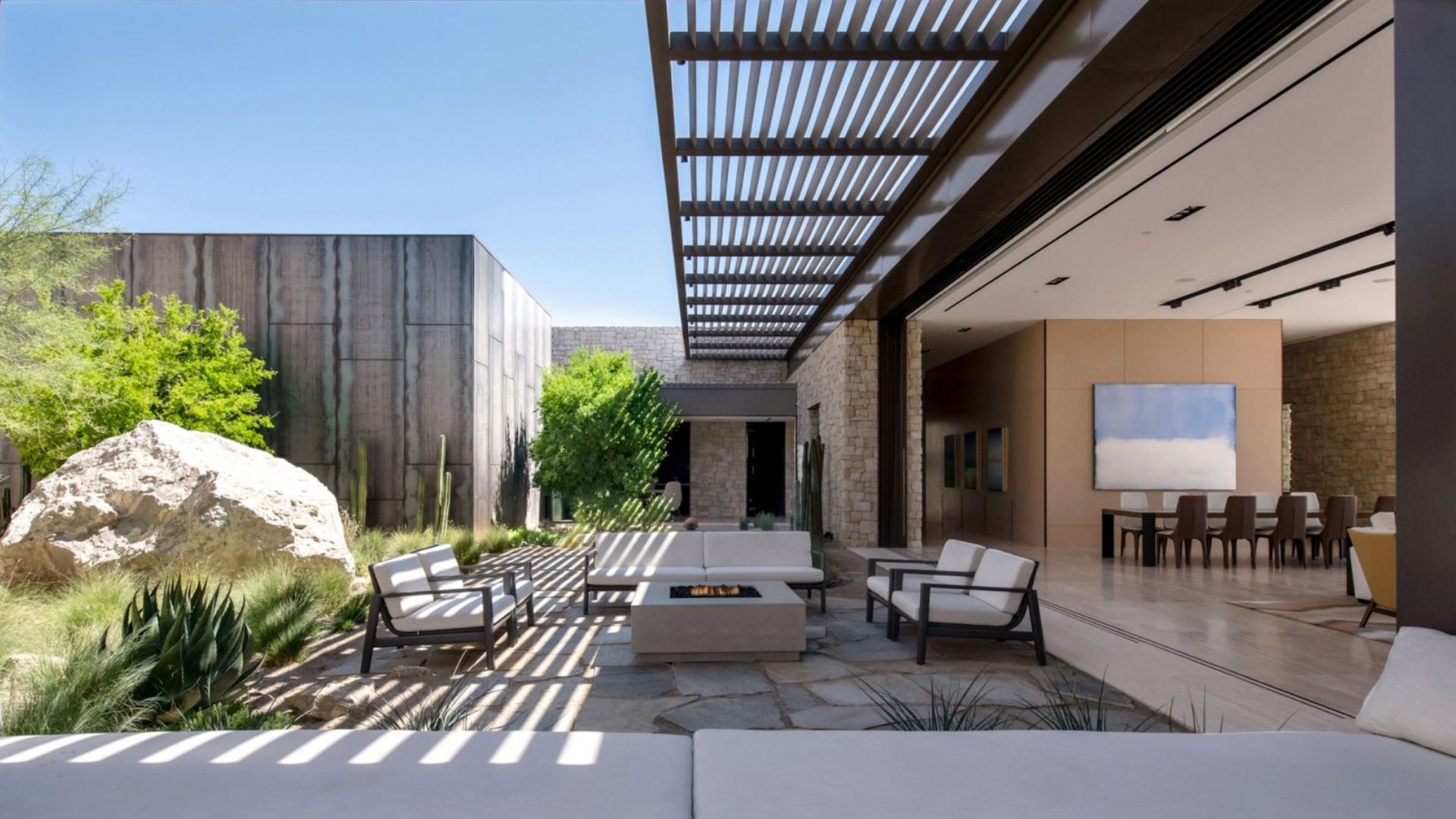
- Indoor-Outdoor Flow in Modern Home Design | Source: Pinterest
What Does Alfresco Mean ?
The word alfresco originates from the Italian expression al fresco, which translates to “in the fresh air”. While the term is often associated with outdoor meals, its meaning within architecture and design extends far beyond alfresco dining.
At its essence, alfresco describes a way of living that encourages a continuous relationship with nature. Rather than treating the exterior as a separate destination, alfresco design invites the outdoors to become part of the space. It is an approach that softens the boundaries between the home and the landscape, allowing both to coexist within a shared experience.
In residential architecture, an alfresco area is typically conceived as a covered extension of the home. It may take the form of a veranda, a loggia or a sheltered patio that functions much like an outdoor living room. Protected from the elements while remaining connected to the surrounding environment, these spaces encourage a lifestyle centred around comfort and connection.
This philosophy is closely related to Mediterranean design, where architecture responds naturally to climate and landscape. The same sensibility can be seen in an elegant alfresco dining area, where furniture, materials and natural surroundings work together to create an inviting atmosphere.
-
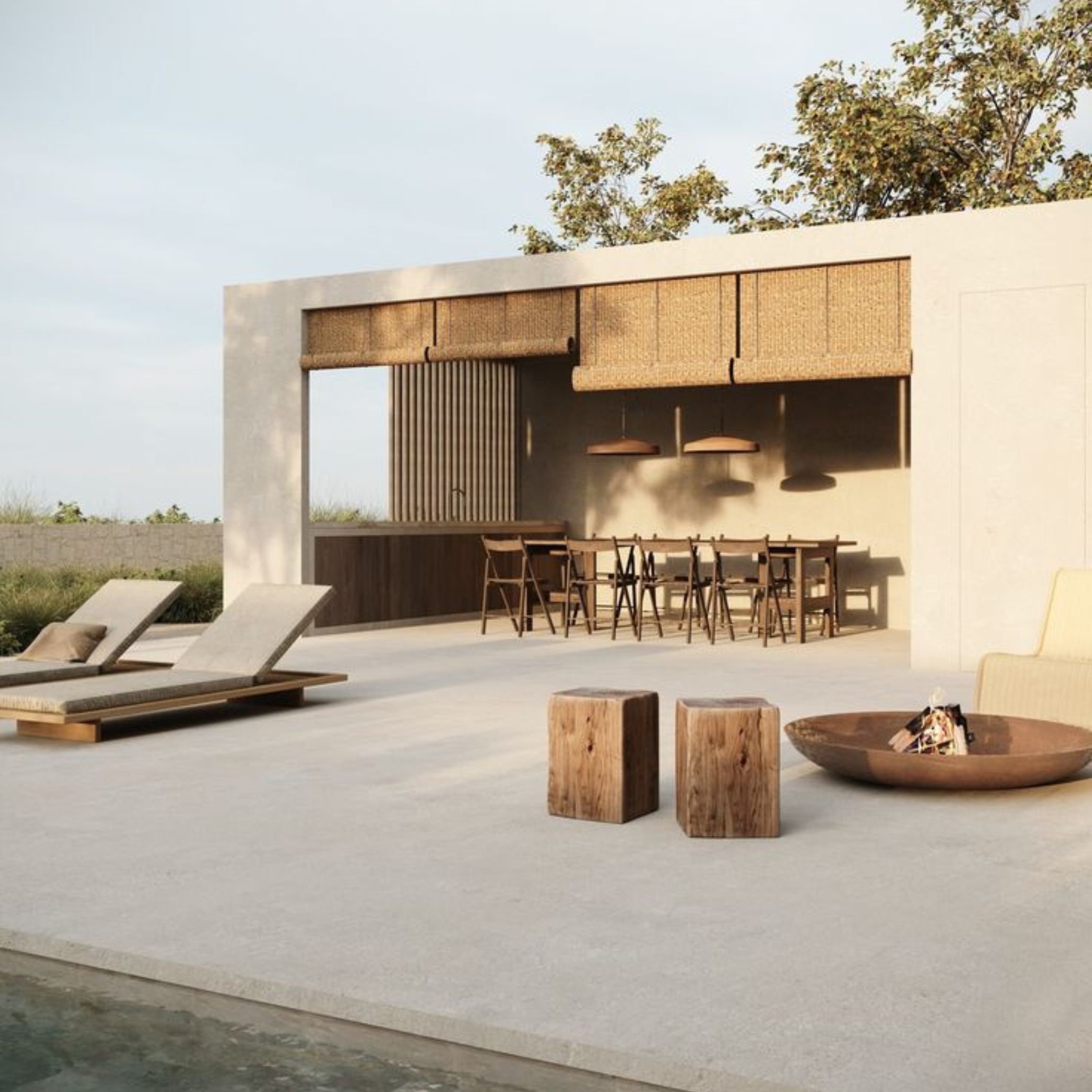
- Alfresco Living Area with Dining and Pool Terrace | Source: Pinterest
-
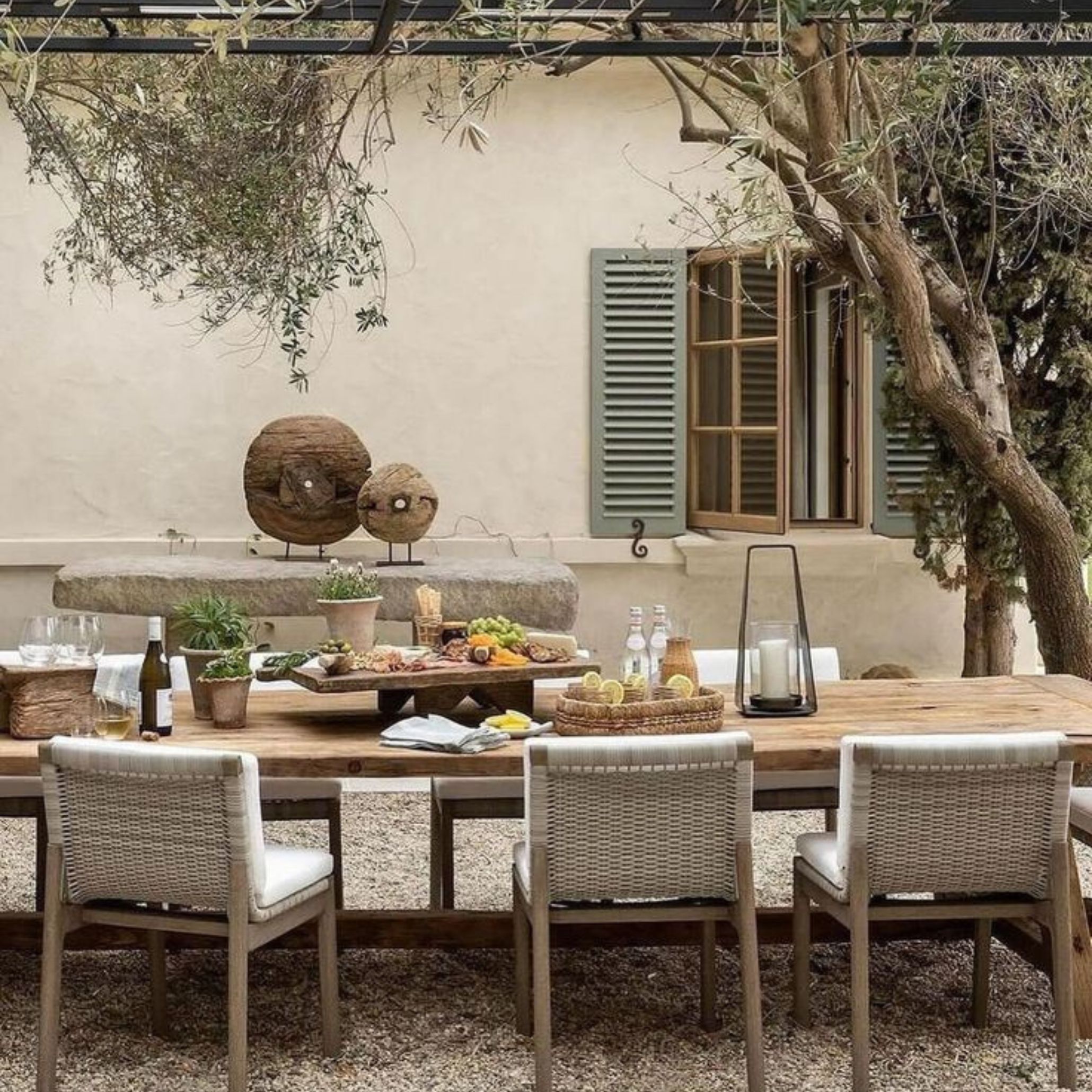
- Alfresco Dining Table Setup in a Mediterranean Courtyard | Source: Pinterest
The Italian Philosophy Behind Seamless Indoor–Outdoor Spaces
To understand alfresco, it is essential to understand the culture that inspired it.
For centuries, Italian architecture has embraced a close relationship between home and landscape. Traditional villas were designed around courtyards, shaded loggias and generous openings that connected interior rooms directly to gardens and terraces.
Within the Italian Way of living, the exterior is never treated as a separate space, it is viewed as a natural continuation of the home itself. The furniture, materials and atmosphere found indoors extend outward, creating continuity that encourages movement between both environments.
This approach is closely connected to the idea of dolce vita. Rather than referring to extravagance, it reflects a way of living that values simple pleasures, meaningful connections and time spent enjoying everyday moments. It is about slowing down, sharing meals and appreciating beautiful surroundings and embracing a lifestyle that feels relaxed and memorable. This philosophy naturally shapes the way spaces are used and experienced throughout the day. A meal may begin inside the dining room and continue beneath the evening sky, while sunlight filters through open doors, gradually transforming the atmosphere of the home. A comfortable seating area positioned between house and garden becomes a welcoming setting for conversations that linger
-
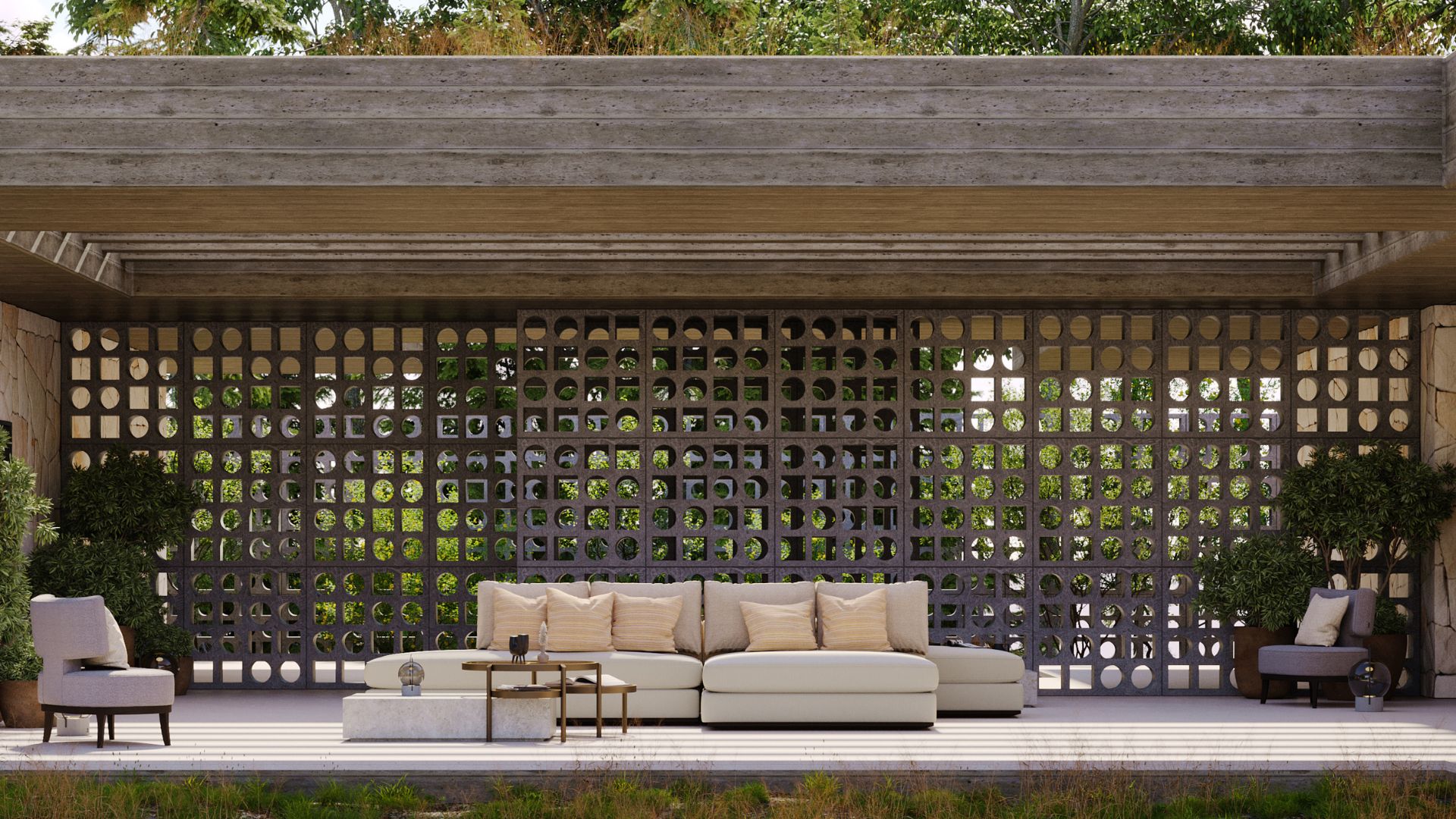
- Alfresco Lounge Area from Maison D’Hôtes
Nature plays an important role in this philosophy. Trees, water, natural stone and vegetation are not viewed as background elements but as active participants in the experience of the home. This connection explains why outdoor living continues to inspire contemporary architecture and interior design across the world.
How to create the perfect Alfresco Area?
As summer approaches, the desire to spend more time outdoors becomes almost instinctive. Long lunches, relaxed evenings and spontaneous gatherings encourage us to rethink how we use our homes. A thoughtfully designed alfresco area creates the ideal setting for these moments, bringing comfort and nature together effortlessly.
The beauty of alfresco design lies in its ability to create continuity between the interior and exterior. Every decision, from materials and furniture to lighting and layout, contributes to an environment that supports both relaxation and social occasions.
Choose Materials That Live in Both Worlds
Materials are what make an alfresco space feel genuinely connected. They establish visual continuity and create a dialogue between the interior and exterior, allowing one space to flow naturally into the next.
Treated woods introduce warmth and character while performing beautifully outdoors. Natural stone brings a sense of permanence, while ceramics offer versatility through their colours and textures. Metals such as bronze and iron add character and durability, developing even greater beauty over time.
One of the most effective principles of alfresco design is continuity. A stone floor that continues from the living room onto a covered terrace, or timber details that appear both indoors and outdoors, creating a visual harmony.
Within an alfresco area, materials become part of the experience itself. They respond to changing light, seasonal shifts and daily use, creating spaces that feel connected to their surroundings throughout the year.
-
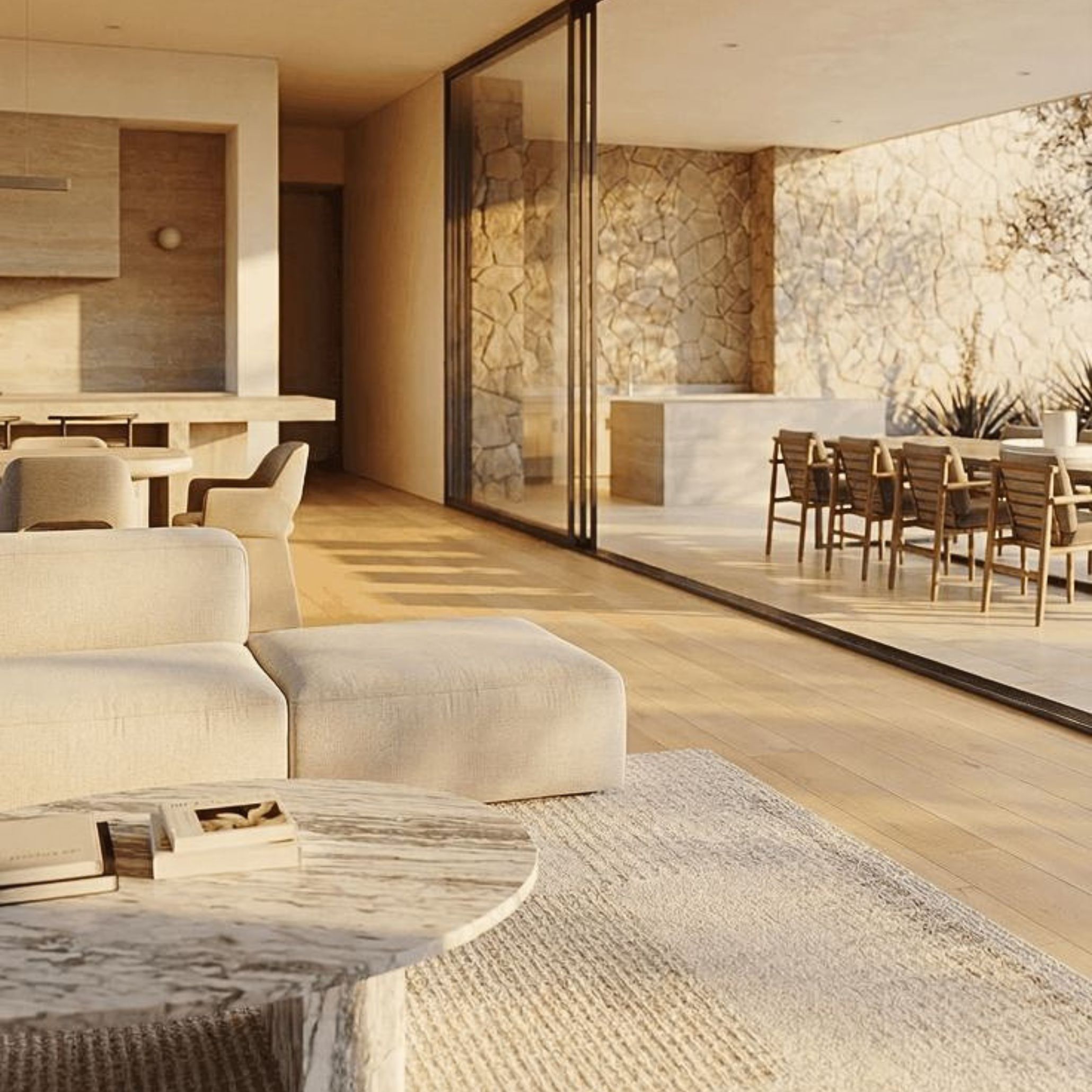
- Alfresco Indoor-Outdoor Flow with Sliding Glass | Source: Pinterest
-
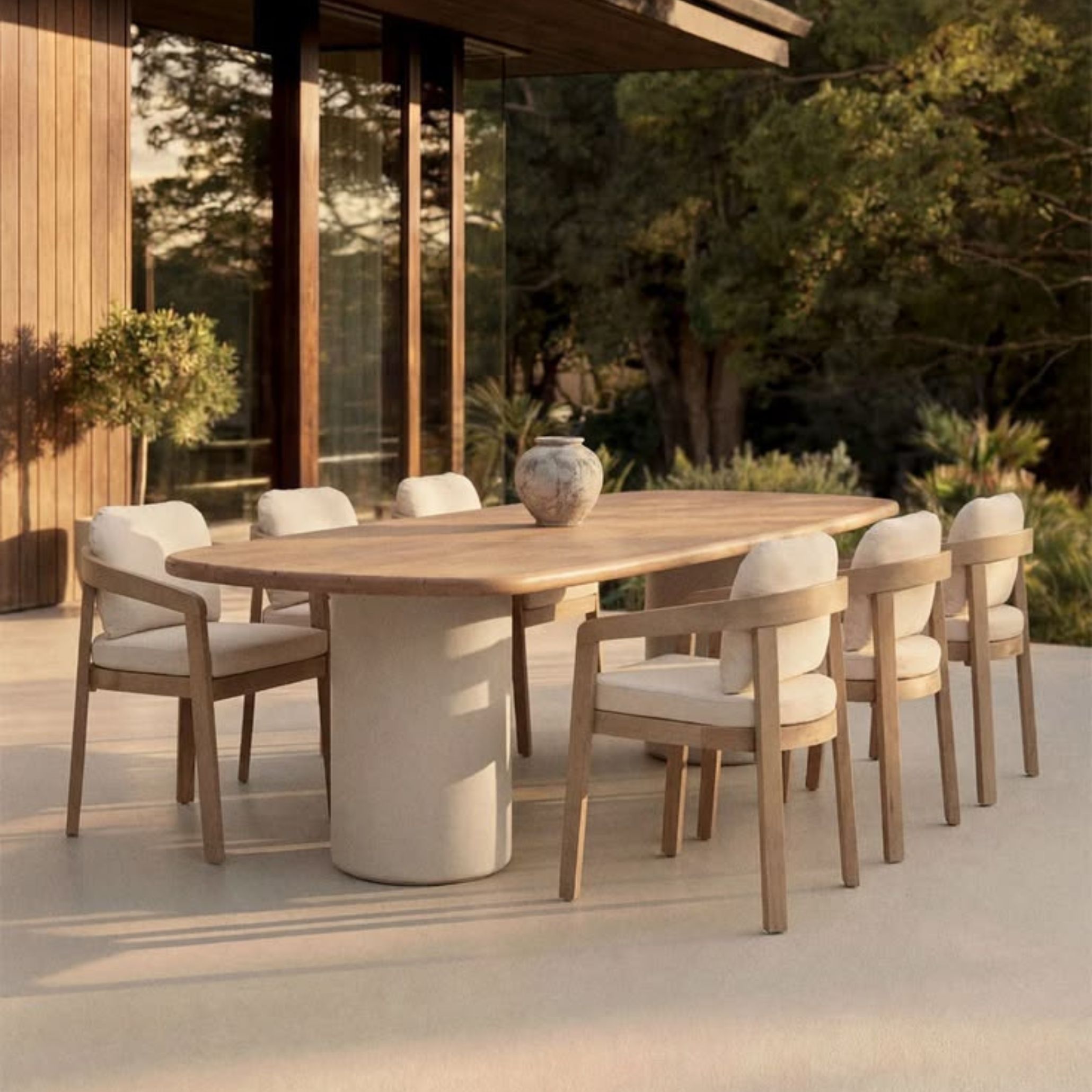
- Alfresco Dining Area | Source: Pinterest
Light & Atmosphere
Natural light is the first architect of any alfresco space. It arrives differently each hour, casting long shadows in the morning, flooding the terrace at noon, and settling into something golden and unhurried by late afternoon. A carefully orchestrated alfresco space does not fight this movement but works with it, placing shade where rest is needed and leaving openings where the light is most welcome. The space changes throughout the day without a single piece of furniture being moved, making the outdoor living so difficult to give up once you have experienced it.
After dark, it is artificial light that carries the atmosphere. The key is keeping it low, warm and close to the human scale. A lantern on a table, a string of soft lights overhead, a wall sconce at the edge of the covered area, these create the kind of light that makes people lean in. It extends the alfresco moment past sunset and into the night, transforming a space that was open by day into something intimate by evening.
-
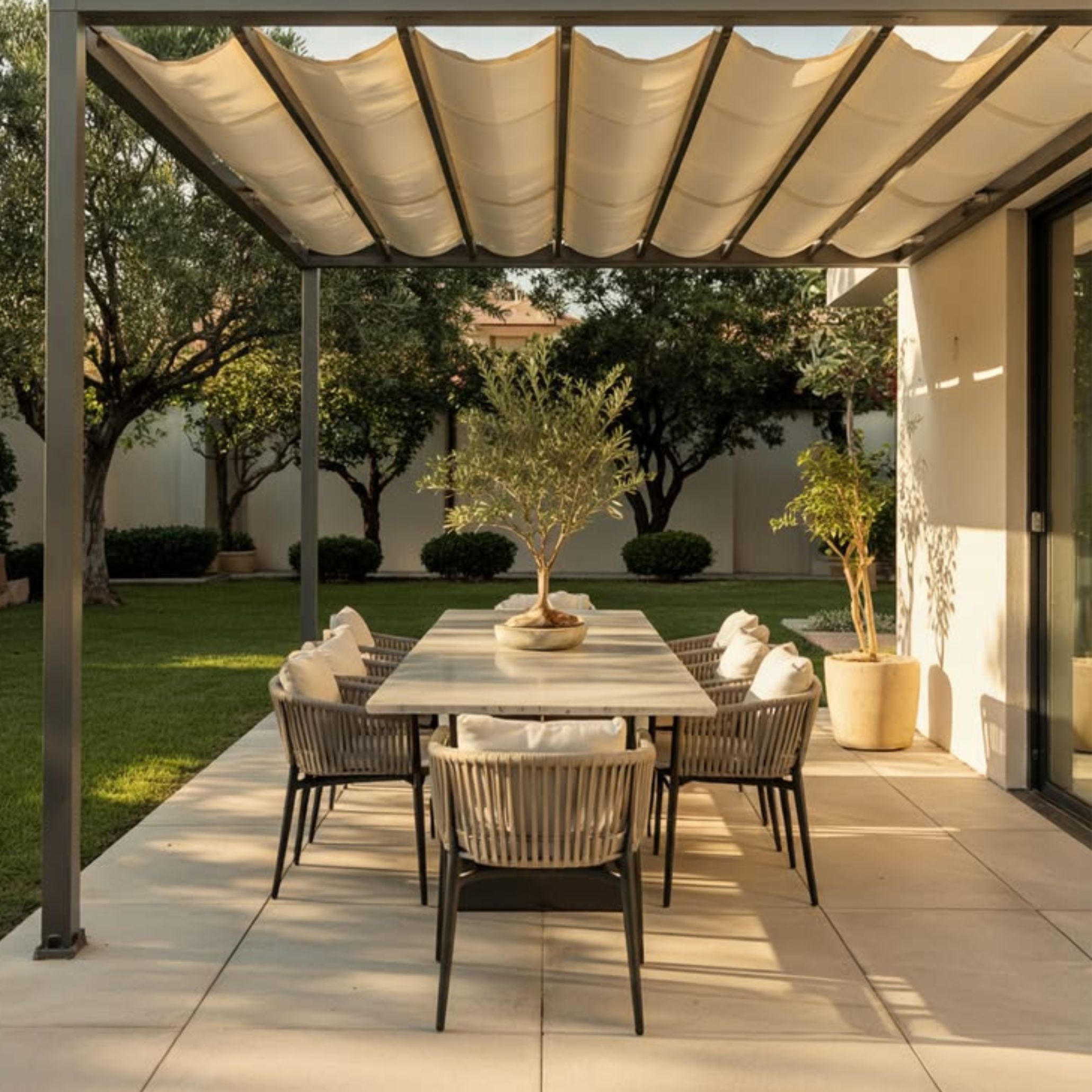
- Alfresco Dining Area Under a Pergola | Source: Pinterest
-
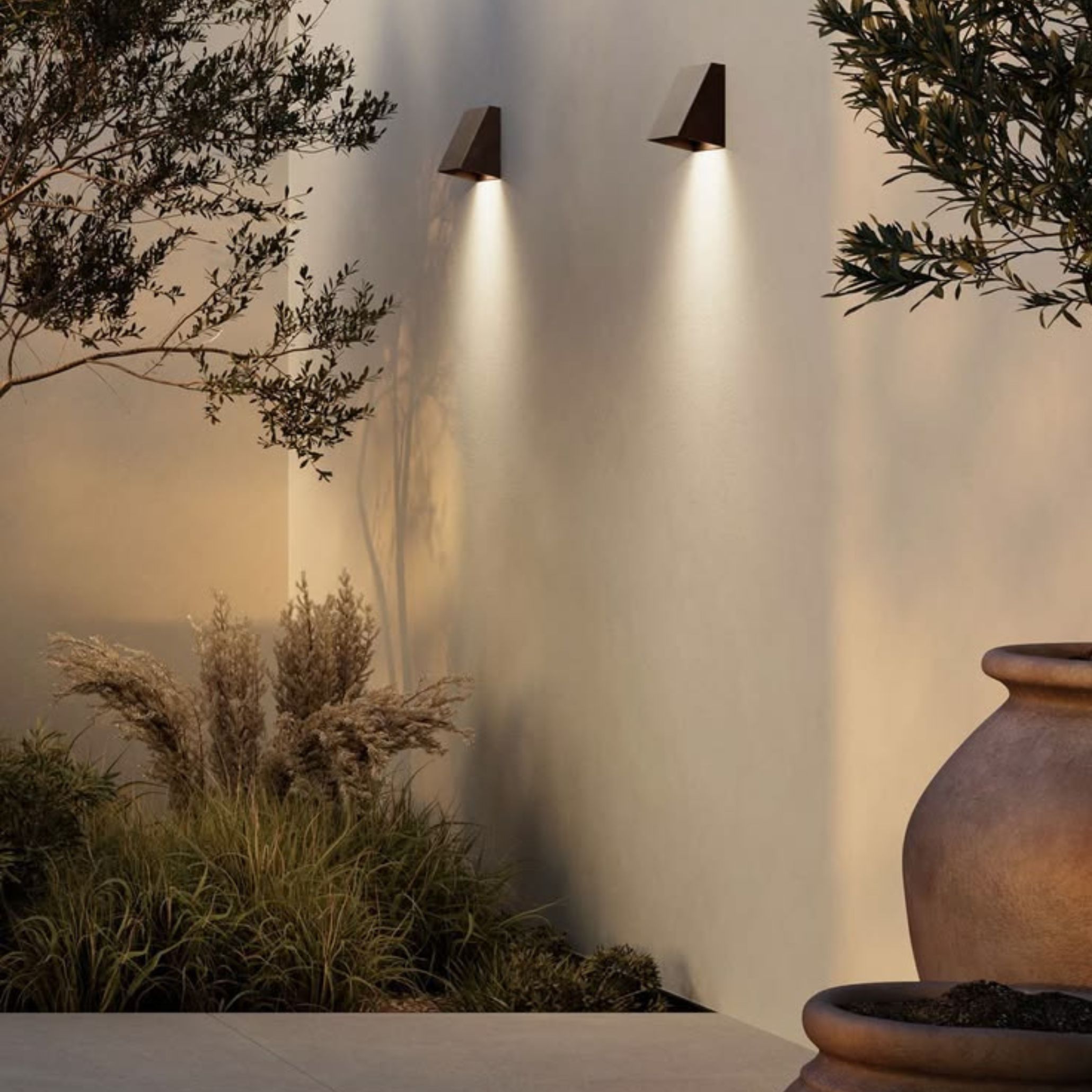
- Outdoor Wall Sconces with Warm Lighting in Alfresco | Source: Pinterest
Atmosphere, finally, is what all of these elements build toward. And nothing completes it quite like fire. A fire pit at the centre of an alfresco area transforms the evening entirely, drawing people inward, slowing conversation, making the darkness around feel like part of the experience. Arranged around it on a His Sofa, with its generous, enveloping form, the alfresco area becomes a place of genuine warmth in every sense.
-
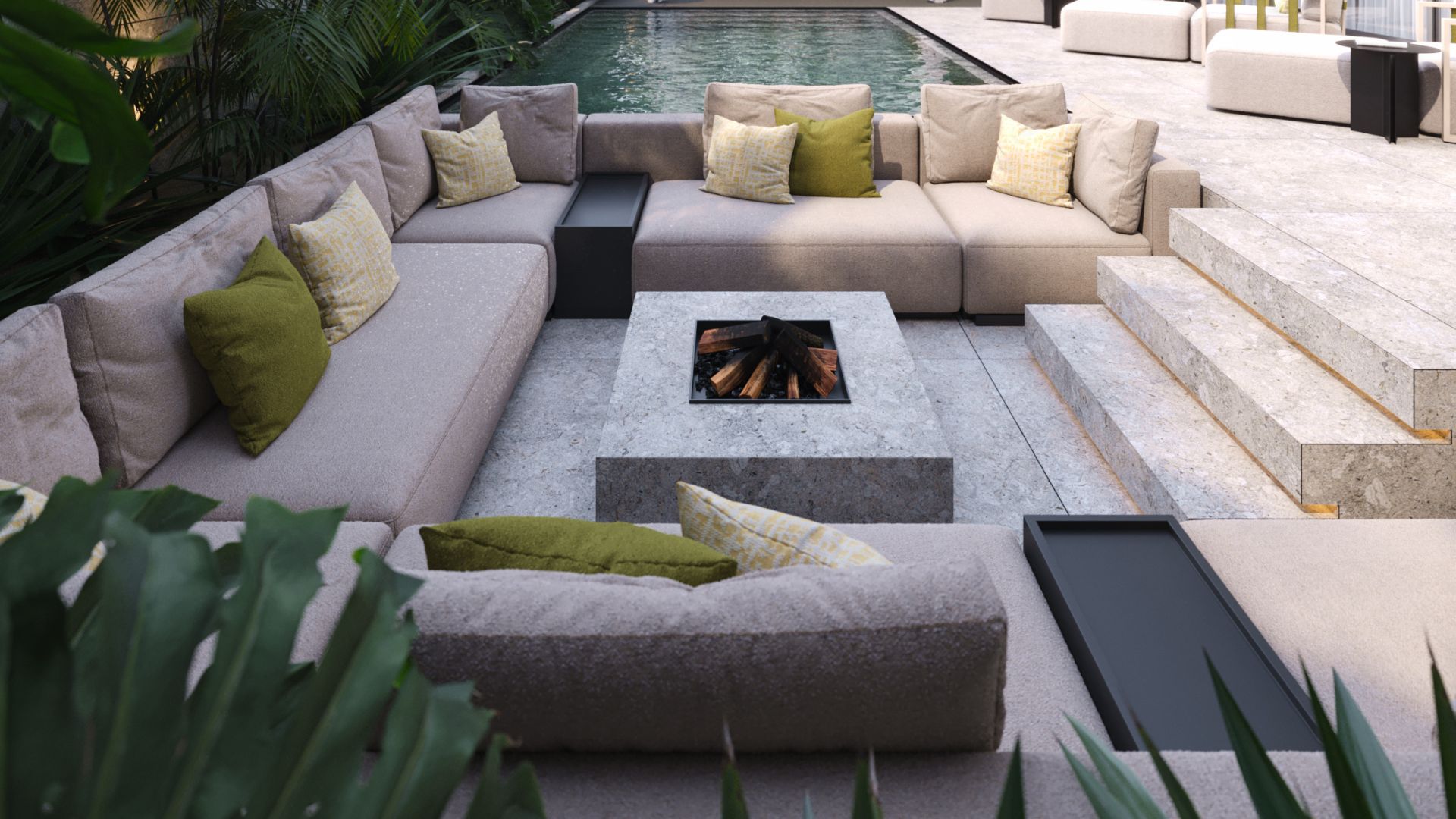
- Alfresco Poolside Lounge with Fire Pit and Modular His Sofa
The Art of the Indoor–Outdoor Flow
One of the defining characteristics of the Italian Way is the belief that life should not be confined by walls. This philosophy can be seen in homes where furniture, architecture and landscape interact freely, encouraging movement between interior and exterior spaces throughout the day.
Visual continuity plays an essential role in achieving this effect. A consistent colour palette, flooring that extends beyond the threshold and furniture pieces that share a common design language help create a unified environment.
Furniture often becomes the element that physically connects both worlds. A lounge chair positioned beside an open doorway or a seating arrangement that stretches from indoors towards a terrace creates a subtle invitation to explore the entire environment rather than a single room.
The concept becomes especially powerful within alfresco dining spaces. A dining table positioned between shelter and open sky captures the essence of outdoor living, allowing guests to experience both comfort and nature simultaneously. It is a simple gesture that reflects the enduring appeal of the Italian Way.
-
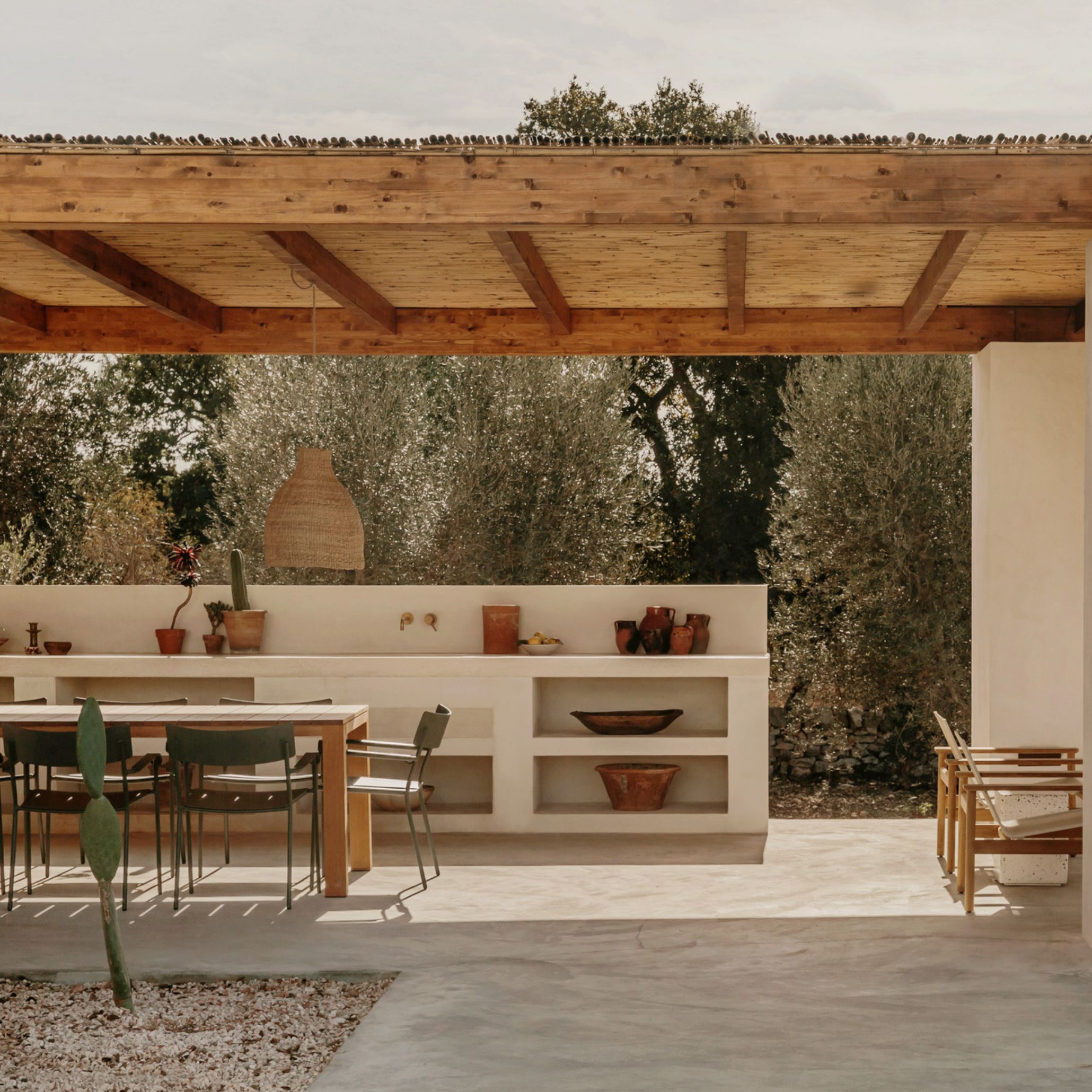
- Alfresco Kitchen and Dining Area | Source: Pinterest
-
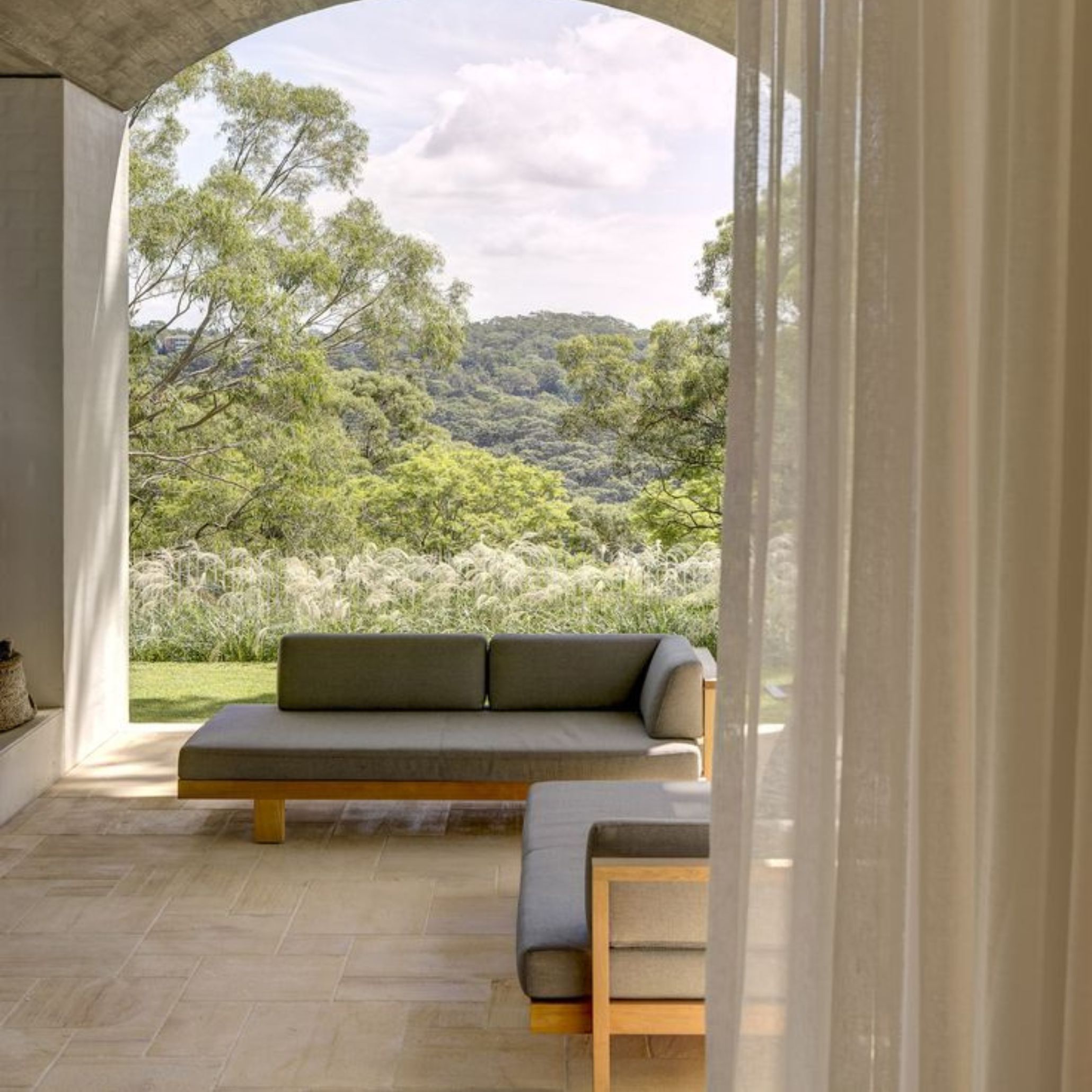
- Indoor-Outdoor Flow Through Arched Opening | Source: Pinterest
Furniture Pieces Behind the Alfresco Aesthetic
Selecting furniture for an alfresco area requires a thoughtful balance between aesthetics and comfort. The most successful pieces feel at home within the landscape while maintaining the sophistication expected of contemporary interiors. They contribute to the atmosphere while allowing nature to remain present.
For a alfresco dining with character, the Escarpa Dining Table paired with the Toro Chair creates an inviting composition. The architectural presence of the table complements the sculptural silhouette of the chairs, resulting in a setting that feels equally suited to long lunches and evening gatherings. Together, they capture the relaxed elegance associated with the Italian Way.
-
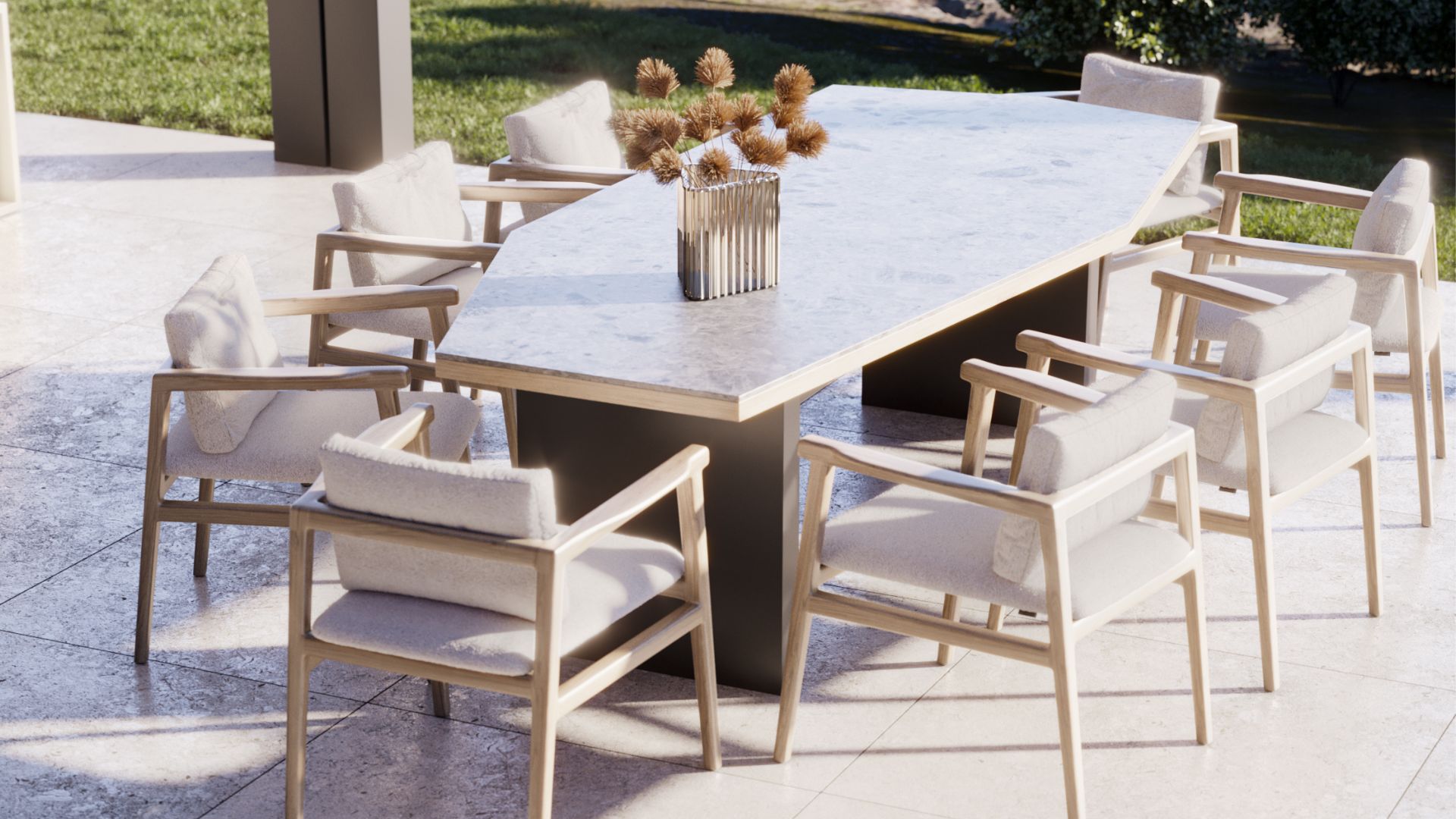
- Alfresco Dining with Escarpa Dining Table and Toro Chair
For spaces that encourage movement between indoors and outdoors, the Toro Dining Table and Toro II Chair offer a natural solution. Their design language feels equally comfortable on a covered terrace, within a dining room or positioned between the two. This versatility supports the fluid nature of contemporary outdoor living while maintaining visual consistency throughout the home.
-
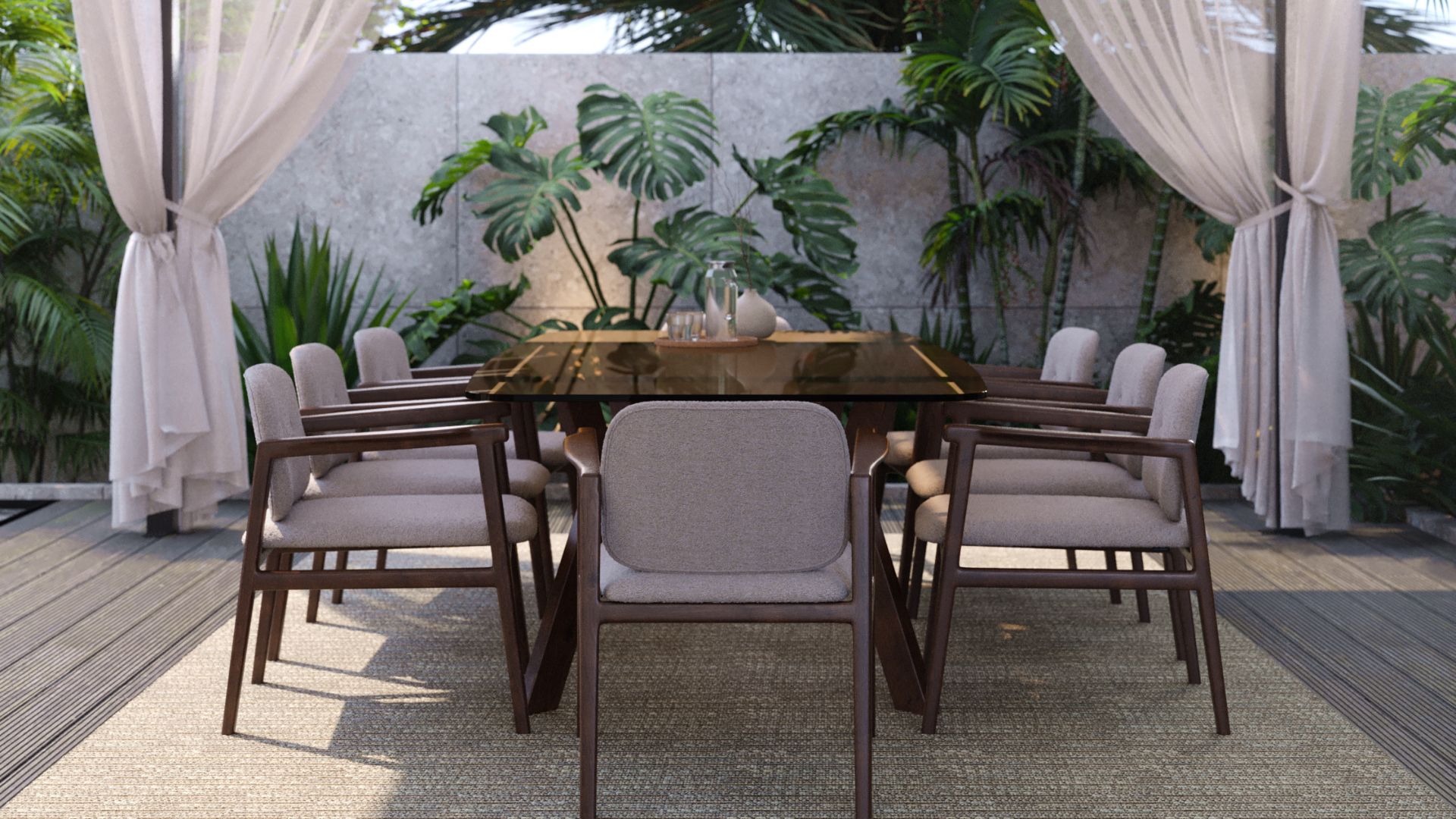
- Alfresco Dining with Toro Dining Table and Toro II Chair
An alfresco area conceived in this spirit, with materials that cary meaning, light that shifts with the hours, furniture that belongs entirely to its setting and a flow that makes the inside and outside feel like a single place, becomes something that outlasts a single season. It changes with the light and with the year. It holds gatherings and quiet mornings with equal ease. Designed with the care the Italians have always brought to the spaces they inhabit, it becomes, in time, one of the most cherished parts of the home.