Designing Wellness Spaces: Interiors That Support Purpose and Presence
The spaces we inhabit quietly influence the way we experience each day. They shape our routines, affect our emotions, and create the conditions for rest and connection. As modern living leaves little room to pause, designing wellness spaces has become an intentional response to the growing desire for environments that nurture both body and mind.
From private homes and hospitality settings to workplaces and retreats, wellness design is redefining the way interiors are imagined. Rather than focusing solely on appearance, it considers how every choice, from natural light and materials to furniture and spatial flow, contributes to everyday wellbeing. Thoughtful wellness architecture and wellness interior design encourage a slower rhythm, inviting people to reconnect with themselves through spaces that feel welcoming and purposeful.
Throughout this article, we explore the principles behind wellness design, the influence of wellness interior design on wellbeing, and practical ways to create wellness spaces that inspire presence in everyday life. We also highlight furniture designed with this philosophy in mind, demonstrating how carefully crafted pieces can help transform any wellness space into a place of comfort.
-
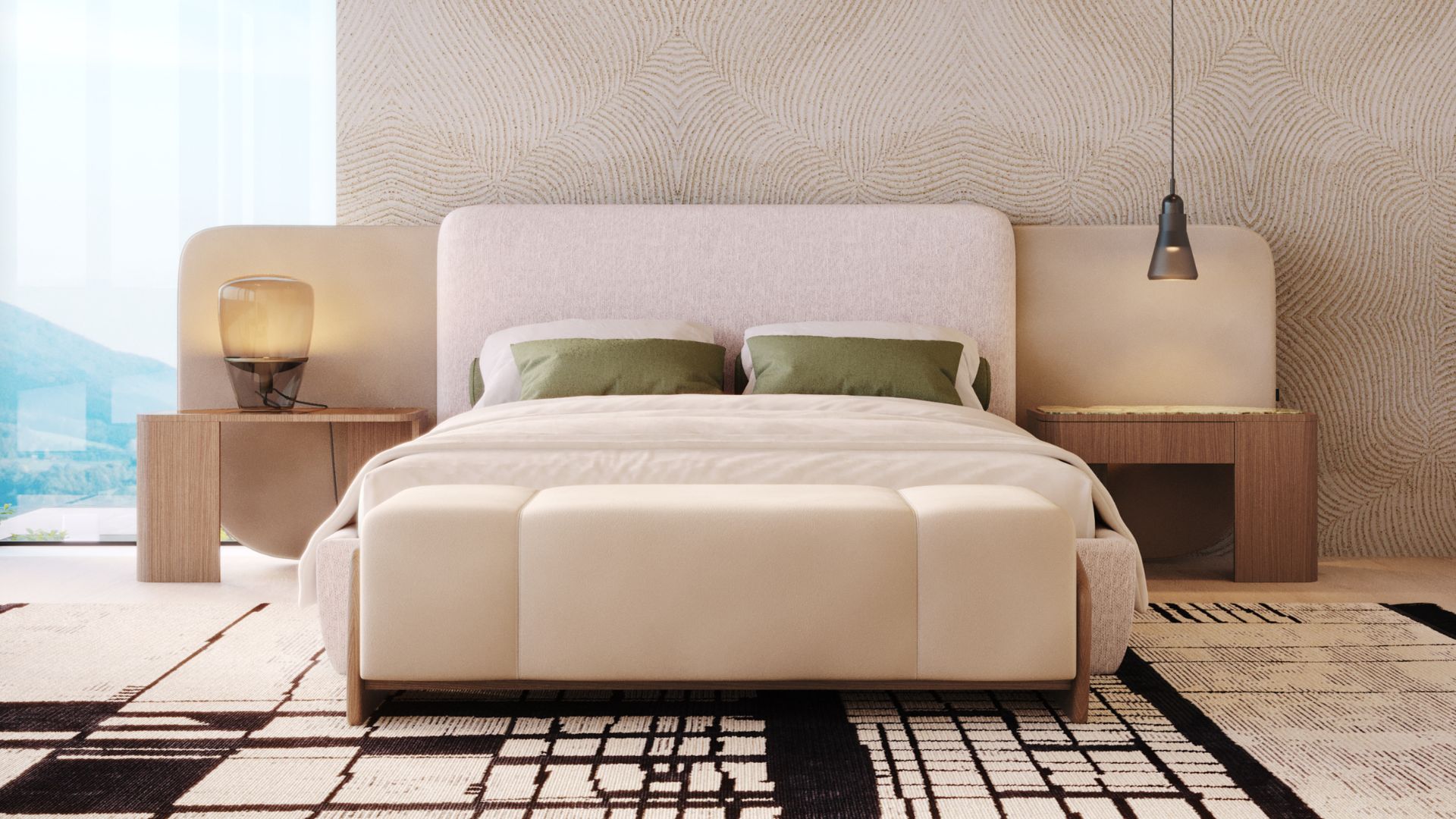
- A Restful Corner Within a Wellness Space
What is the Wellness Design Concept?
The wellness design concept begins with a simple belief: the spaces we inhabit have the power to influence how we feel. Every room can encourage calm, improve focus, or offer comfort through thoughtful decisions that place people at the centre of the design process. Within wellness interior design, beauty is not an end in itself but part of a wider intention to create environments that support everyday wellness, inviting moments of pause and helping us reconnect with a slower pace of life.
Wellness design begins with an understanding of how people want to feel within a space. Natural light, carefully chosen materials, balanced proportions, gentle colour palettes, and furniture that welcomes the body all contribute to an atmosphere where wellbeing feels instinctive.
The philosophy extends beyond interiors alone. Wellness architecture shapes the relationship between people and their surroundings through daylight, ventilation, spatial flow, and a closer connection with nature. When architecture and interiors work together, they create environments that feel open and deeply considered, allowing each space to support both physical and emotional wellbeing.
At its essence, wellness design reminds us that good design is measured by how it makes us feel. It transforms everyday rituals into meaningful experiences, where comfort, craftsmanship, and intentional living exist together naturally.
-
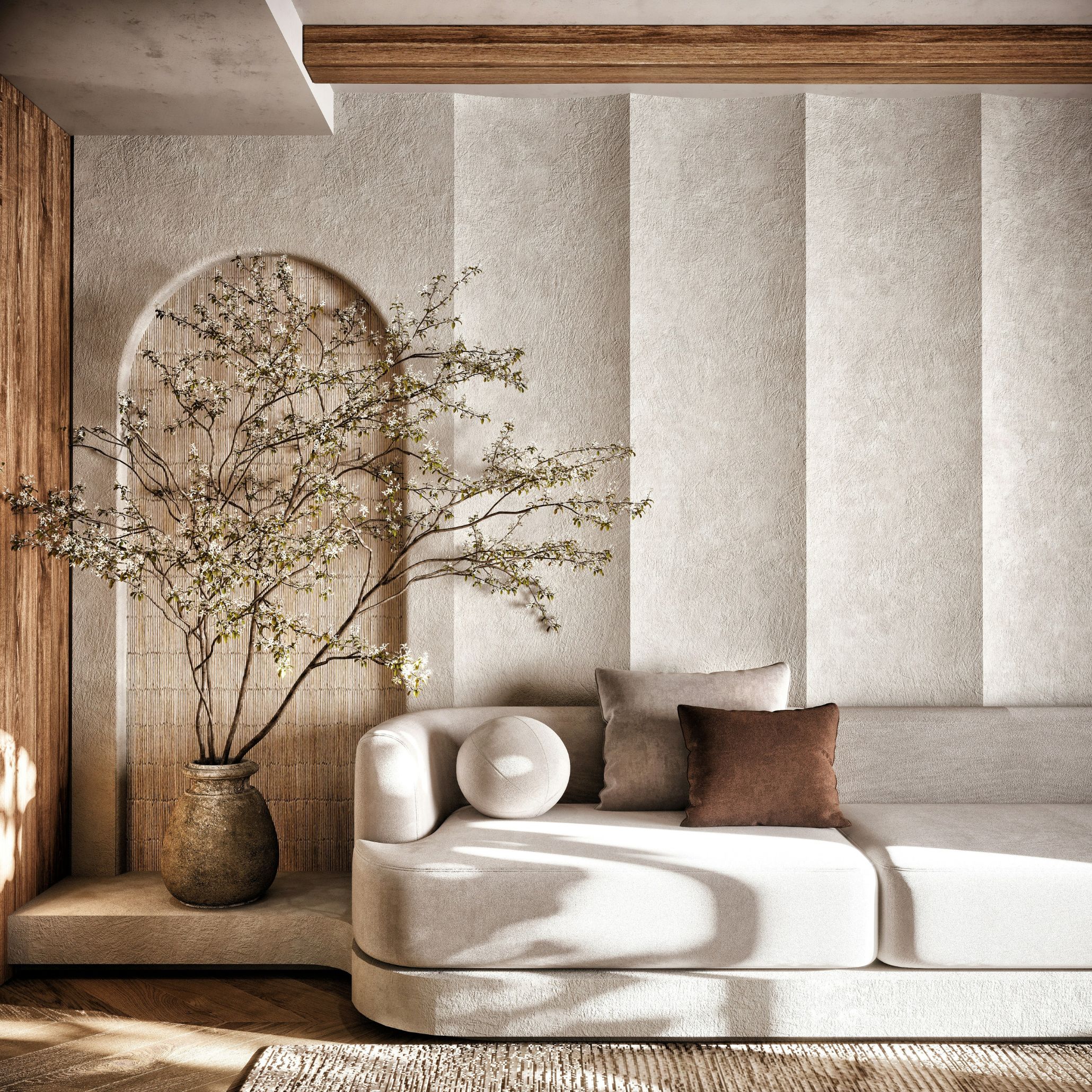
- Stillness Within a Textured Room | Source: Pinterest
-
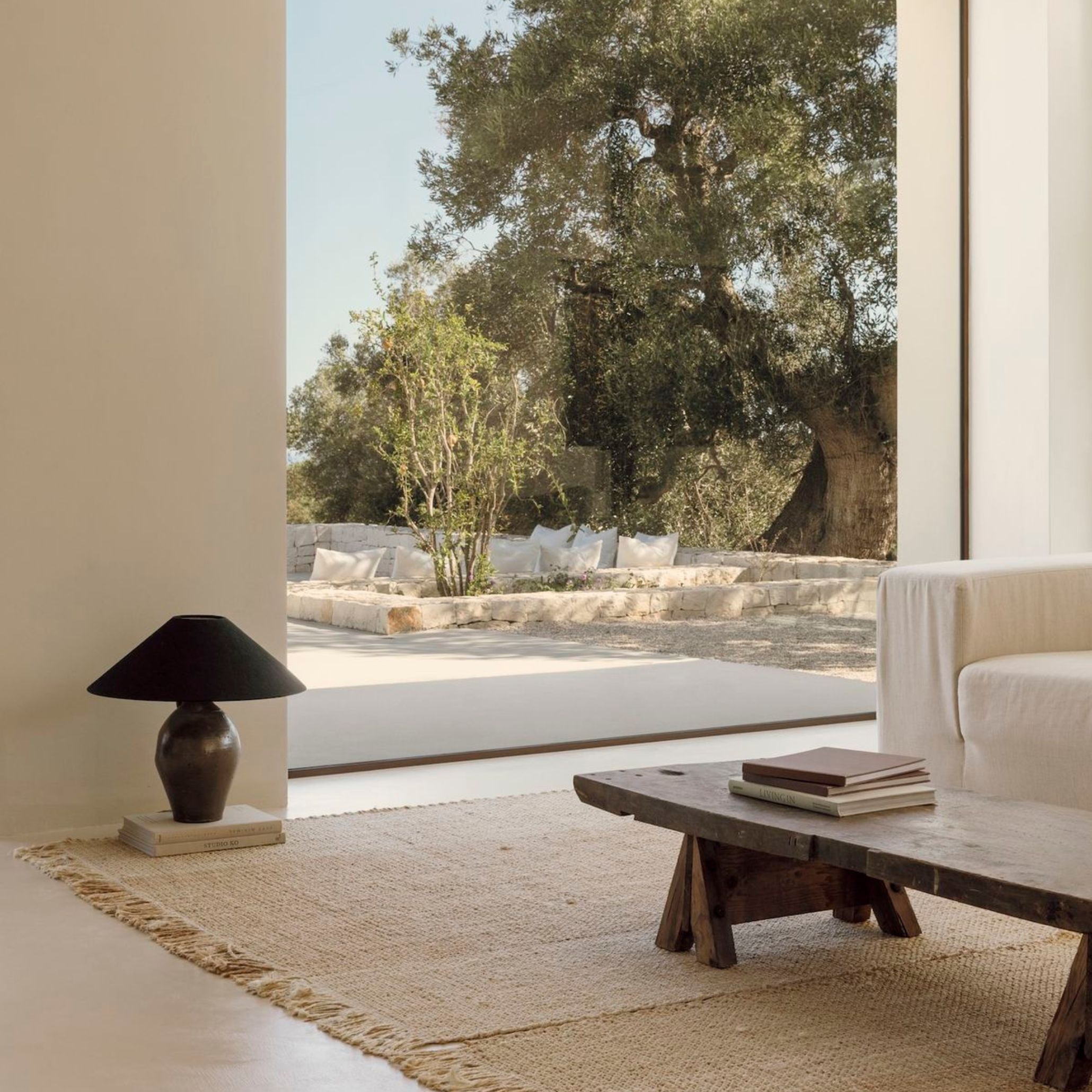
- Serene Indoor-Outdoor Transition | Source: Pinterest
Why Wellness Interior Design Influences Wellbeing
The environments we inhabit each day have an influence on how we feel, think, and experience the world around us. Whether within a home, an office, or a hospitality setting, wellness interior design creates spaces that encourage comfort, reduce stress, and nurture a greater sense of balance. When every decision is guided by intention, from the flow of a room to the way natural light fills it, interiors become places that actively support everyday wellness.
Creating a wellness interior begins with understanding the relationship between people and their surroundings. Daylight helps regulate our natural rhythms, while tactile materials, gentle colour palettes, and balanced layouts foster a sense of ease. Introducing natural elements, reducing visual distractions, and selecting furniture that welcomes moments of rest all contribute to wellness spaces where people can reconnect or simply embrace the beauty of the present.
The principles of wellness design extend far beyond the home. In workplaces, they encourage concentration and create environments where collaboration feels natural. Within hotels and retreats, they help shape memorable experiences that invite guests to slow down and feel truly at ease. Supported by thoughtful wellness architecture, these spaces demonstrate how design has the ability to enrich everyday life across a wide range of settings.
-
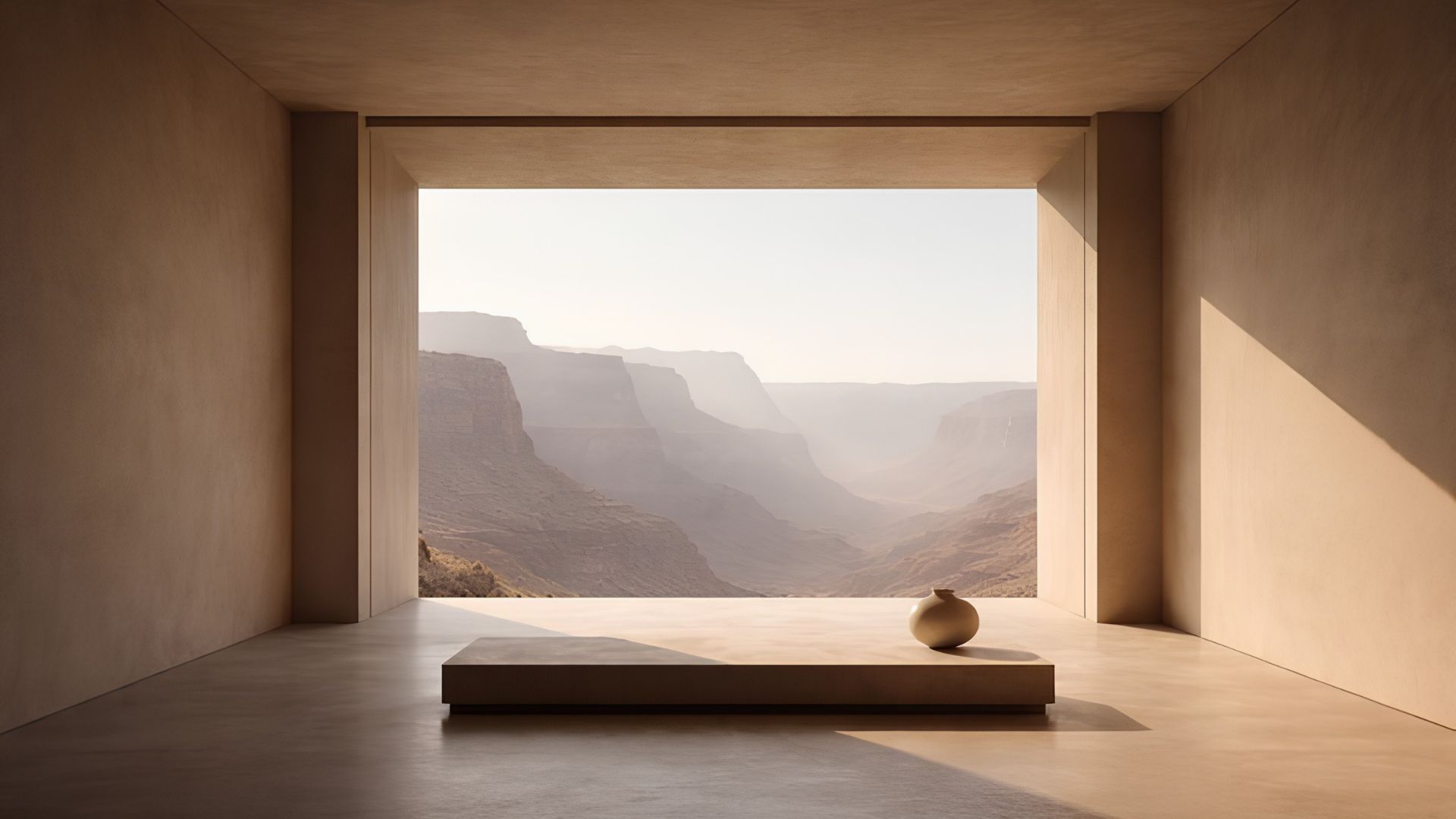
- Wellness Room with a Serene View | Source: Pinterest
How to Design Wellness Spaces with Purpose and Presence
Designing wellness spaces begins with understanding how people wish to experience them. A room should invite a sense of calm from the moment it is entered, creating the conditions for daily routines to be experienced with greater ease and intention. Every decision, from the arrangement of the furniture to the materials chosen, contributes to an atmosphere that supports both physical comfort and emotional wellbeing.
A thoughtful wellness space design embraces nature as a guiding influence. Natural light, organic materials and soft textures create interiors that feel welcoming and balanced. Carefully considered proportions, open circulation, and a connection with the outdoors encourage a slower rhythm, allowing the space to breathe and those within it to do the same.
Furniture plays an essential role in shaping the experience of a wellness space. Pieces that prioritise comfort, craftsmanship, and organic design encourage moments of rest and reflection.Rather than simply occupying a room, they shape the way it is experienced, creating places where everyday rituals become opportunities to reconnect with what truly matters.
-
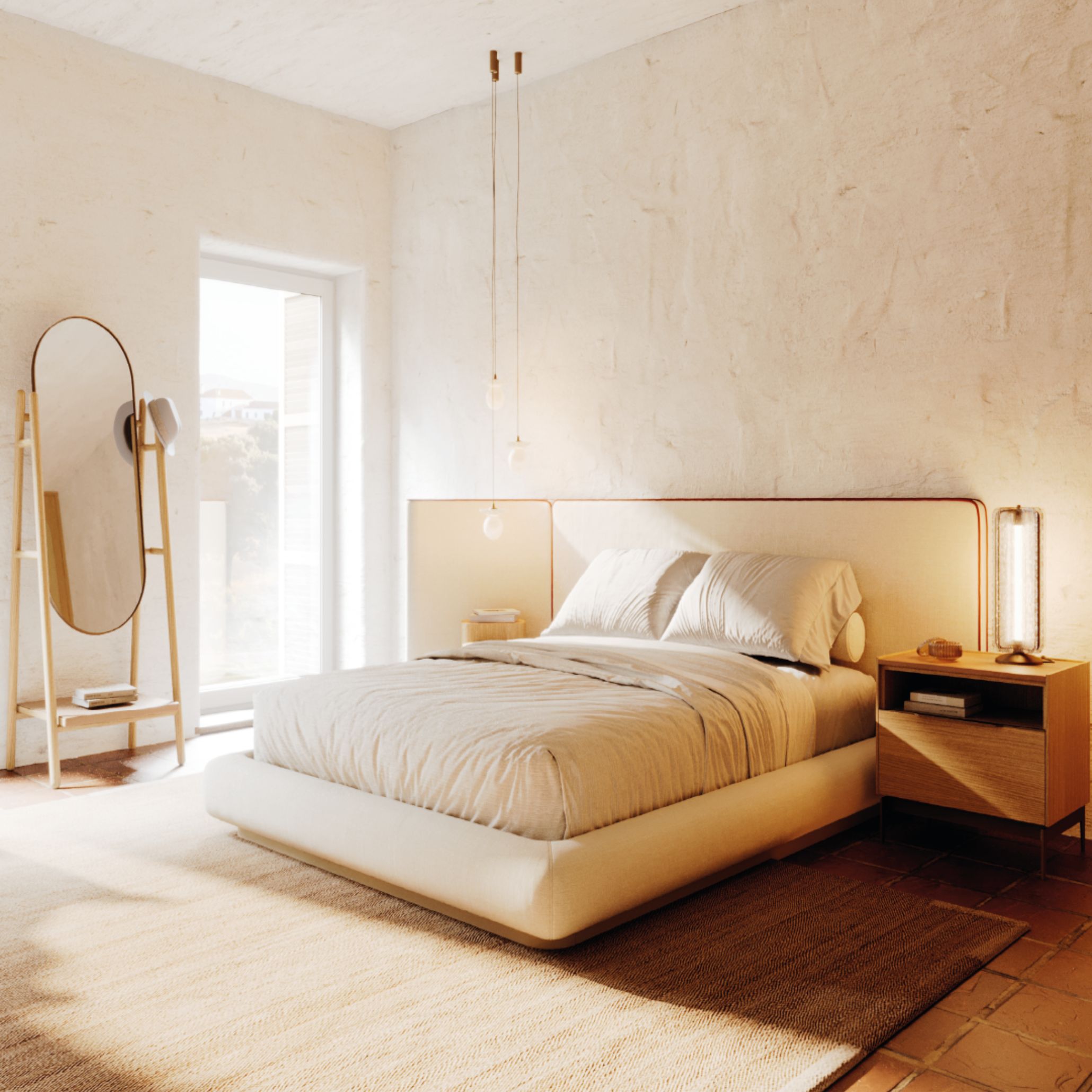
- A Peaceful Master Suite of the Comporta Wellness Center
-
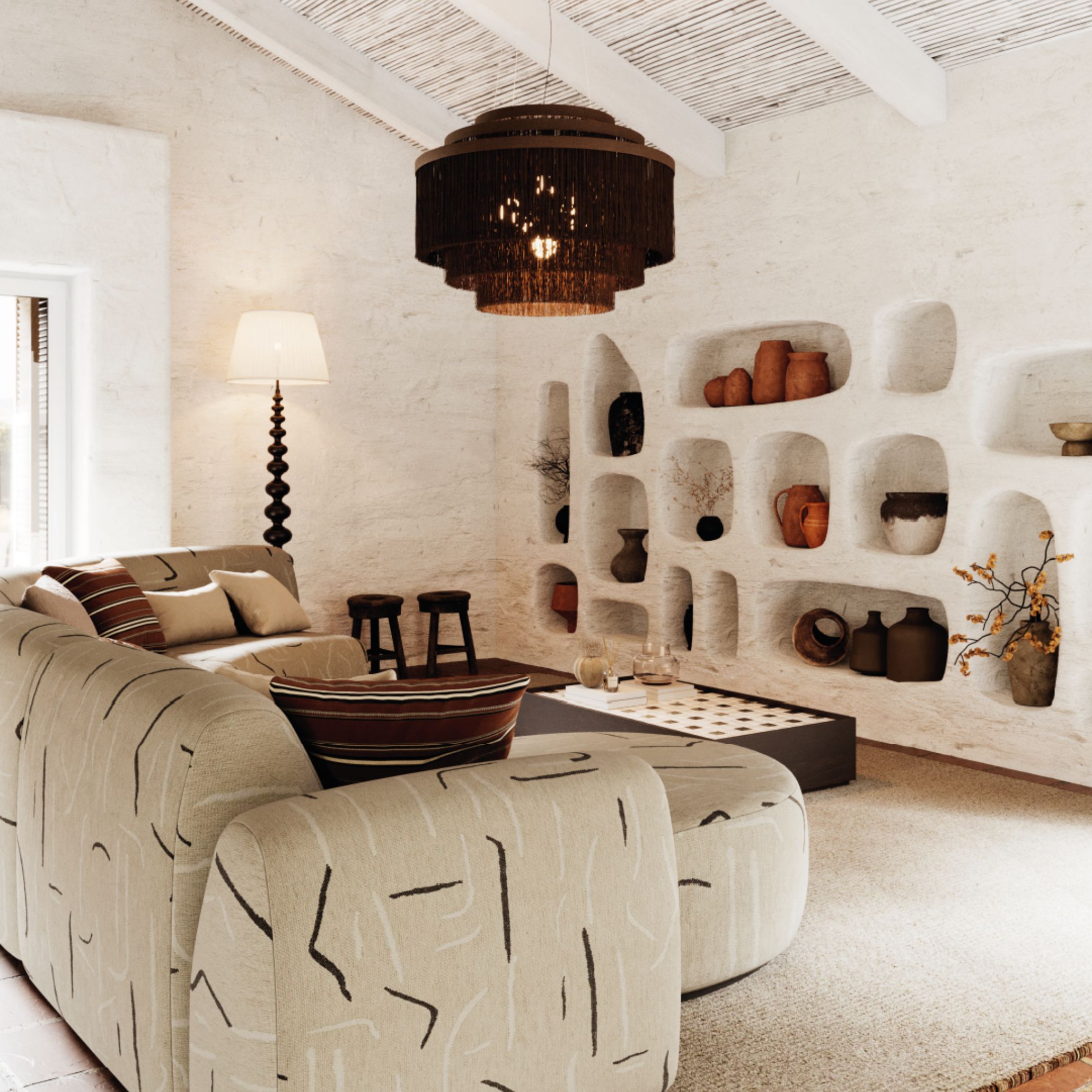
- An Organic Living Room in Comporta
Furniture Pieces Created with Wellness Design in Mind
A thoughtfully designed wellness space is shaped by every element within it, and furniture plays a defining role in that experience. Beyond function, each piece influences the way a room is lived in, creating opportunities to pause and restore. Inspired by nature and guided by craftsmanship, these designs reflect the principles of wellness design, offering comfort through form and materiality.
Inspired by river stones shaped over time, the Stone Sofa introduces a sense of ease through its soft, organic silhouette. Its modular composition adapts naturally to different ways of living, whether creating a welcoming setting for conversation or a quiet corner for moments of rest. Within a wellness interior, its generous proportions and inviting upholstery encourage people to slow down, making comfort feel like a part of everyday life.
Echoing the same organic inspiration, the Stone Armchair creates an intimate place for moments of stillness. Its rounded contours and tactile upholstery invite you to pause, whether through meditation, journalling, reading, or simply enjoying a quiet moment away from the pace of the day. As part of a wellness interior design approach, it demonstrates how furniture can support emotional wellbeing by encouraging a deeper connection with the present moment.
-
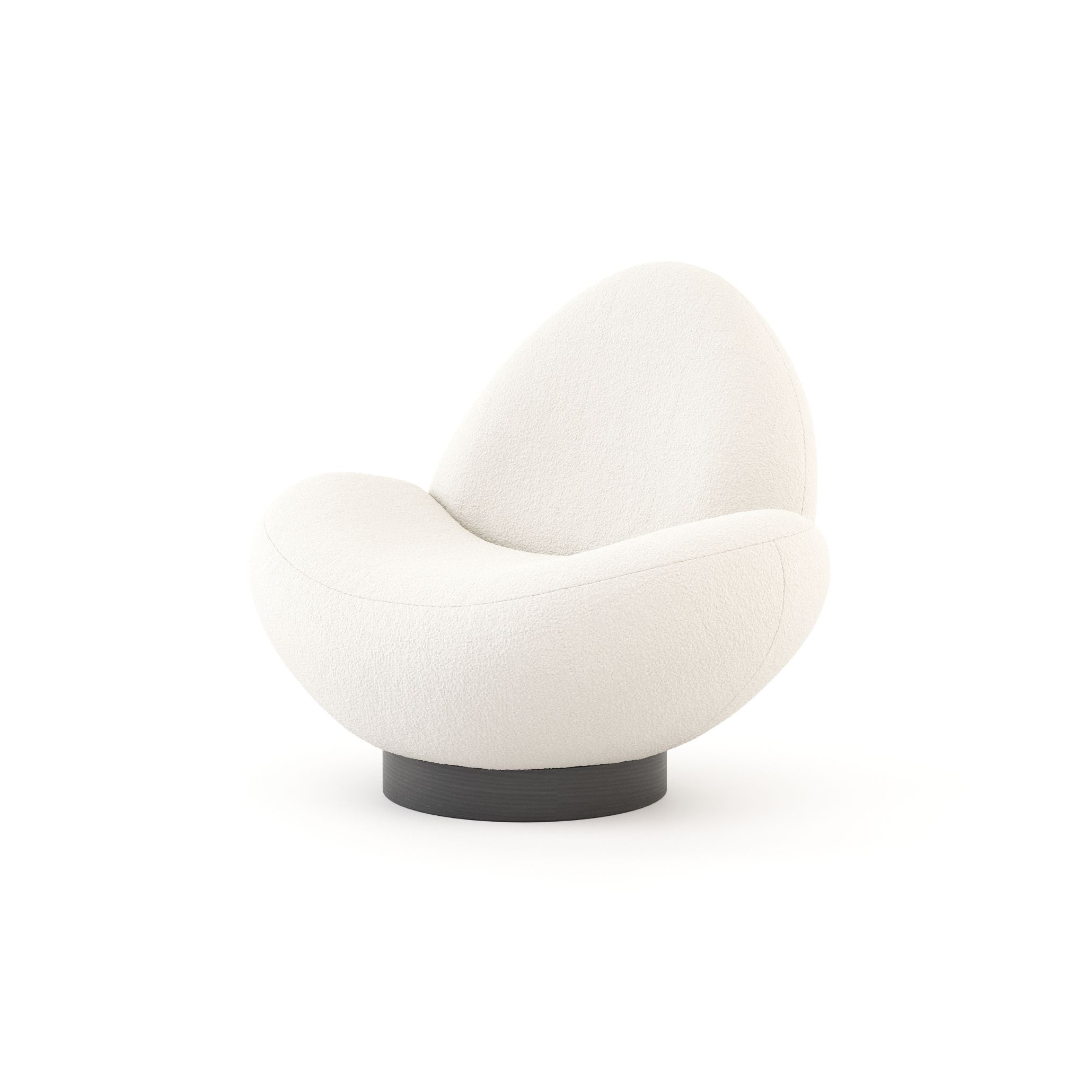
- Stone Armchair
-
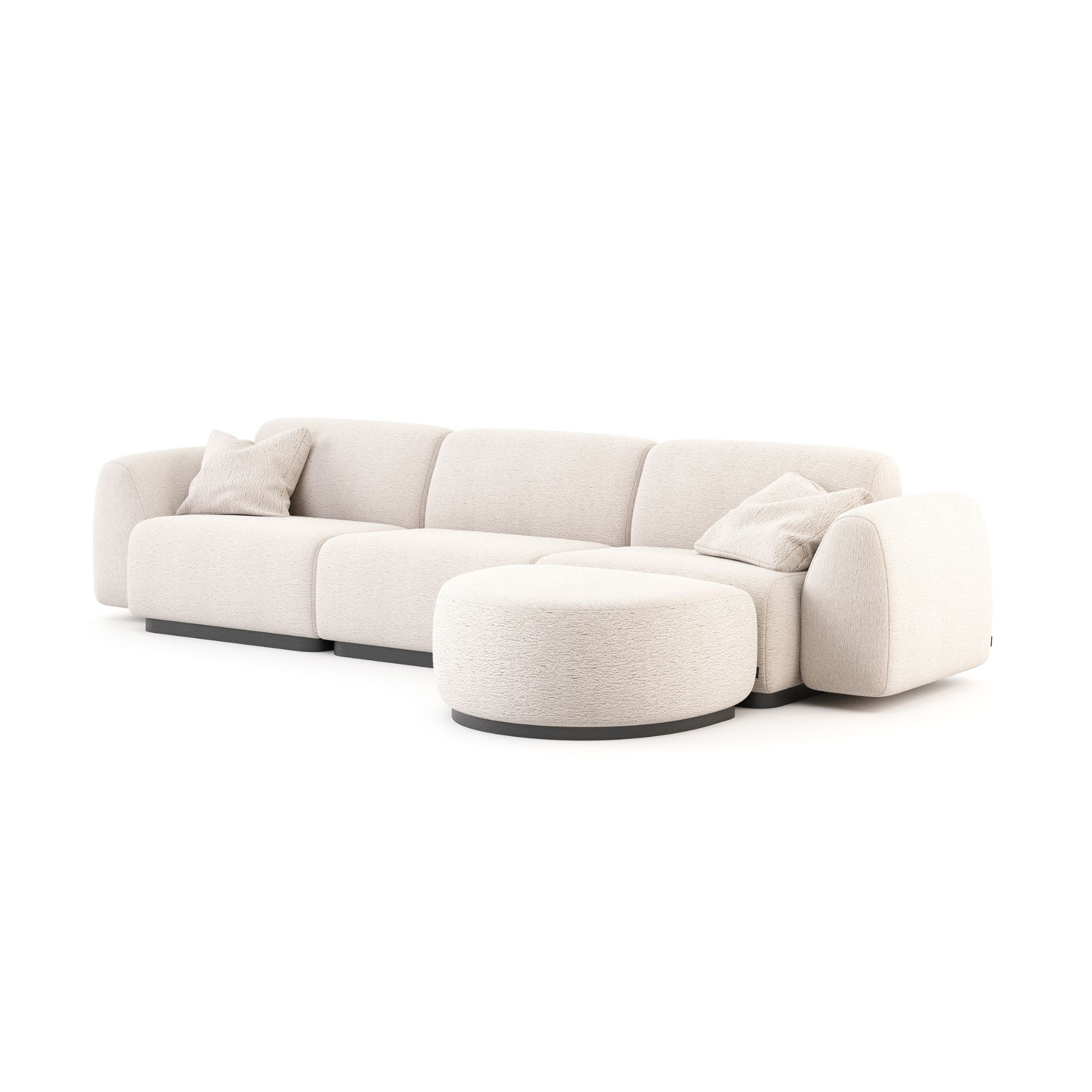
- Stone Sofa
The Natur Side Tables celebrate the beauty of simplicity through organic lines and carefully selected natural materials. Their understated design introduces visual balance without competing for attention, allowing the surrounding space to feel calm and harmonious. Their understated presence brings harmony to the surrounding interior, contributing to a wellness space where every detail has purpose and every object supports a quieter way of living.
Inspired by the fluid forms found in nature, the Natur Bed creates a bedroom centred on comfort and restoration. Its welcoming silhouette and gentle curves encourage a feeling of calm, transforming the bedroom into a place where rest becomes an essential daily ritual. Designed with wellness in mind, it reflects the belief that the spaces where we begin and end each day should encourage balance, presence, and lasting comfort.
-
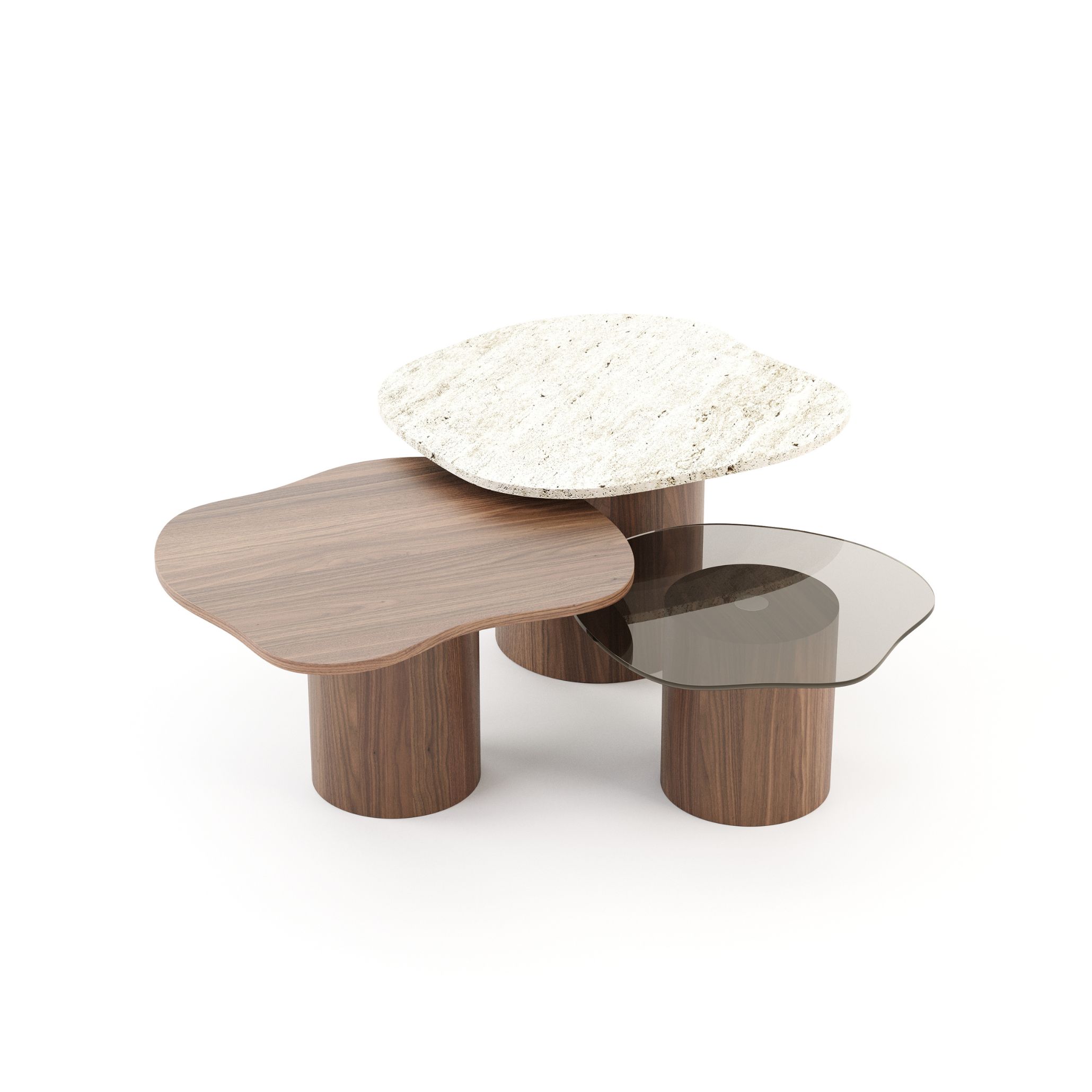
- Natur Side Tables
-
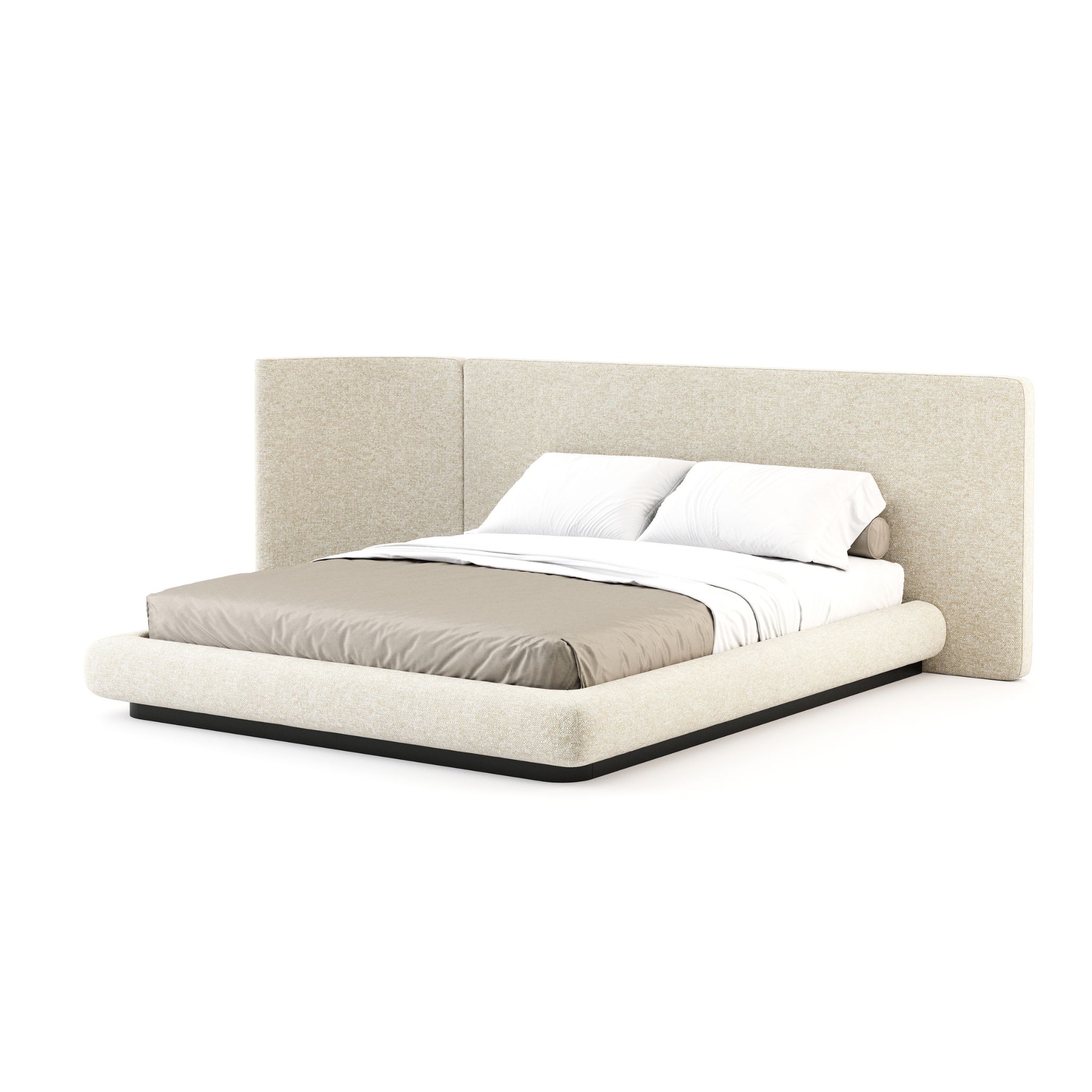
- Natur Bed
Designing wellness spaces is an investment in the quality of everyday life. Guided by the principles of wellness design, every decision, from architecture and interiors to the furniture that shapes each room, contributes to environments that encourage comfort, presence, and emotional wellbeing. As our homes continue to evolve alongside the way we live, creating spaces with intention offers an opportunity to foster balance, embrace slower living, and cultivate a lasting connection between people and the places they call home.