Transitional Interior Design
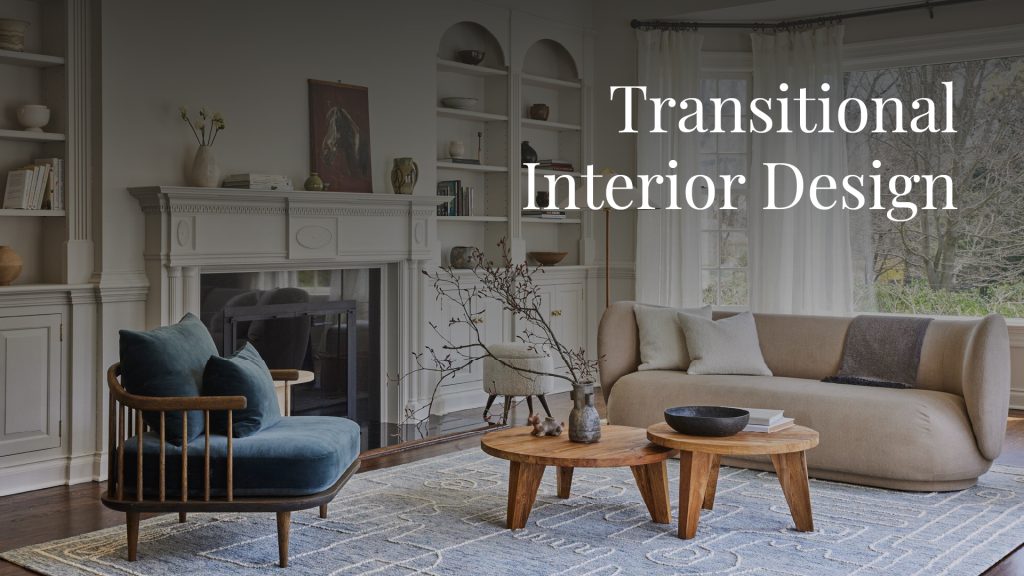
Transitional Interior Design is a conversation between eras, a dialogue where tradition and modernity meet in harmony. It is a design language shaped by balance and simplicity, offering interiors that feel elegant yet deeply personal. Amid the constant change of design trends, Transitional Design turns every home into a sanctuary, where each space feels purposeful and inviting.
This article explores the soul of the Transitional Design Style, revealing how it brings together classic warmth and contemporary clarity. From understanding its principles to discovering how furniture, materials, and light shape its identity, you will learn how Transitional Interior Design creates environments that feel calm and naturally elegant, spaces designed meant not only to impress, but to be lived in.
-
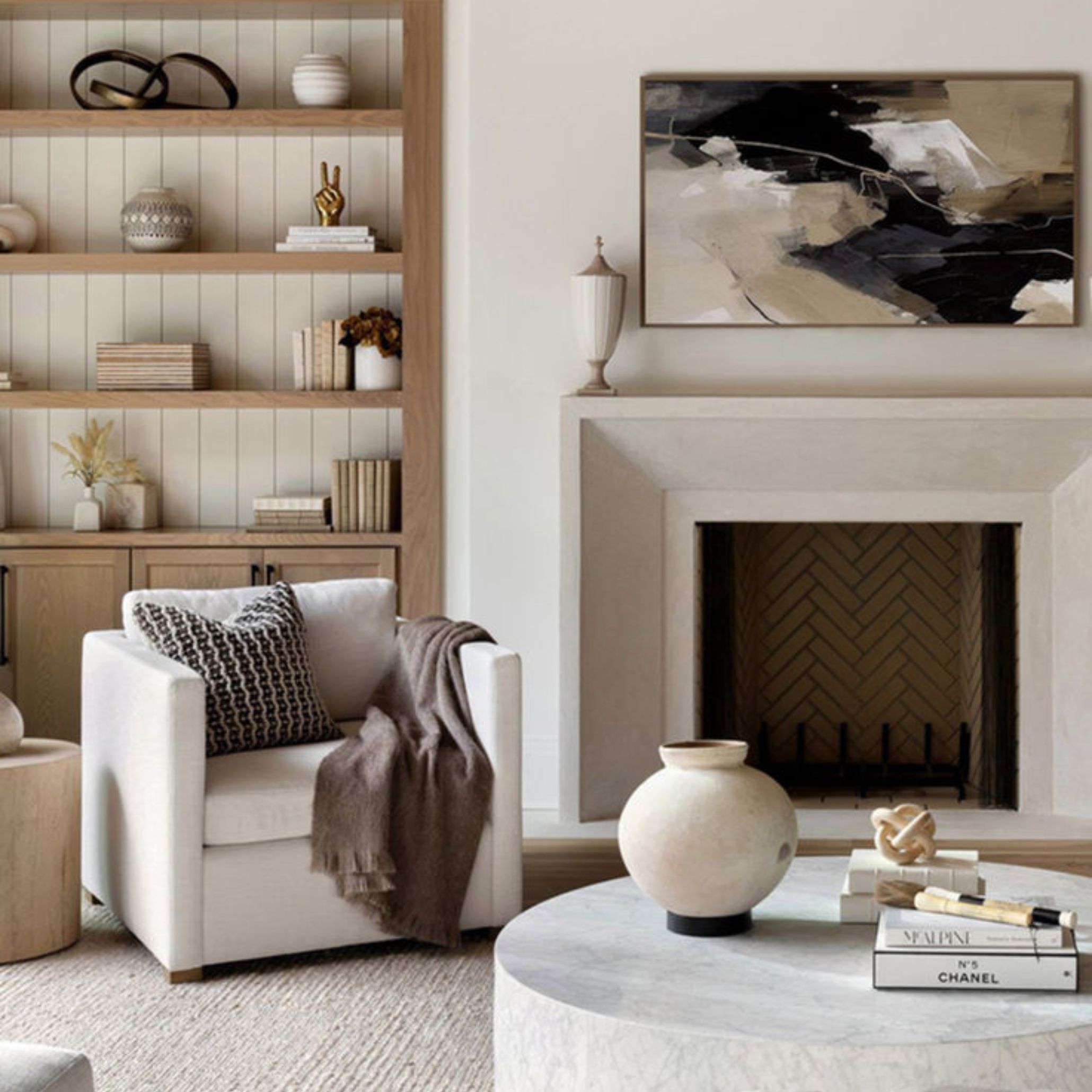
- Transitional Design Style Reading Corner | Source: Pinterest
-
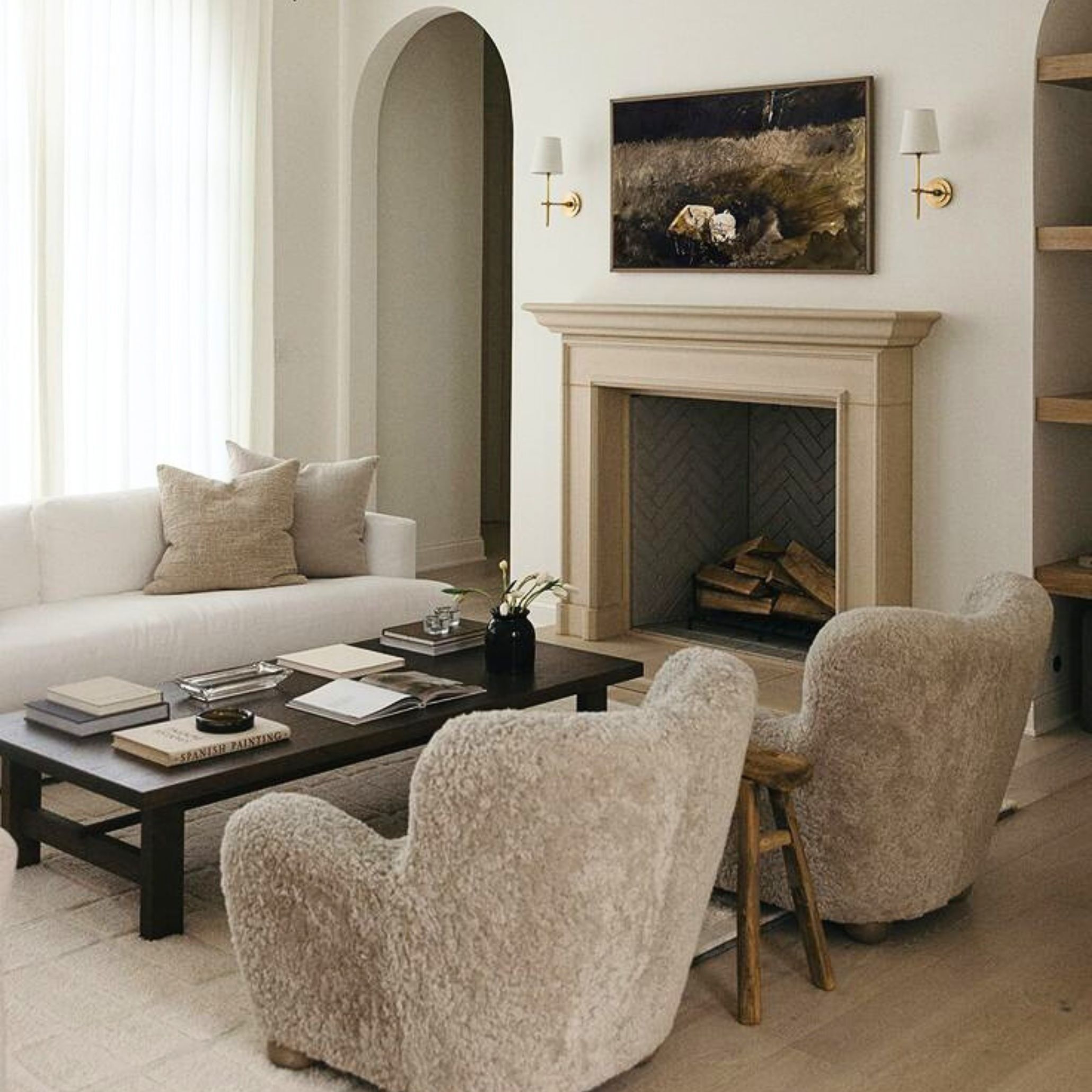
- Elegant Transitional Living Room | Source: Pinterest
What Is Transitional Interior Design?
Transitional Interior Design is defined by balance rather than boundaries. It sits gracefully between traditional and contemporary design, borrowing the comfort and familiarity of classic interiors while embracing the clean lines and simplicity of modern living. The result is a space that feels neither dated nor stark, but effortlessly eternal.
Visually, the Transitional Design Style is serene and cohesive. Spaces are often grounded in neutral tones, softened by layered textures and gentle contrasts. Furniture silhouettes are clean yet inviting, architectural details are subtle, and decoration is intentional rather than excessive. In this interior design style, nothing competes – everything belongs.
At the core of Transitional Design lie two simple yet powerful principles: harmony and proportion. Each element is carefully selected so that the old and new, form and function, elegance and comfort coexist in perfect equilibrium. This thoughtful approach allows Transitional Interior Design to evolve naturally over time, adapting to changing lifestyles while preserving its essence.
-
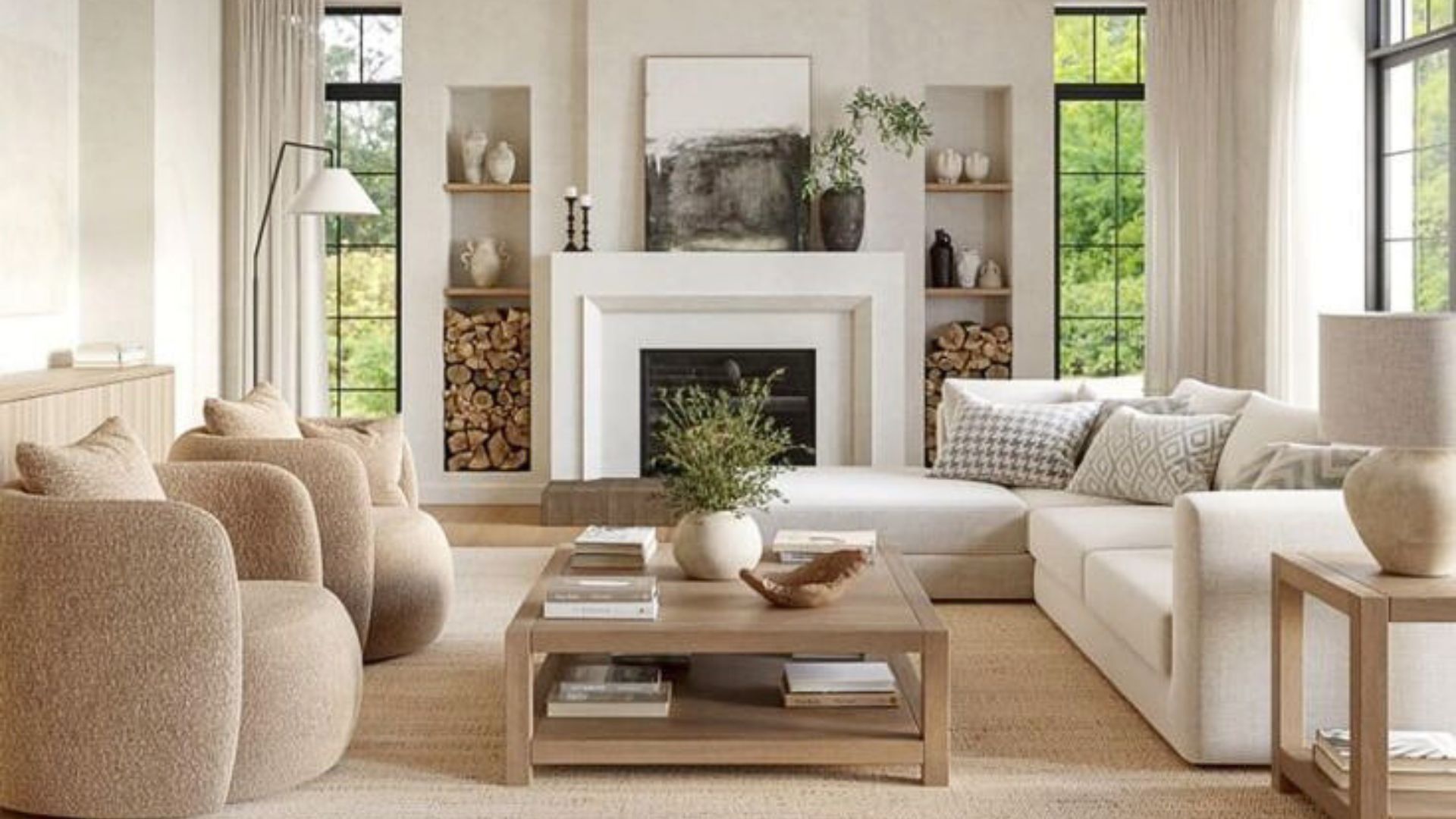
- Neutral Transitional Style Living Room | Source: Pinterest
What Is the Difference Between Transitional and Contemporary Design?
While contemporary design reflects the spirit of the present moment, Transitional Design looks beyond trends. Contemporary interiors often embrace bold contrasts, experimental forms, and striking minimalism. Transitional Interior Design, in contrast, softens modern lines with classic influences, transforming interiors into environments that feel balanced and with purpose.
Where contemporary design may prioritize statement over subtlety, the Transitional Design Style values cohesion and serenity. It replaces sharp visual tension with layered warmth, allowing interiors to feel welcoming rather than dramatic. This is where Transitional Design truly distinguishes itself, not by following what is current, but by refining what is lasting.
-
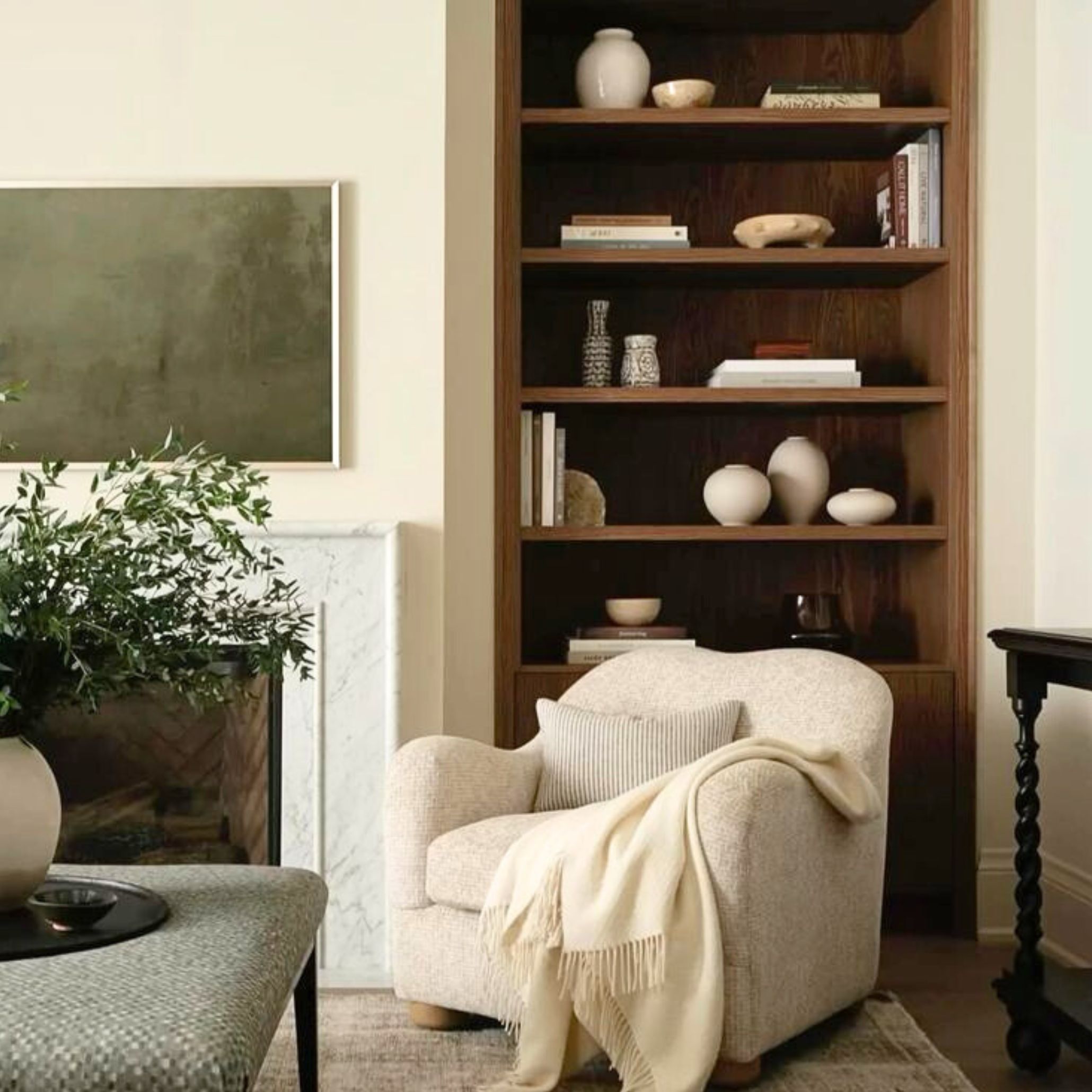
- Soft Transitional Interior Design Corner | Source: Pinterest
-
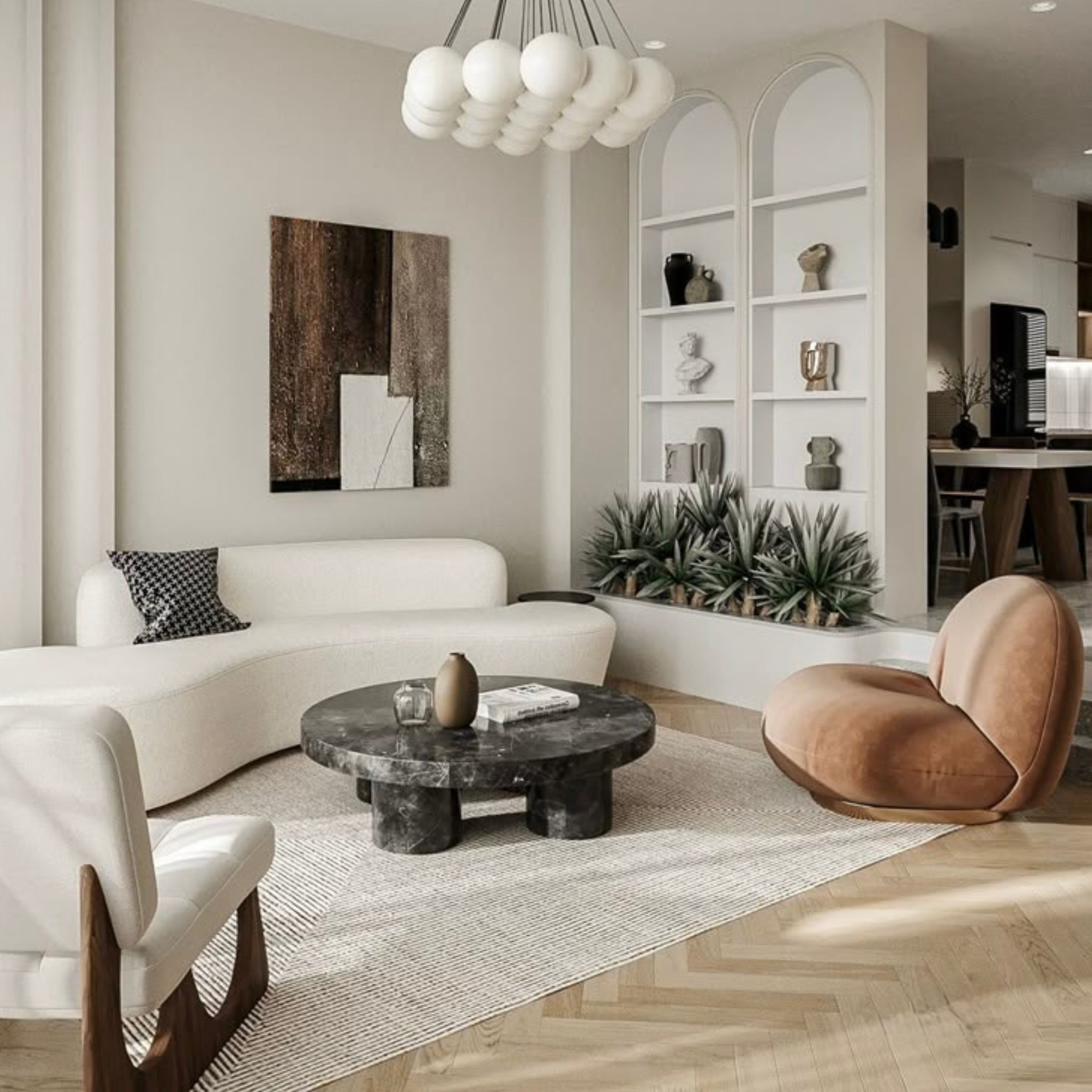
- Bold Contemporary Living Room | Source: Pinterest
Is Transitional Design Still in Style?
The enduring relevance of Transitional Design lies in its ability to grow with its inhabitants. Rather than anchoring itself to a specific era, Transitional Interior Design adapts quietly, welcoming new influences without losing its core identity.
As homes increasingly become sanctuaries, spaces for connection and reflection, the Transitional Design Style continues to resonate. Its emphasis on comfort, balance, and understated luxury answers a deeper desire for interiors that feel meaningful rather than momentary. This is a style that commands presence, without ever overwhelming the space.
-
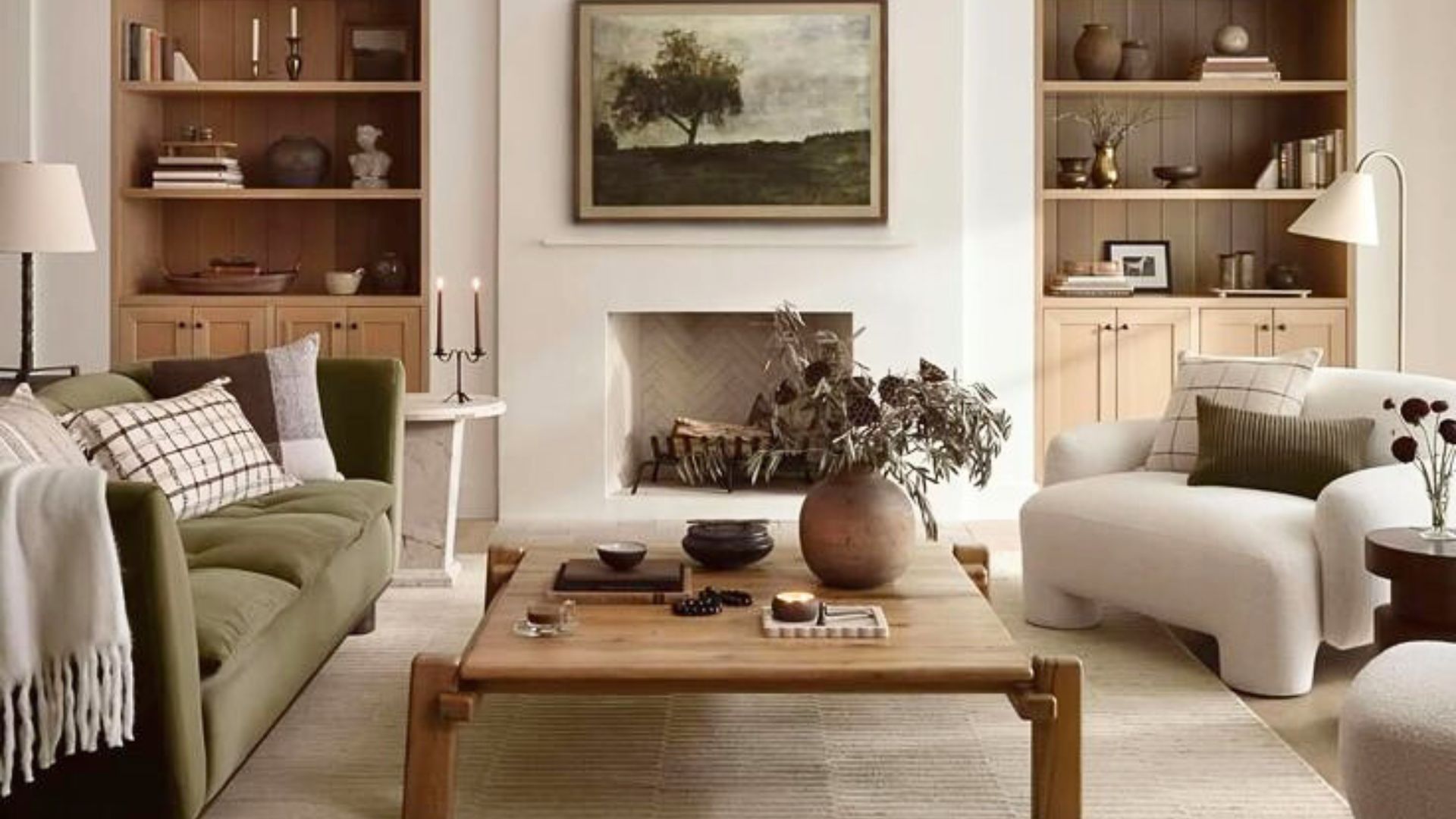
- Timeless Transitional Interior Design Living Room | Source: Pinterest
Key Features That Define Transitional Interior Design
What gives Transitional Interior Design its everlasting appeal is the way its elements work together in harmony. Each feature plays a supporting role, contributing to a space that feels intentional and deeply livable. From spatial planning to furniture selection, the beauty of Transitional Design lies in its coherence.
Layout and Balance
In Transitional Interior Design, layout is guided by symmetry and flow. Spaces are thoughtfully arranged to feel open yet centered, allowing movement without visual noise. Balance is achieved not through strict formality, but through an intuitive sense of order, where each piece has room to breathe.
This philosophy creates interiors that feel calm and welcoming. Nothing feels overcrowded or overly sparse. Instead, the layout supports everyday living while reinforcing the serene elegance that defines the Transitional Design Style.
-
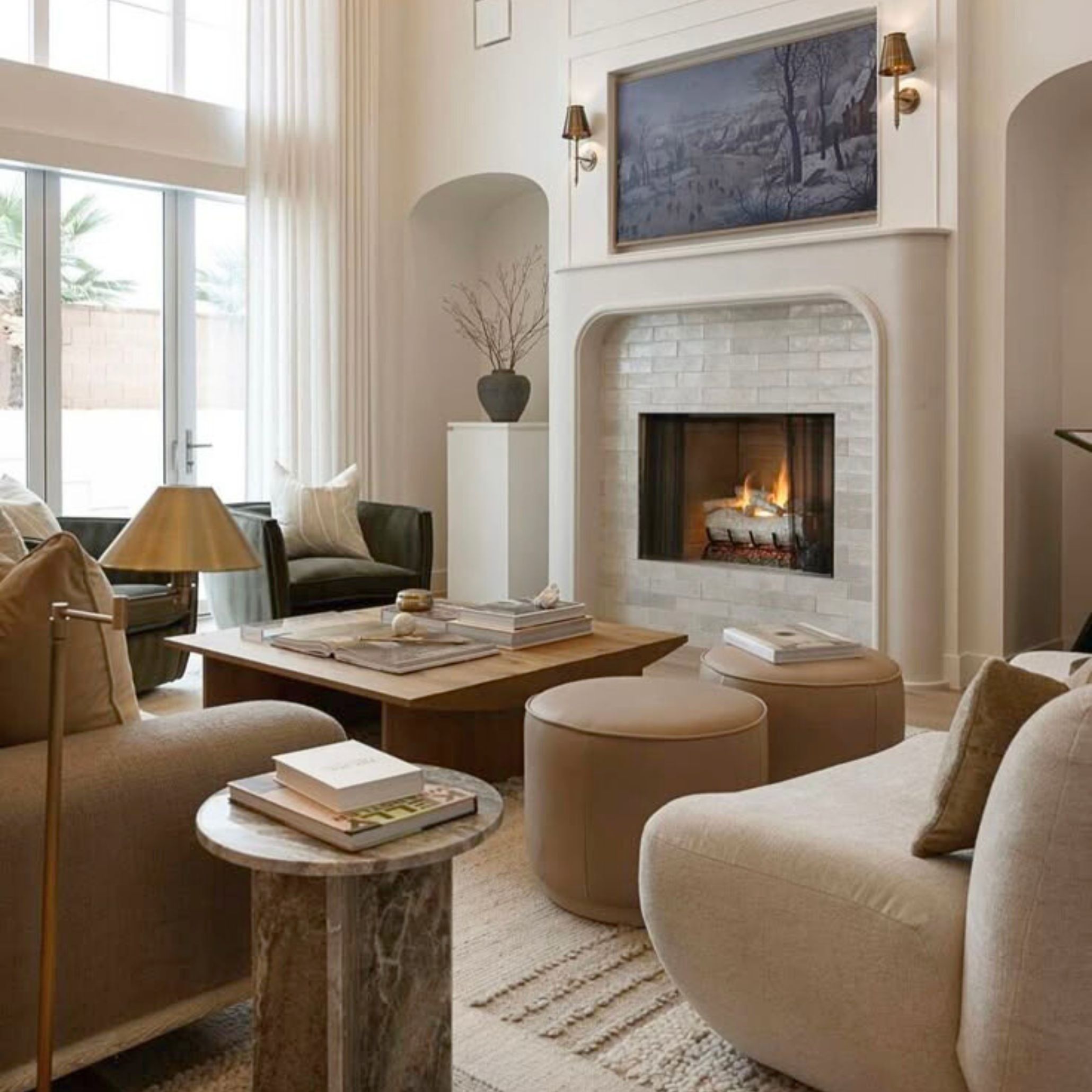
- Cozy Transitional Interior | Source: Pinterest
-
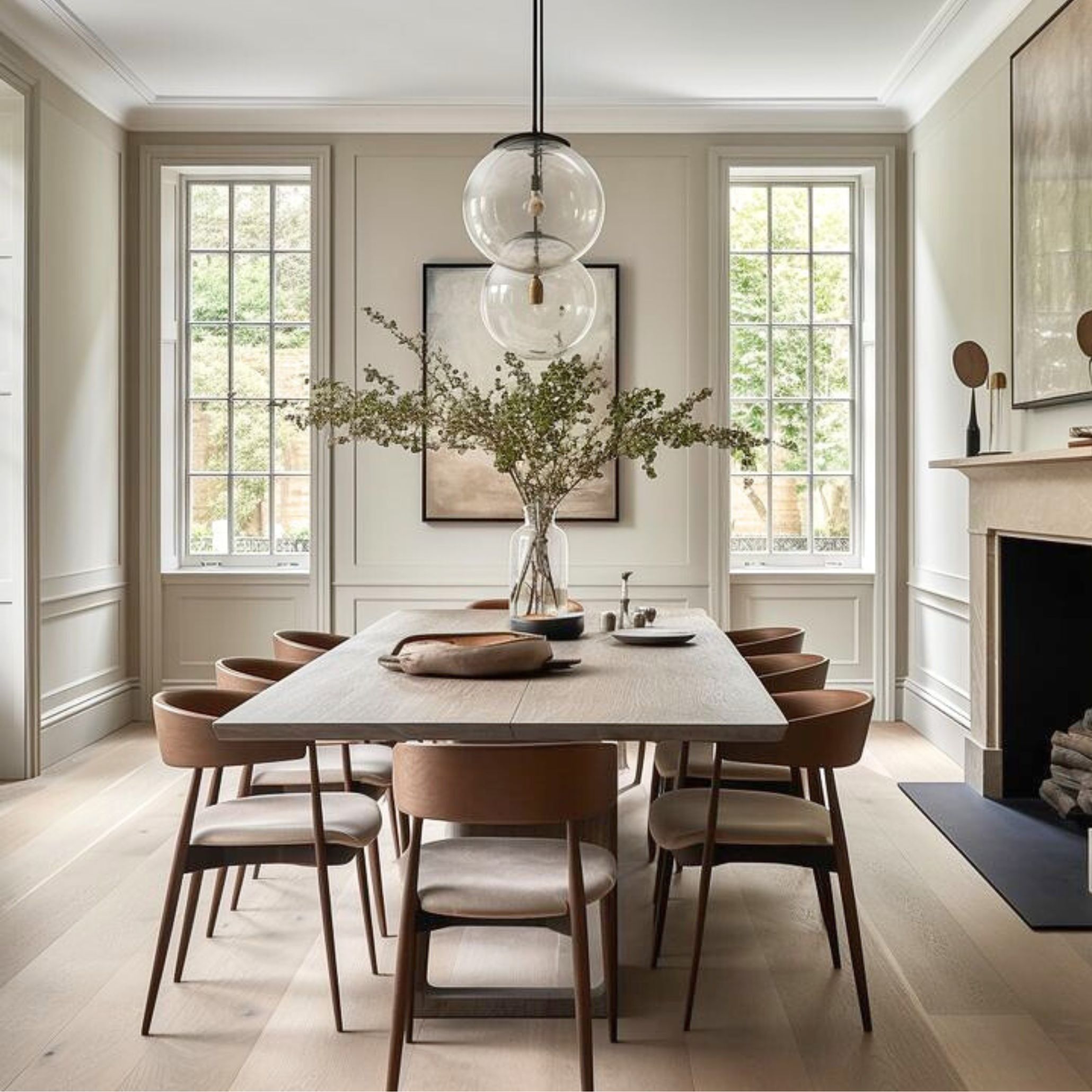
- Balanced Transitional Style Dining Room | Source: Pinterest
Furniture and Form
What makes Transitional Design Furniture so compelling is its ability to bridge contrast with ease. A space may feature clean-lined forms alongside softly contoured seating, creating a dialogue between structure and comfort.
A modular piece like the Natur Bookcase, with its oak base and natural travertine marble top, brings architectural clarity and material richness into a Transitional Interior Design living room or office. Paired with a piece such as the Natur Dining Table, whose organic movement and minimalist presence celebrate both practicality and elegance, the space reflects the harmony and balance that define the Transitional Design Style, feeling grounded yet elegant.
Comfort is then introduced through seating that softens the composition. The Her Armchair, with its gently curved back, suede upholstery, and polished brass base, adds a layer of warmth and sophistication. In a Transitional Interior Design setting, where modern structure meets more classic influences, when structured furniture meets tactile materials, the Transitional Design Style reveals its true strength, a combination of elegance and contrast that feels natural and effortlessly complete.
This interplay is especially powerful in a Transitional Design Style Living Room, where form and comfort must coexist without compromise.
-
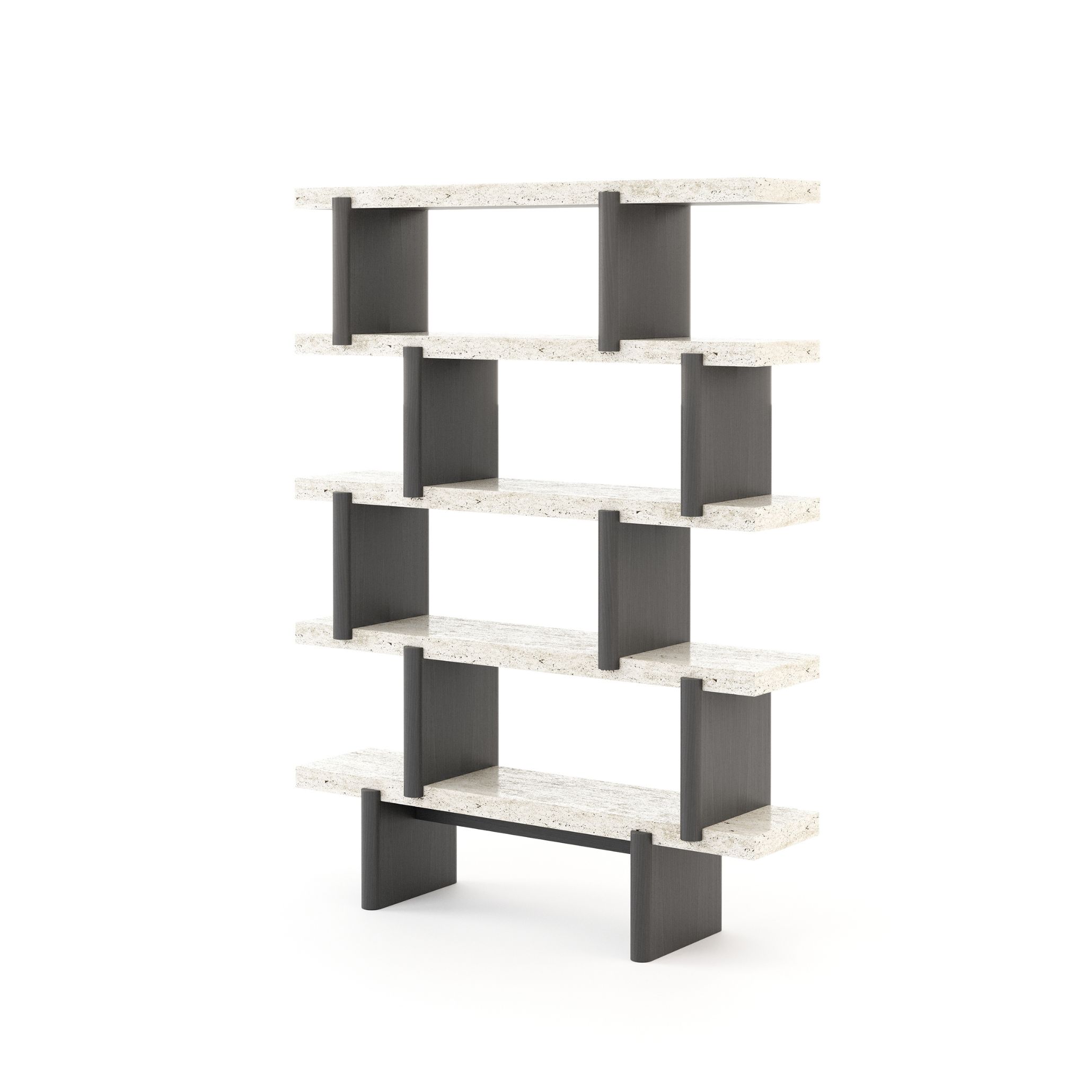
- Natur Bookcase
-
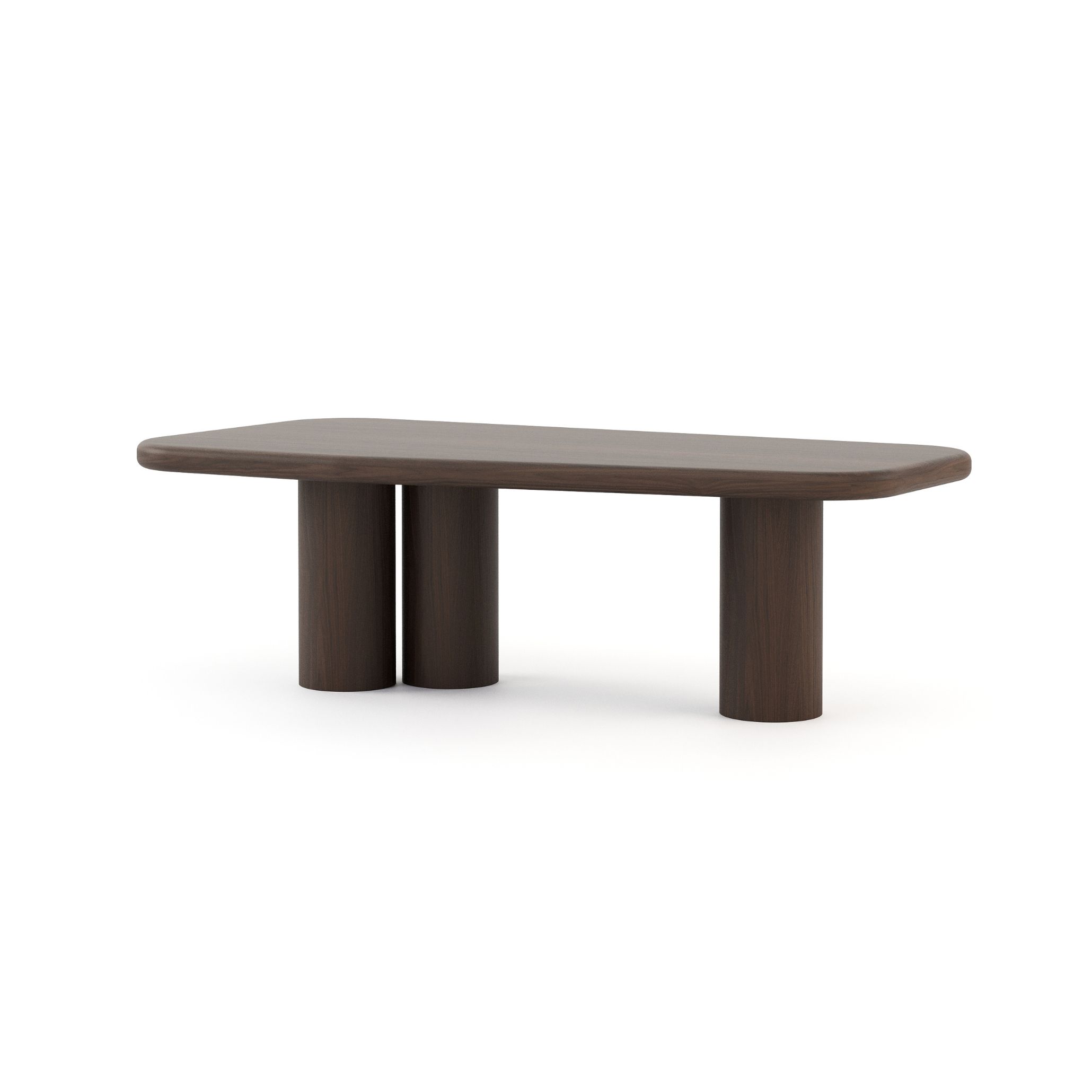
- Natur Dining Room
-
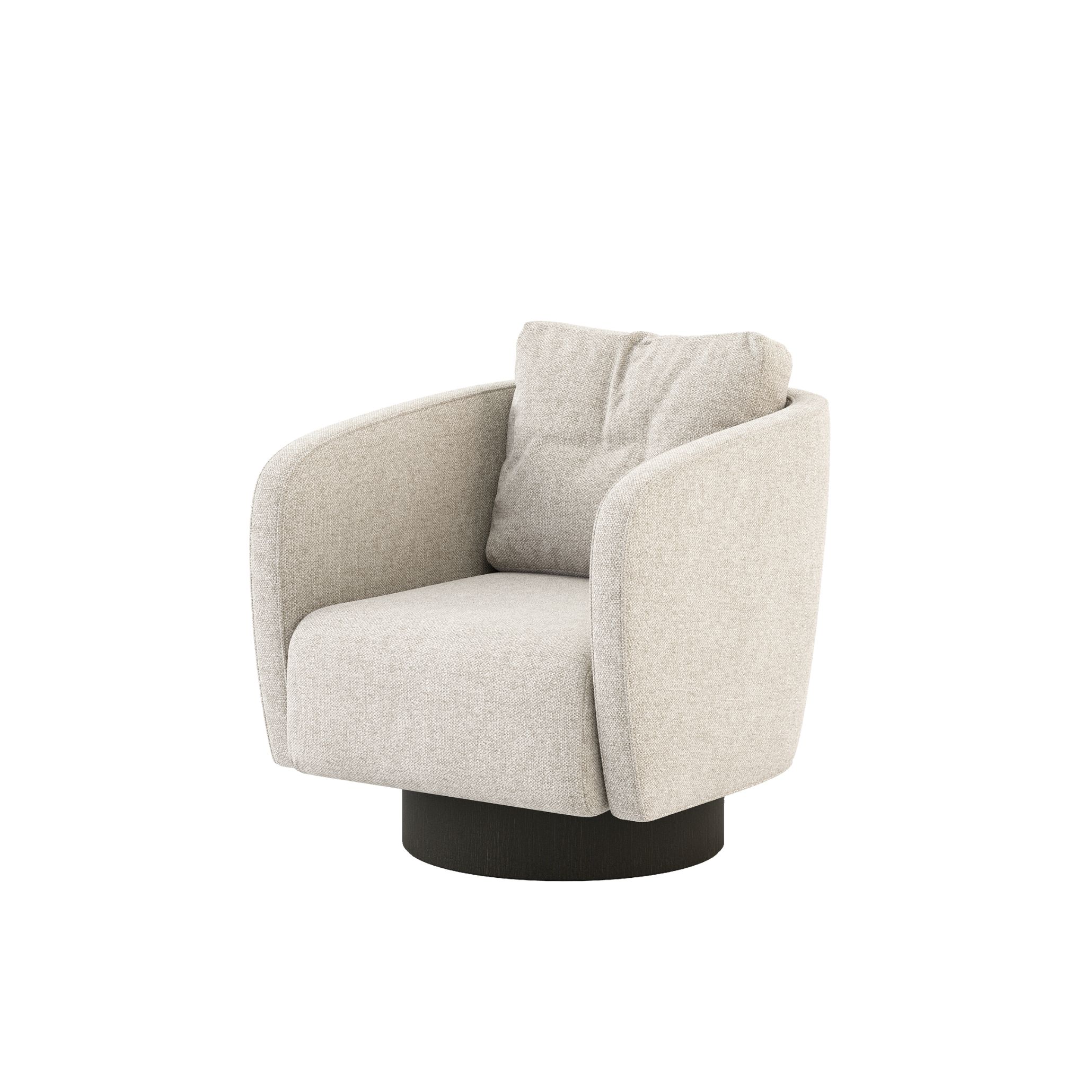
- Her Armchair
Materials, Texture, and Color Palette
The colour palette of Transitional Interior Design is calm and enduring. Soft whites, warm greys, taupes, and muted beiges form a neutral foundation that allows materials to take the lead. Rather than relying on bold colour statements, Transitional Design builds depth through texture.
Natural wood, stone, suede, linen, and subtle metallic finishes are layered thoughtfully, creating visual interest without excess. These tactile contrasts bring warmth and dimension, ensuring the space feels inviting and lived-in, never flat nor overwhelming.
-
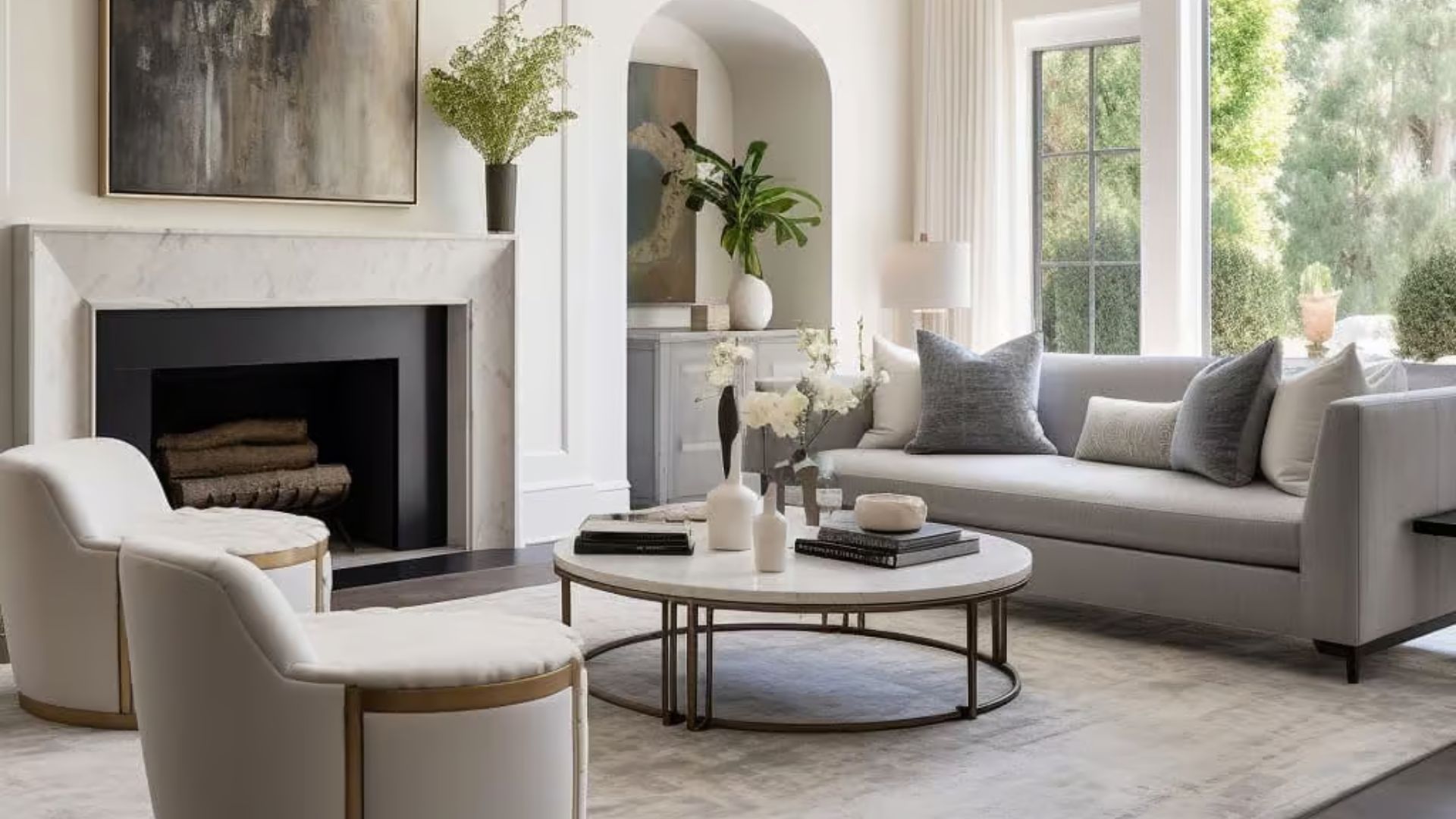
- Neutral Palette Transitional Living Room | Source: Pinterest
Lighting and Accessories
Lighting plays a quiet yet transformative role in Transitional Design. Soft, layered illumination enhances the atmosphere, combining ambient lighting with sculptural fixtures that add understated character. The goal is to add warmth and light that flatters both the space and the moments lived within it.
Accessories are chosen with intention. Rather than filling shelves or surfaces, Transitional Interior Design favours meaningful accents, a ceramic piece, a refined artwork, a textured textile, each chosen to complement the whole. In this restraint, the space finds its elegance.
-
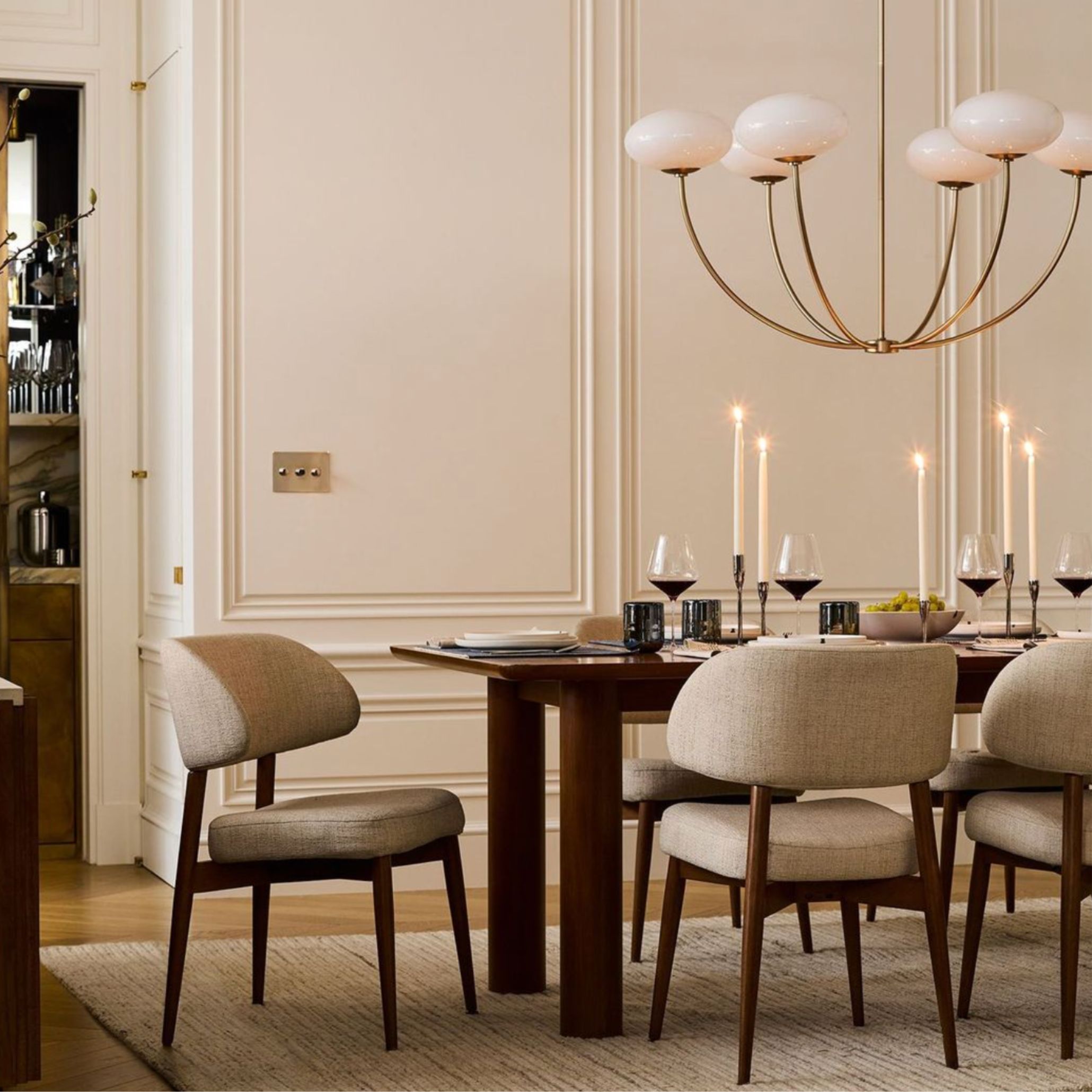
- Transitional Elegant Dining Room | Source: Pinterest
-
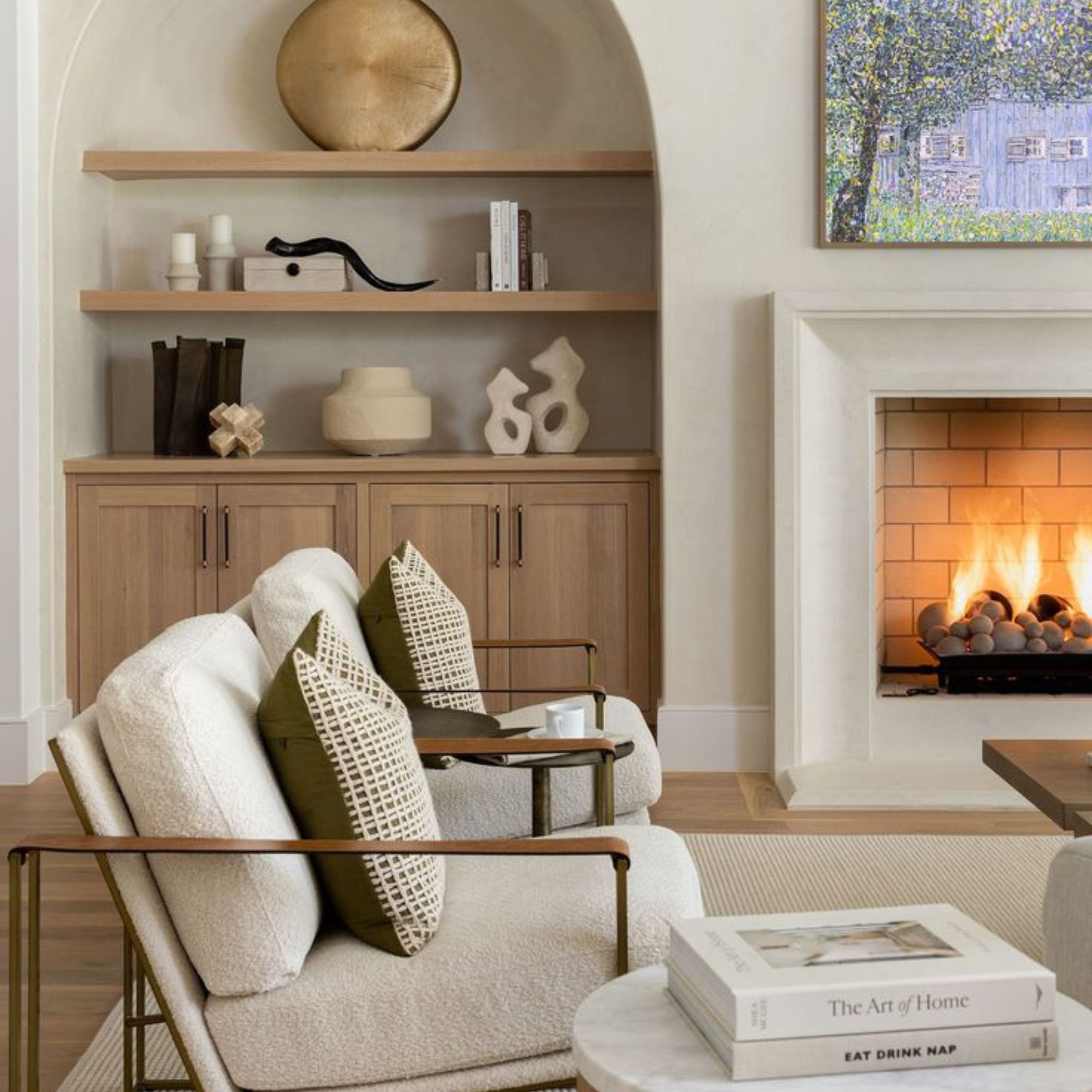
- Warmly Layered Transitional Style Living Room | Source: Pinterest
Transitional Interior Design is ultimately about creating homes that feel balanced and deeply personal. By combining classic comfort with contemporary clarity, Transitional Design offers interiors that evolve gracefully, spaces where beauty is felt rather than announced, and where every detail contributes to a lasting sense of harmony.