How Cultural Rituals Shape Wellness Architecture
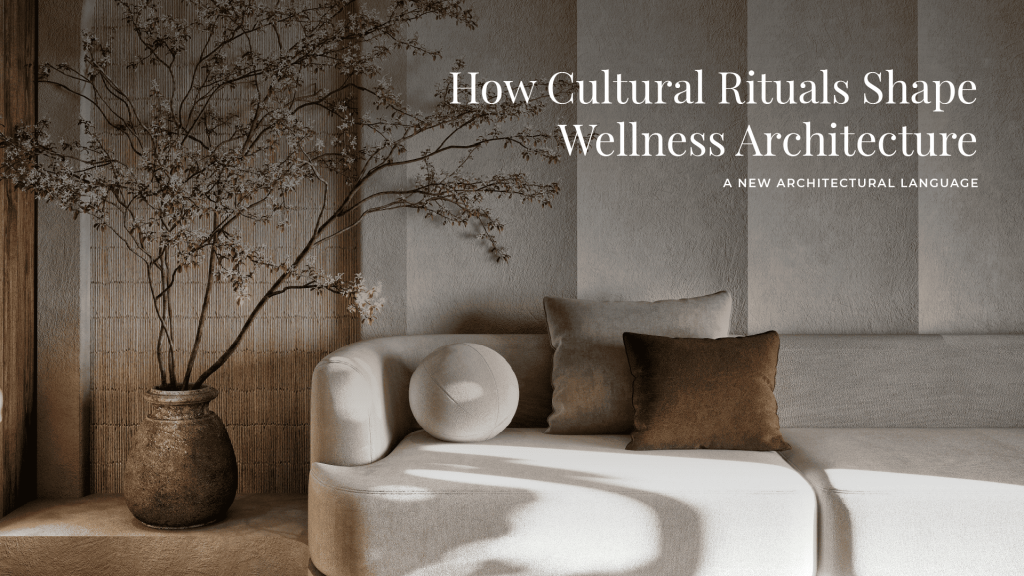
Wellness has become one of the most defining aspirations of contemporary living. Yet the idea of designing for wellness is not new. Across centuries and continents, cultures have created rooms where rituals nurture the body, calm the mind, and restore balance with nature. These traditions are now shaping a new architectural language known as wellness architecture.
Today, architects and designers are rediscovering how cultural rituals guide the creation of meaningful wellness spaces. From the quiet immersion of a Japanese Onsen, to the communal warmth of a Nordic Sauna, and the luminous chambers of Moroccan hammams, these environments reflect traditions that place wellbeing at the centre of daily life.
This article explores how wellness culture influences architecture and interior design, revealing how ancient rituals continue to shape contemporary wellness design. Through global examples and practical ideas, it reveals how cultural traditions inspire spaces that support cultural wellness, encourage social wellness, and reconnect people with nature. Wellness architecture is becoming the core of how we imagine healthier homes and interiors with thoughtfully selected luxury furniture.
-
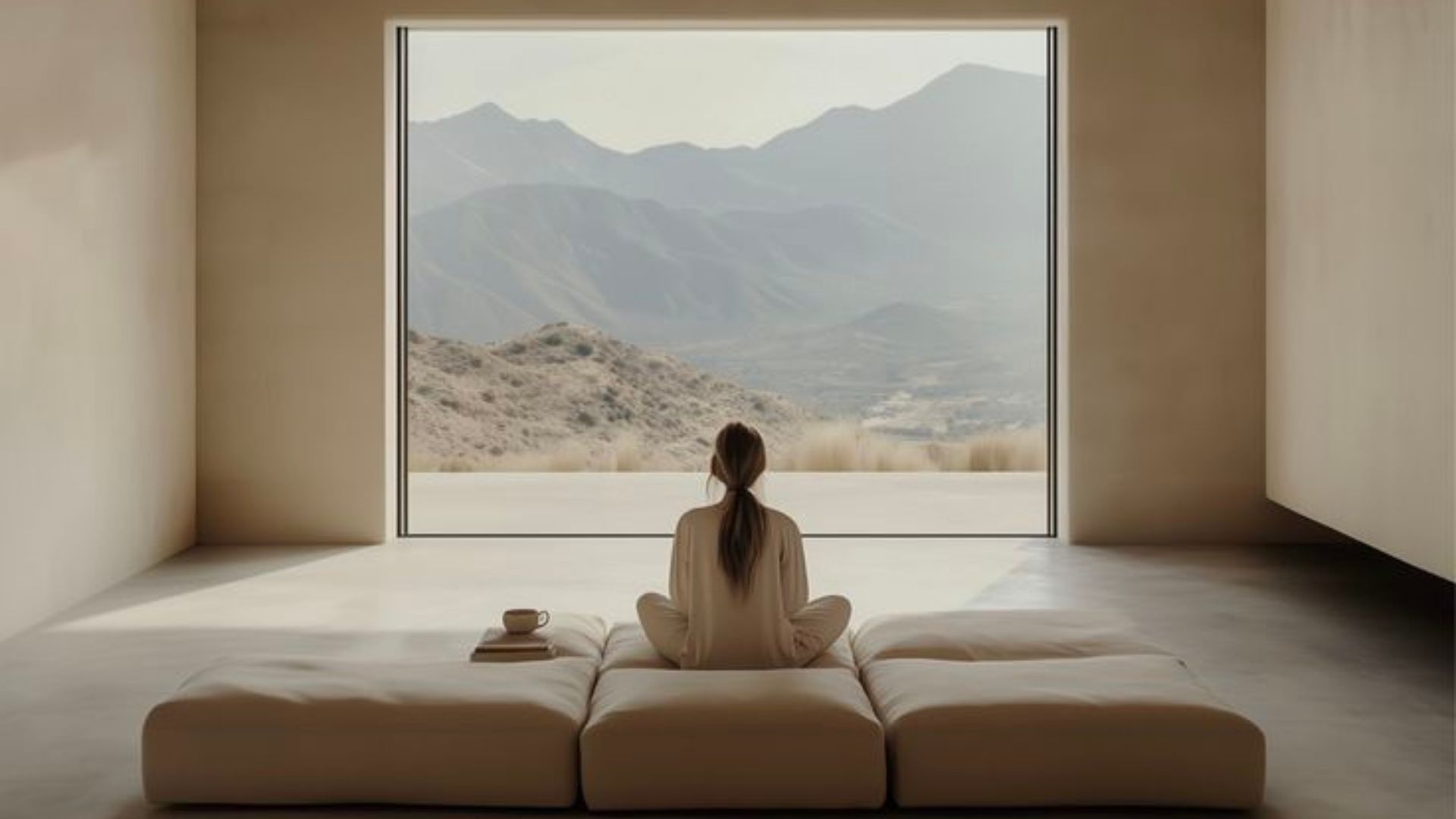
- Minimalist Wellness Room | Source: Pinterest
What Is Wellness Architecture?
Wellness architecture is the design philosophy that places human wellbeing at the core of the built environment. It focuses on creating spaces that support physical health, emotional balance, and mental clarity through thoughtful architecture and interior design.
At its essence, wellness design fuses architecture with the principles of health, nature, and sensory comfort. Instead of focusing only on aesthetics or function, wellness architecture considers how light, materials, air, sound, and spatial organisation influence the experience of living within a space. The goal is to cultivate wellness spaces that nurture the body while calming the mind.
This approach has emerged alongside the growing global awareness of wellness culture, where individuals seek environments that encourage rest, reflection, and balance. Within this perspective, cultural wellness plays an important role, as designers look at lasting cultural rituals that have guided how communities experience and nurture wellness.
-
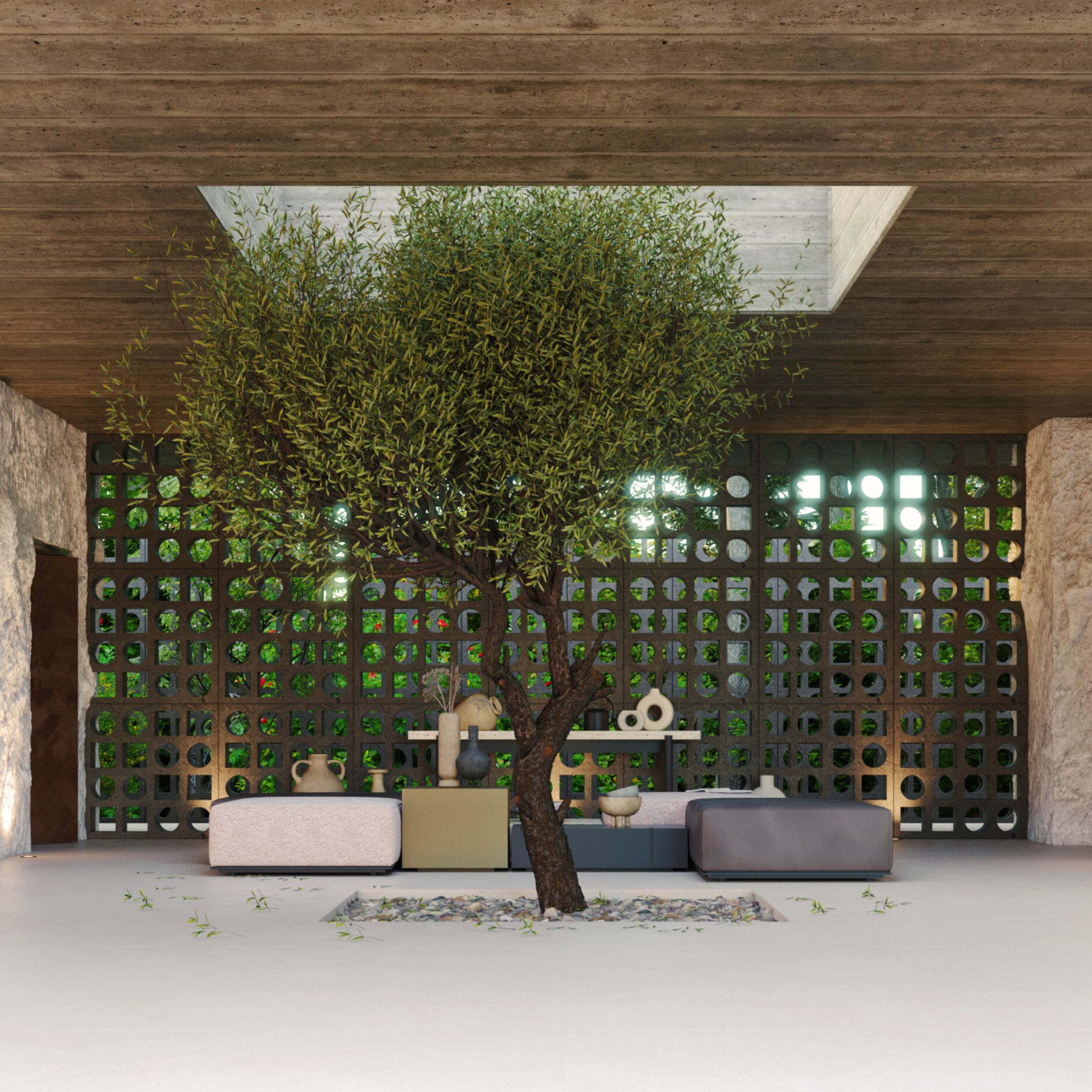
- Indoor Outdoor Wellness Space
-
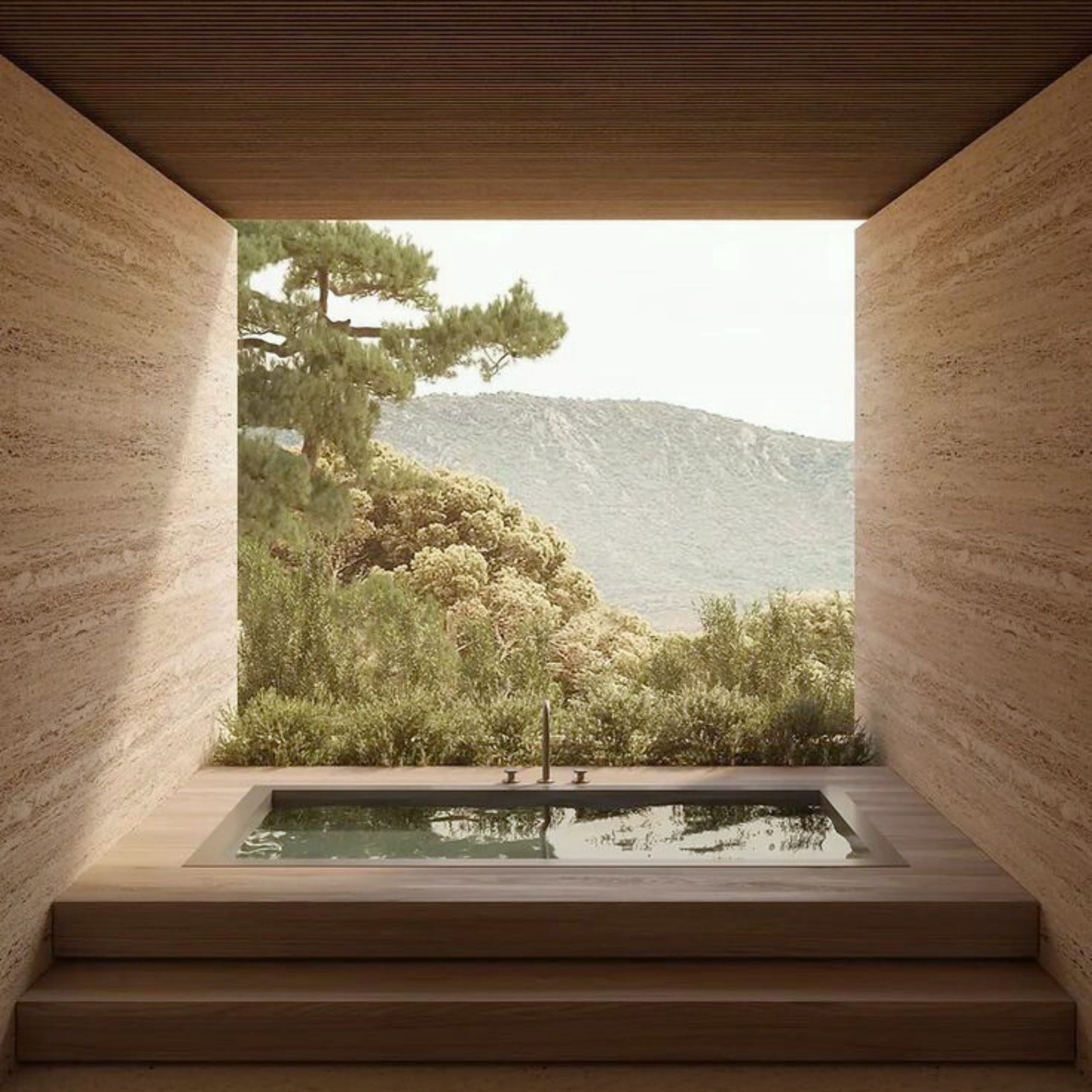
- Minimalist Nature Framed Bathing Space | Source: Pinterest
Why Culture and Ritual Matter in Wellness Design
Across civilizations, cultural rituals have shaped how people experience rest, purification, and renewal. These traditions are deeply connected to places and communities, forming the roots of what we now call wellness culture.
Modern wellness architecture increasingly draws inspiration from these traditions. Rituals bring meaning to spaces. They transform architecture from a simple structure into an environment where wellbeing becomes part of daily life.
In many cultures, rituals are inseparable from the spaces designed for them. The act of bathing, gathering, meditating, or resting becomes a sequence that architecture carefully supports. This relationship is essential to wellness design, where spatial organisation guides the experience.
When designers explore cultural wellness, they encounter wisdom carried through generations. Within these traditions, materials, light, water, and temperature come together to shape how the body rests and restores itself. At the same time, these rituals celebrate the strength of community, nurturing social wellness and giving meaning to the wellness spaces where shared moments unravel.
By embracing these cultural insights, wellness architecture moves beyond aesthetics. It becomes a bridge between tradition and contemporary living, where design honours rituals that have long supported human wellbeing.
-
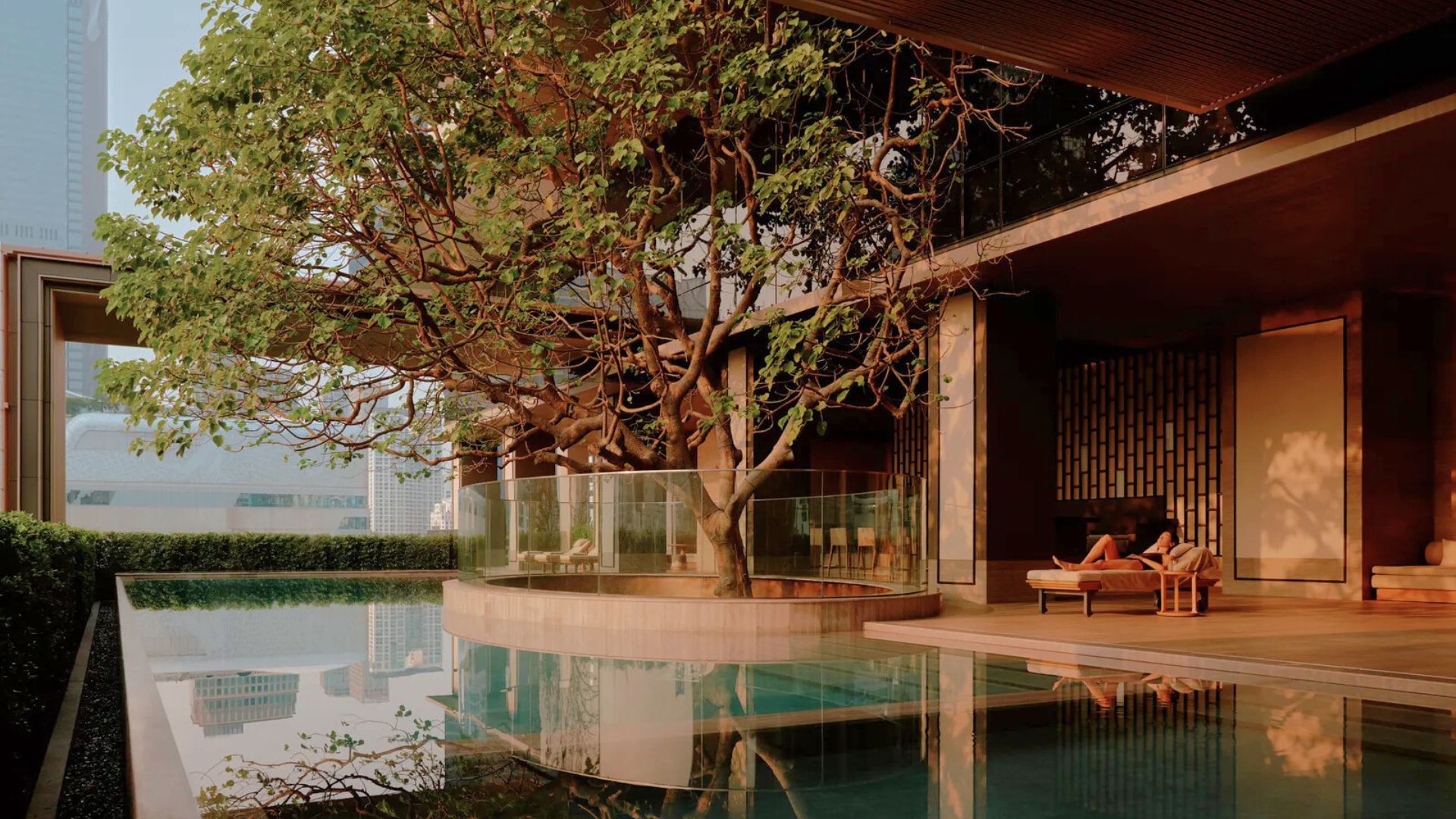
- Wellness Lounge at Aman Nai Lert Bangkok | Source: Aman
Japanese Onsen Architecture and the Ritual of Water
Few traditions express wellness architecture as uniquely as the Japanese Onsen. Rooted in centuries of bathing rituals, these hot spring environments portray the Japanese philosophy that wellness arises from harmony with nature.
The architecture of a Japanese Onsen guides a sequence of purification and immersion. Visitors move from changing rooms to cleansing areas before entering the thermal baths, reflecting the cultural understanding that wellness unfolds through mindful preparation. Materials like wood, stone, and water merge gracefully, while large openings frame surrounding landscapes, allowing nature to become part of the experience.
Beyond relaxation, the Japanese Onsen represents a deeper expression of wellness culture. Bathing is a ritual rooted in respect for nature and community, embodying cultural wellness and the timeless relationship between water and human wellbeing.
-
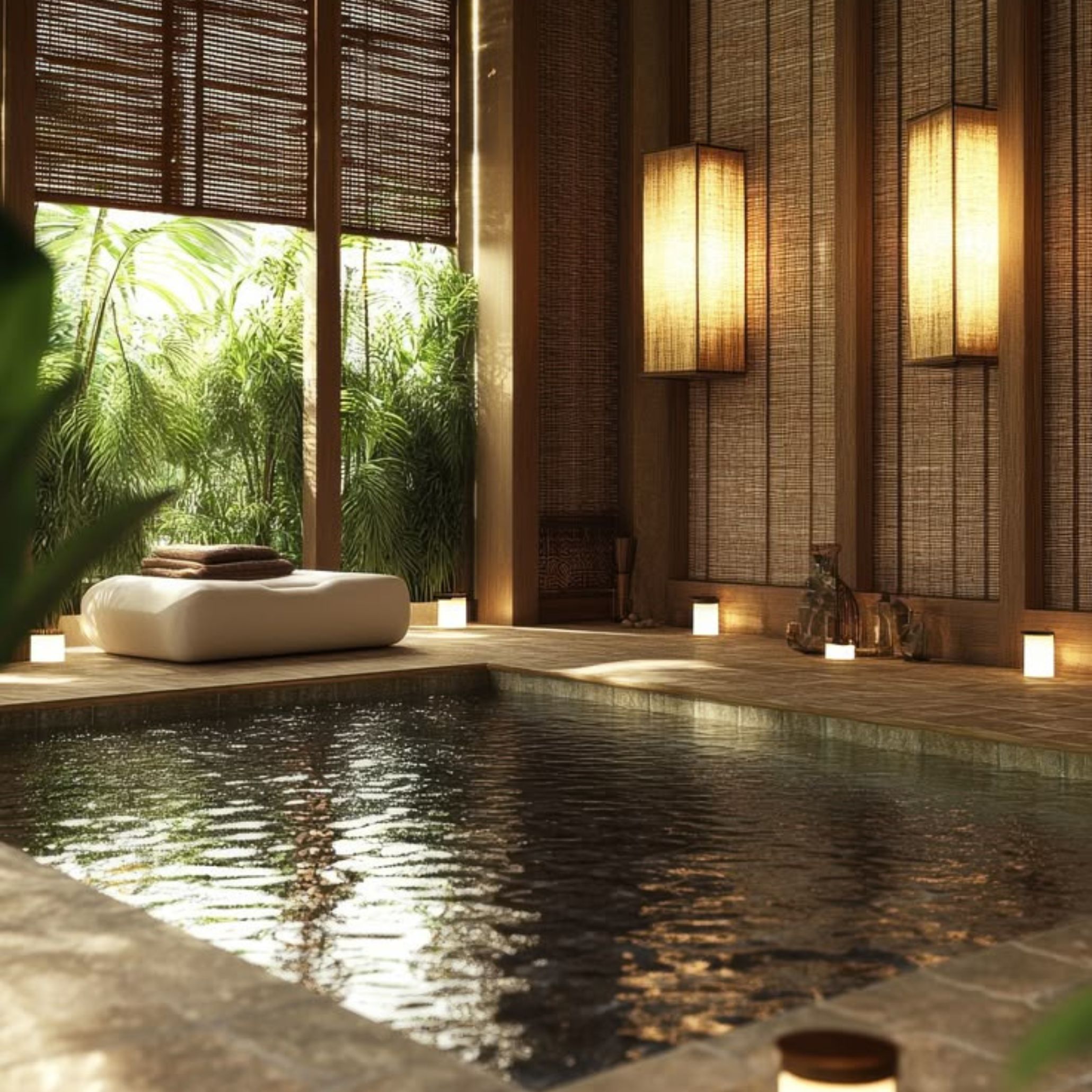
- Japanese Onsen Indoor Spa | Source: Pinterest
-
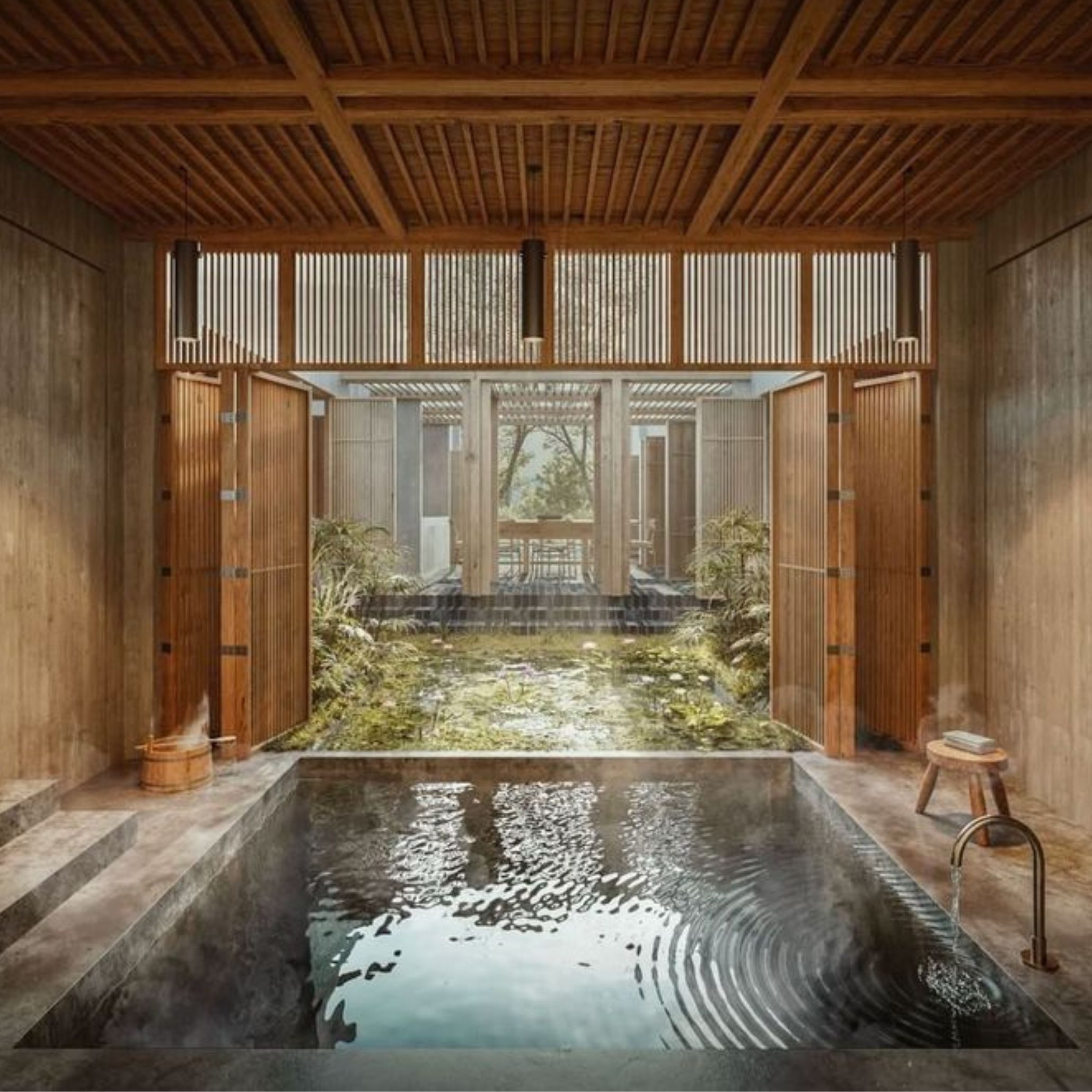
- Traditional Japanese Onsen Setting | Source: Pinterest
Nordic Sauna Culture and Social Wellness Spaces
In Nordic countries, the Nordic Sauna represents a powerful expression of wellness culture. For centuries, sauna rituals have been part of daily life in Finland, Sweden, and Norway, where heat, steam, and rest support both health and community.
Saunas are designed with simplicity and intention. Wooden interiors, controlled heat, and balanced ventilation create spaces where the body can release tension, while seating arrangements and small windows frame the surrounding landscape to strengthen the connection with nature.
Sauna rituals also highlight social wellness, as families and friends gather within these warm chambers, sharing conversations while embracing moments of rest. Modern interpretations, from lakeside retreats to urban wellness spaces, continue to honor these traditions, revealing how wellness architecture can foster relationships through warmth and shared experience.
-
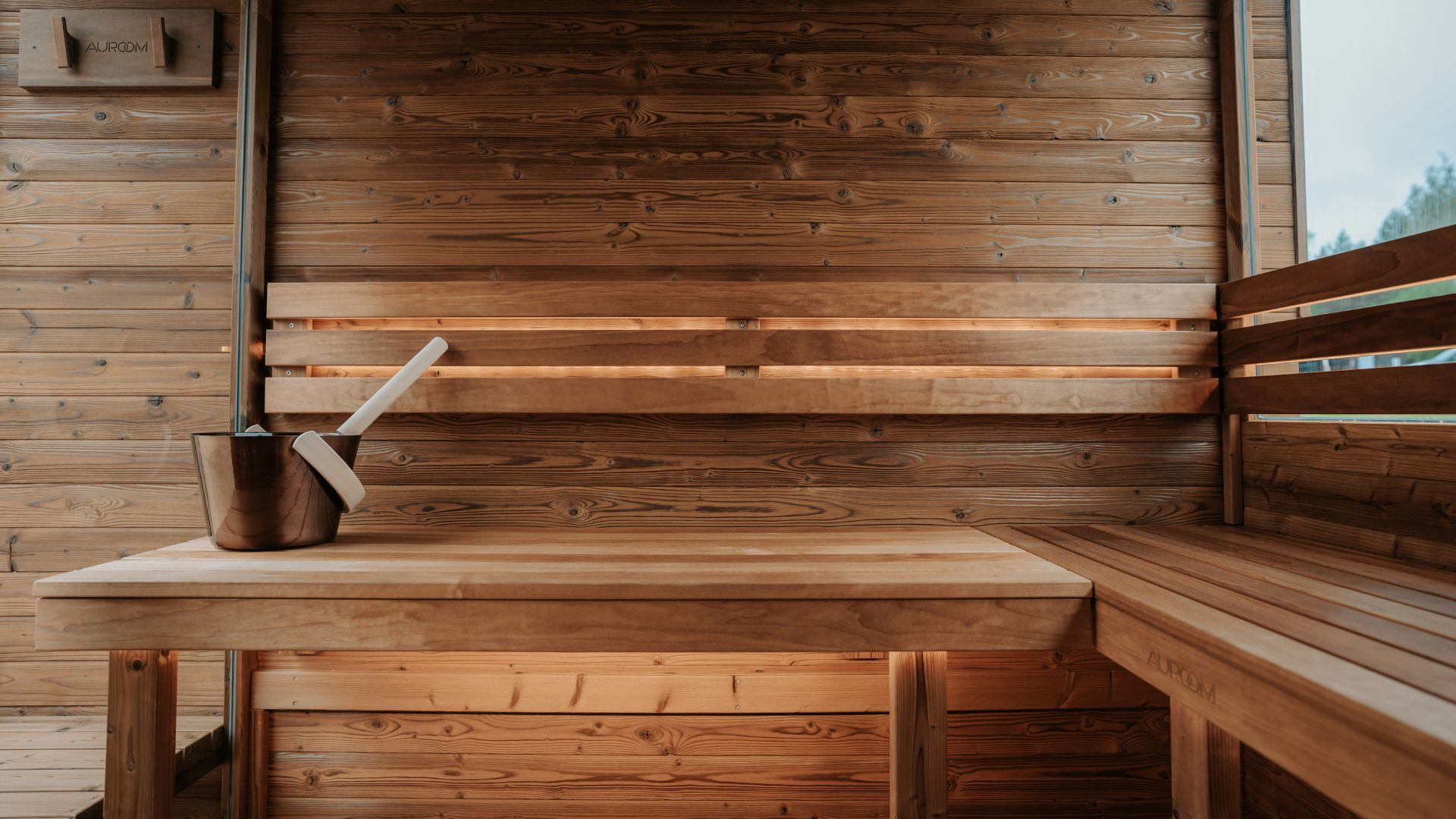
- Nordic Wooden Sauna Interior
Moroccan Hammams and the Architecture of Light
In Morocco, the hammam represents a centuries old ritual where purification and relaxation take shape within carefully designed spaces. These bathhouses are powerful examples of wellness architecture shaped by tradition and climate.
The layout of a hammam guides visitors from cooler rooms to steam filled chambers, allowing the body to adapt gradually. This progression demonstrates how wellness design can orchestrate experience through movement, temperature, and sensory awareness.
Light is central to the hammam experience. Sunlight entering through small domed openings creates shifting patterns, transforming the space into a luminous retreat. Through stone, water, and light, the hammam embodies cultural wellness and the sensory richness that defines wellness spaces.
-
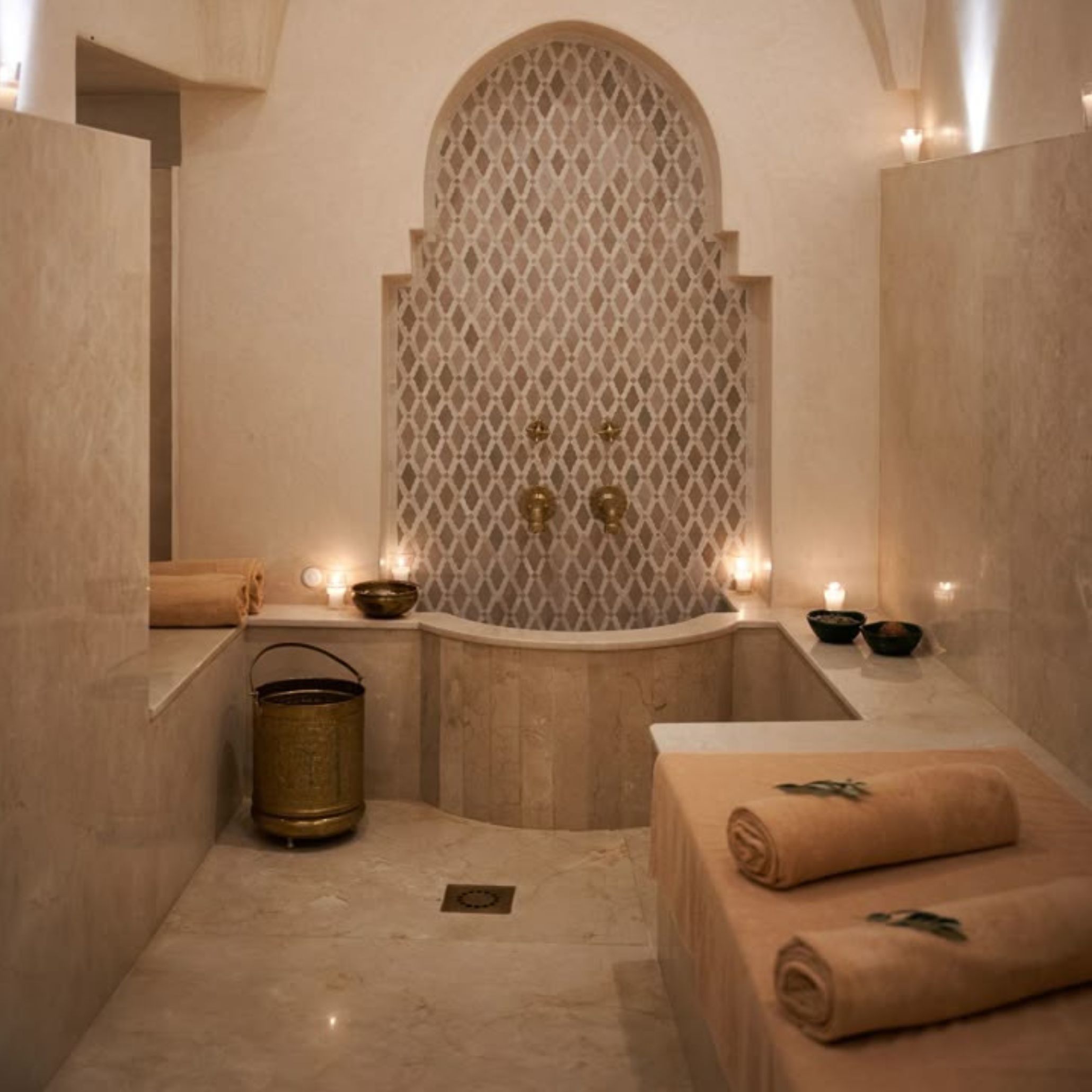
- Traditional Moroccan Hammam Interior | Source: Pinterest
-
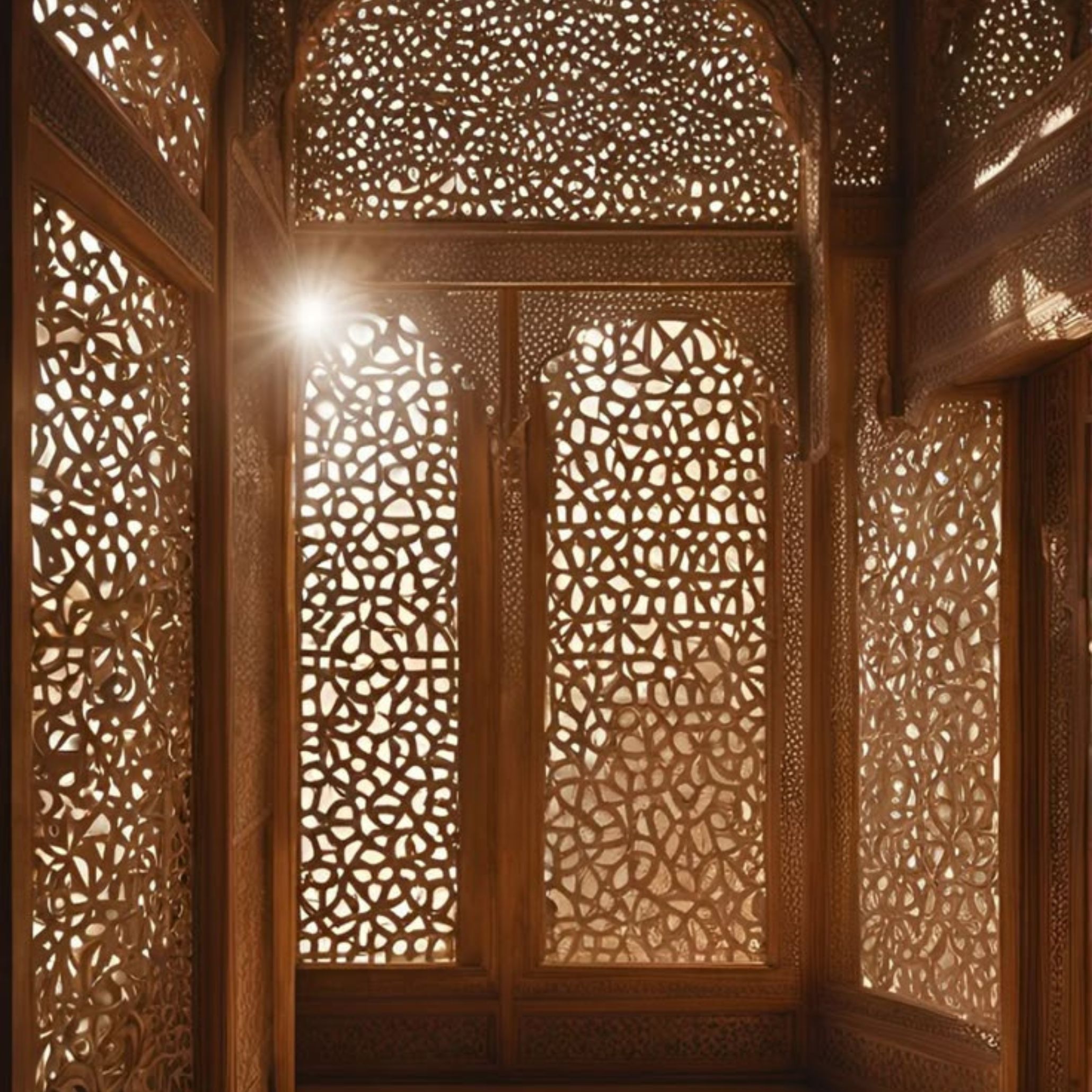
- Moroccan Jali Screen and Architecture of Light | Source: Pinterest
Indigenous Rituals and Desert Wellness Architecture in the U.S.
Across the deserts of the United States, indigenous traditions have long shaped forms of desert wellness that continue to inspire wellness architecture today. These practices often centre on nature, spiritual balance, and mindful reflection, offering lessons in how architecture can support both the body and mind.
Ceremonial spaces for meditation, prayer, and community gatherings highlight the power of cultural rituals in shaping wellness spaces. Open-air circles, shaded alcoves, and quiet desert clearings harness light, materials, and the natural flow of the landscape to create environments where peace and contemplation are as vital as physical comfort.
Modern interpretations of desert wellness architecture draw inspiration from these traditions. Retreat centres and residential projects often integrate natural stone, shaded courtyards, and water features to create contemplative environments that respond to the desert climate. The vast landscape itself becomes part of the design, with open views, earthy materials, and gentle light reinforcing a connection between architecture and nature. Wellness design emerges through reflection and mindful interaction with the surroundings.
-
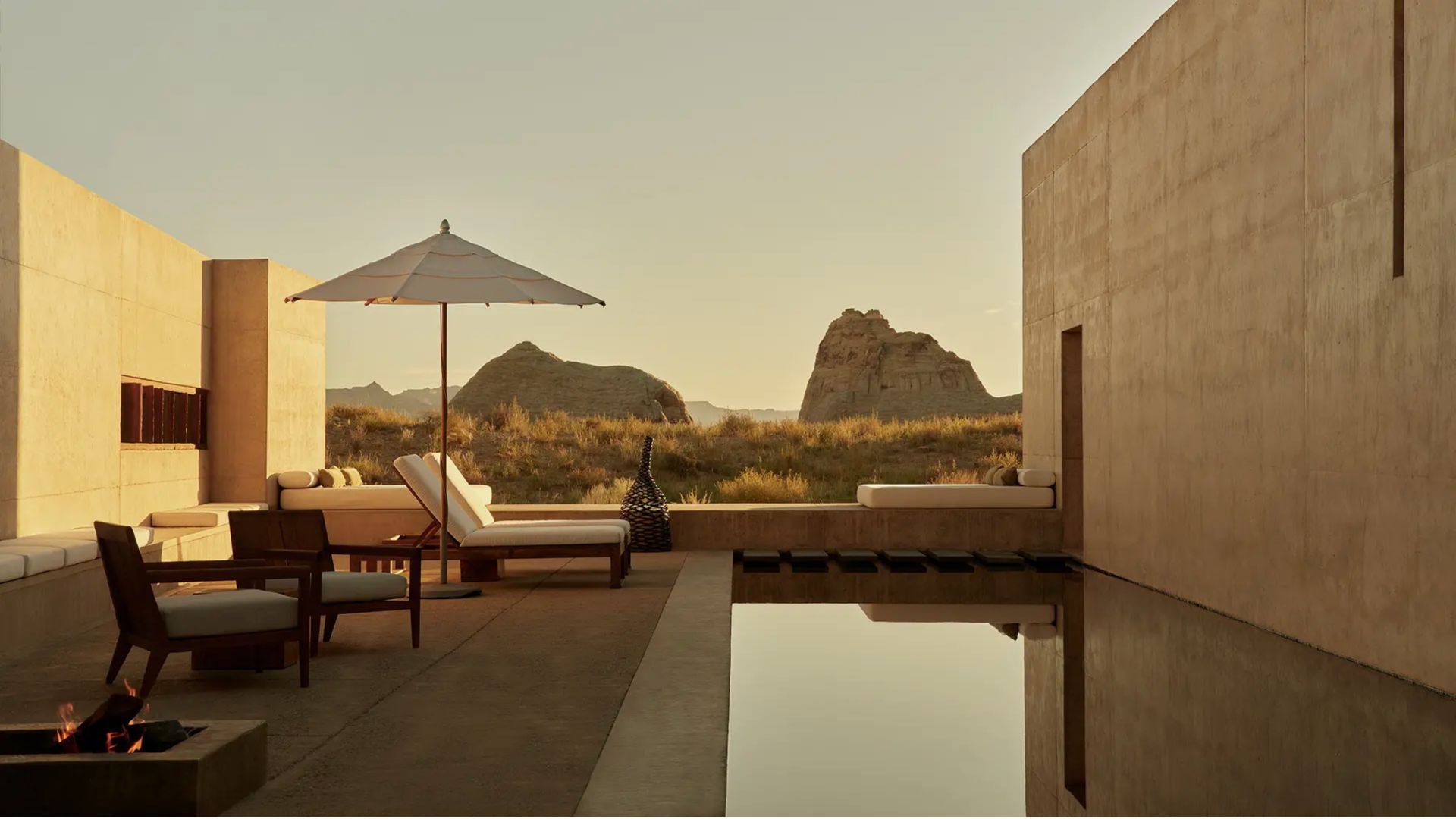
- Modern Desert Wellness Architecture | Source: Aman
How to Incorporate Wellness Architecture Principles Into Your Home
While many iconic wellness spaces exist in spas and retreats, the principles of wellness architecture can also transform residential homes, offices, and other interior design projects. Through thoughtful design choices, interior designers can create environments that reflect the essence of wellness culture while supporting daily rituals and integrating luxury furniture.
Use Natural Materials
Natural materials are central to wellness design. Stone, wood, and organic textiles create spaces that feel grounded and authentic.
An accent piece such as the Stone Side Table introduces the timeless presence of natural material into an interior. Its tactile surface reflects the essence of wellness architecture, where material honesty connects the home furniture with nature. Within living spaces, stone elements bring a sense of permanence that supports emotional balance.
-
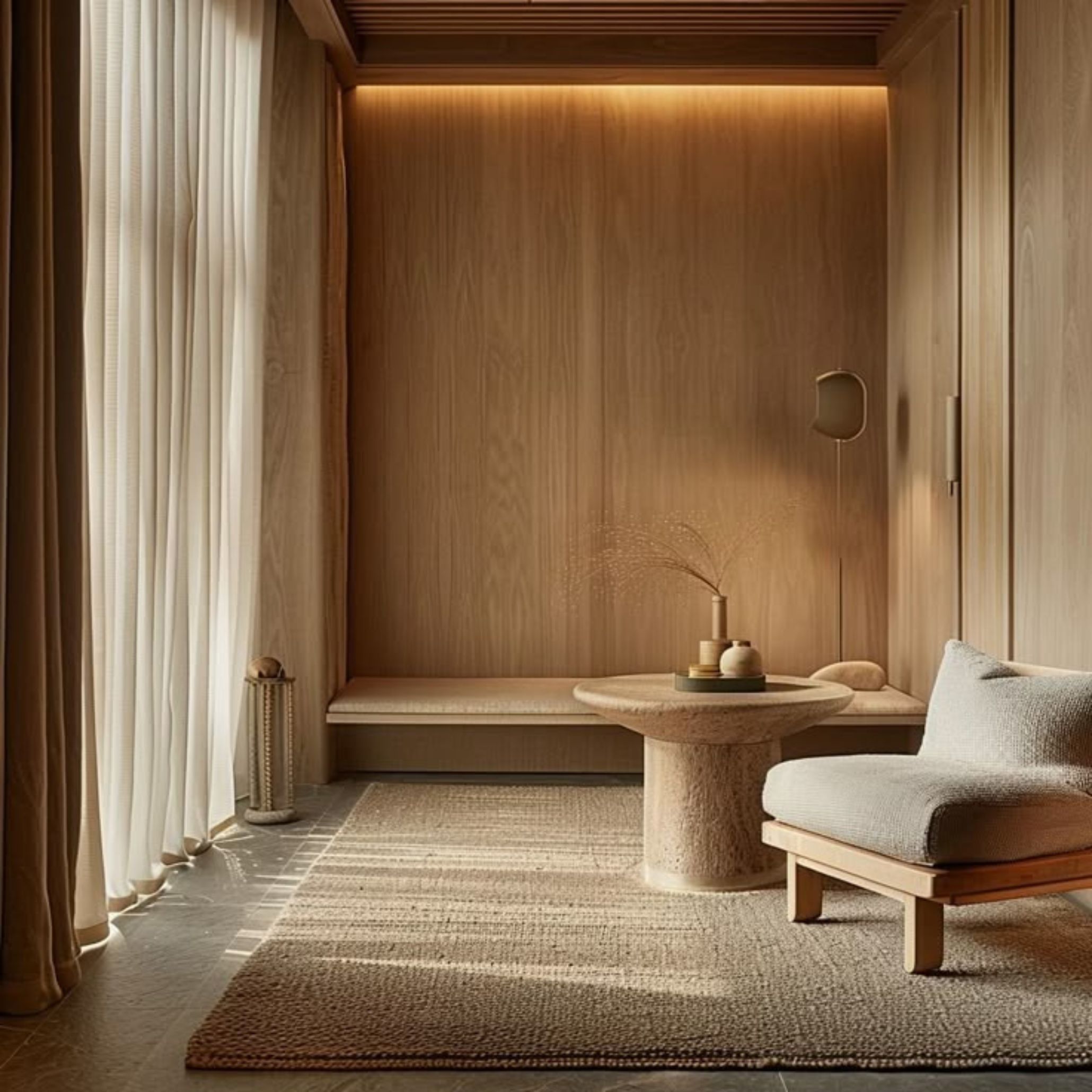
- Serene Wellness Interior | Source: Pinterest
-
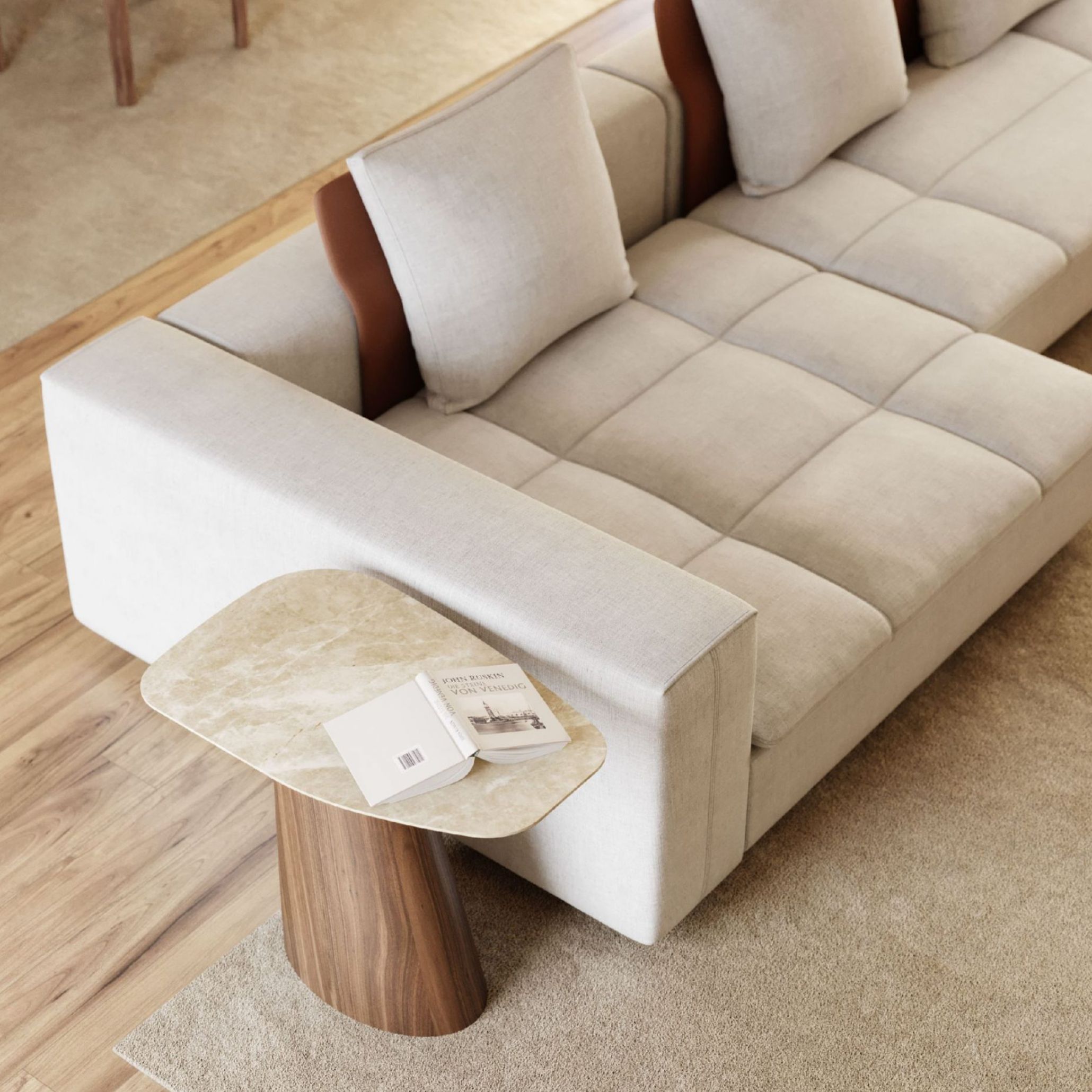
- Contemporary Living Room with Stone Side Table
Design for Ritual
Daily rituals are the heart of wellness culture. Reading, meditating, or enjoying a quiet moment can become meaningful practices when supported by thoughtful design.
Creating a dedicated corner with the Margem Armchair or the Ripa Armchair invites moments of pause within the home. These pieces help shape intimate wellness spaces where reflection flows naturally. In this context, modern furniture becomes part of a ritual that nurtures personal wellness.
-
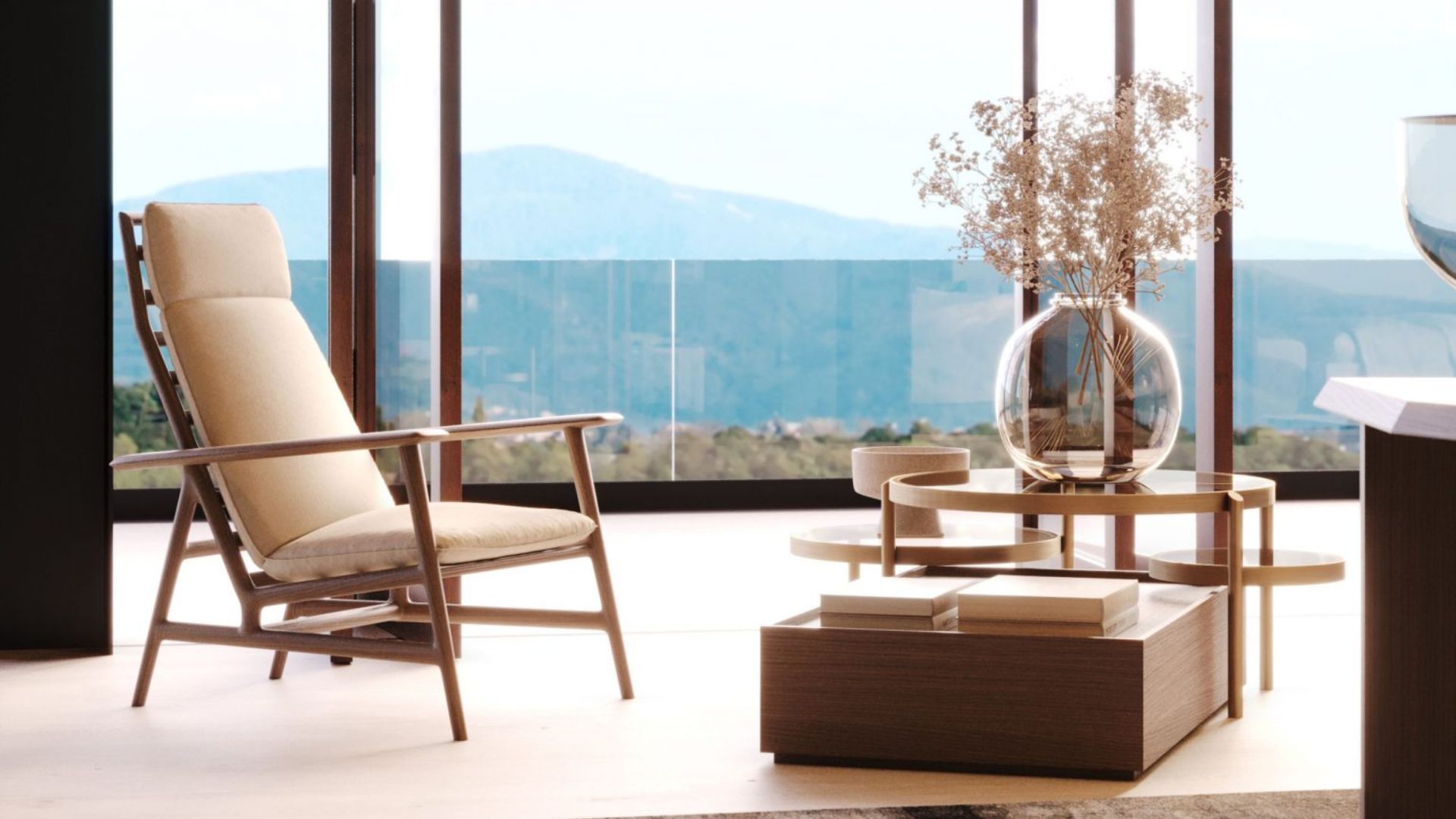
- Wellness Reading Corner with Ripa Armchair
Prioritize Light and Airflow
Light and fresh air are essential to wellness architecture. Large windows, open layouts, and breathable materials allow natural elements to flow through the home.
By guiding sunlight throughout the day, interiors become environments that support the body’s natural cycles of energy and rest. This connection with natural cycles strengthens both wellness design and everyday comfort.
-
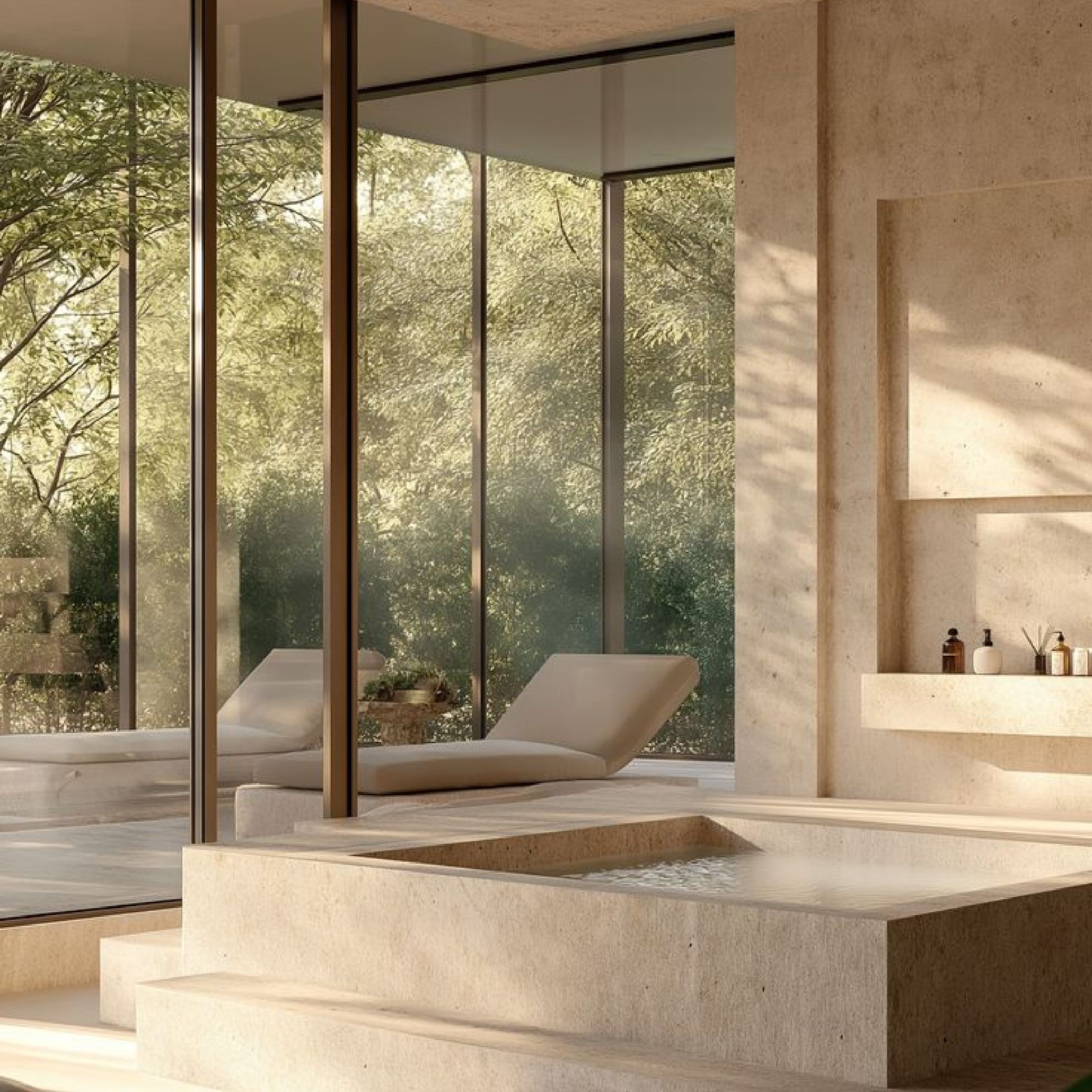
- Light Filled Wellness Spa Interior | Source: Pinterest
-
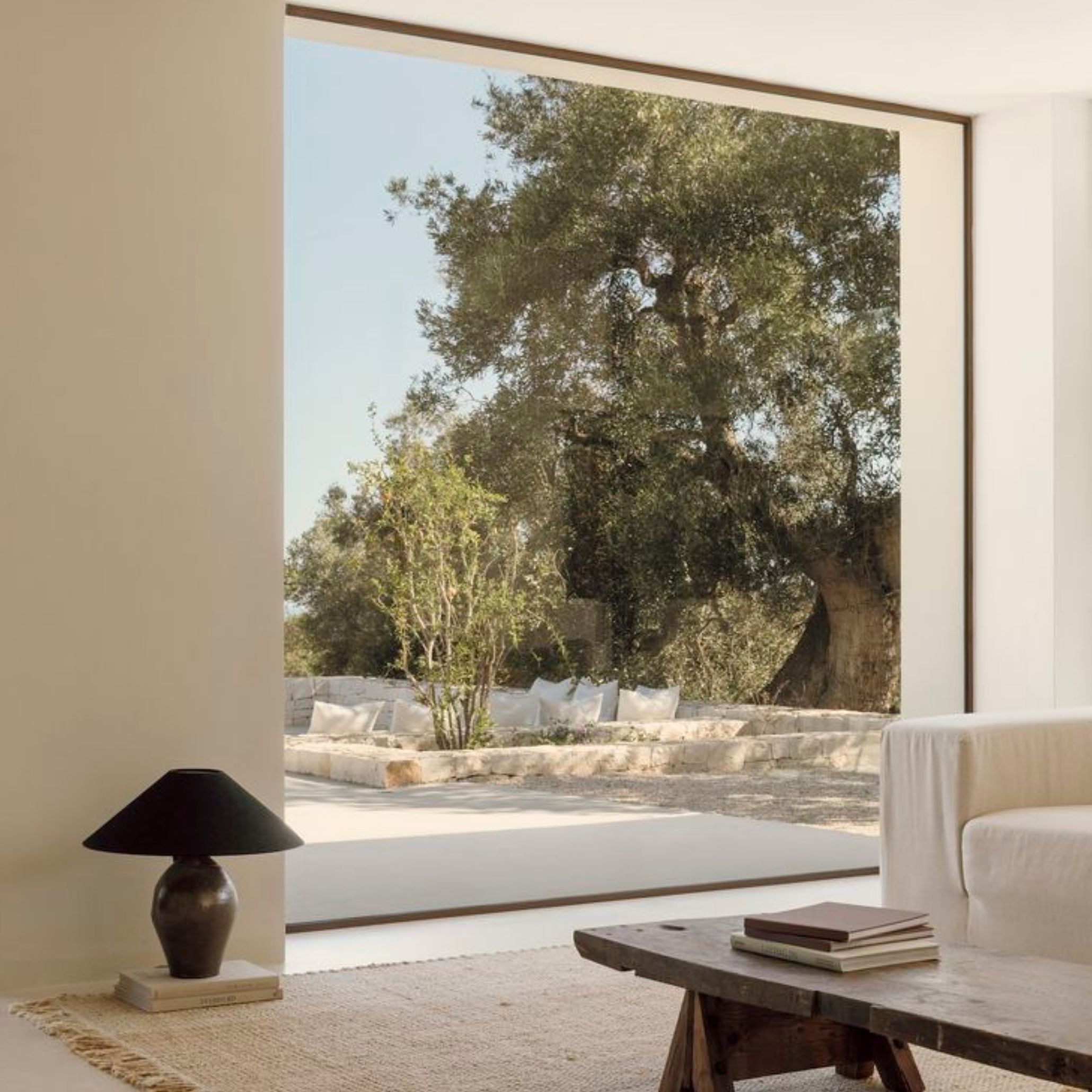
- Bright Indoor Outdoor Wellness Living Space | Source: Pinterest
Create Sensory Experiences
Sensory design plays a crucial role in shaping wellness spaces. Texture, sound, and scent influence how people feel within a room.
A comfortable seating area anchored by the Cotton Sofa introduces tactile richness and enveloping comfort through its soft, textured boucle upholstery. Its inviting presence encourages relaxation, reinforcing the idea that wellness architecture should engage the senses while supporting emotional calm.
-
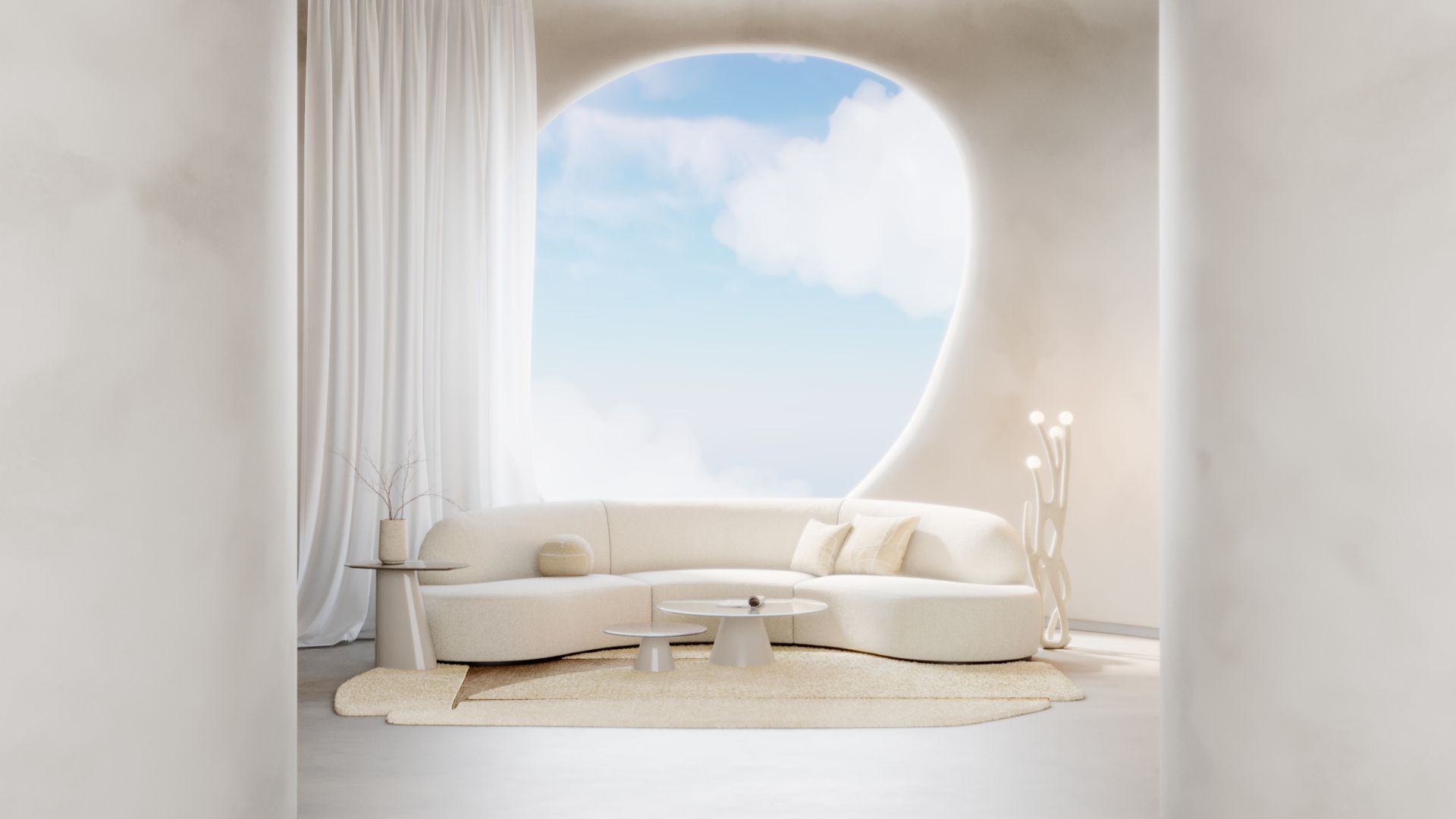
- Wellness Architecture Interior with the Cotton Sofa
Introduce Water and Nature Elements
Water has always been central to cultural rituals and wellness culture. From the Japanese Onsen to hammams and saunas, water creates moments of renewal.
In residential design, fountains, indoor gardens, or views toward natural landscapes can evoke the same restorative atmosphere. These elements strengthen the relationship between wellness, nature, and the built environment.
-
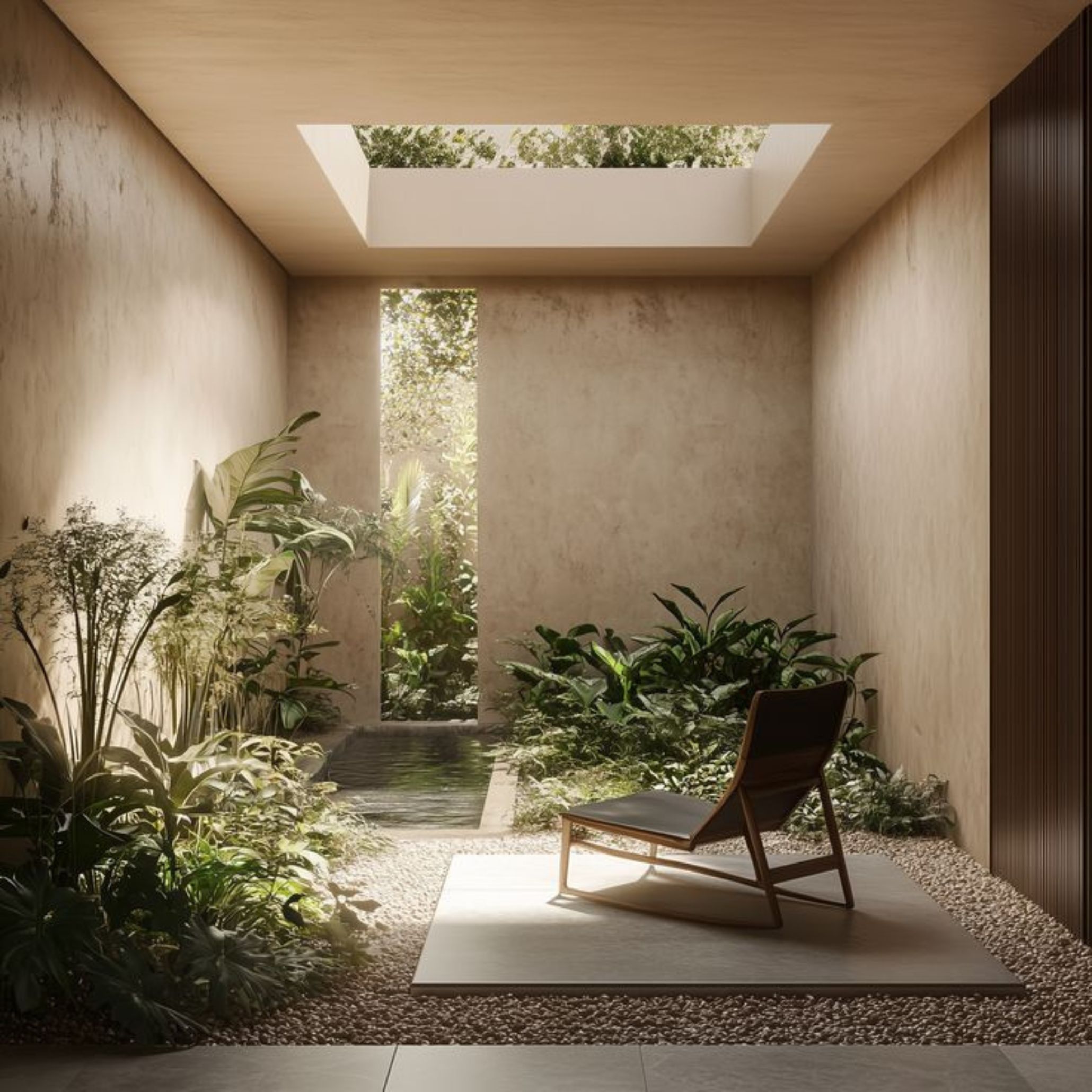
- Indoor Wellness Garden With Water Feature | Source: Pinterest
-
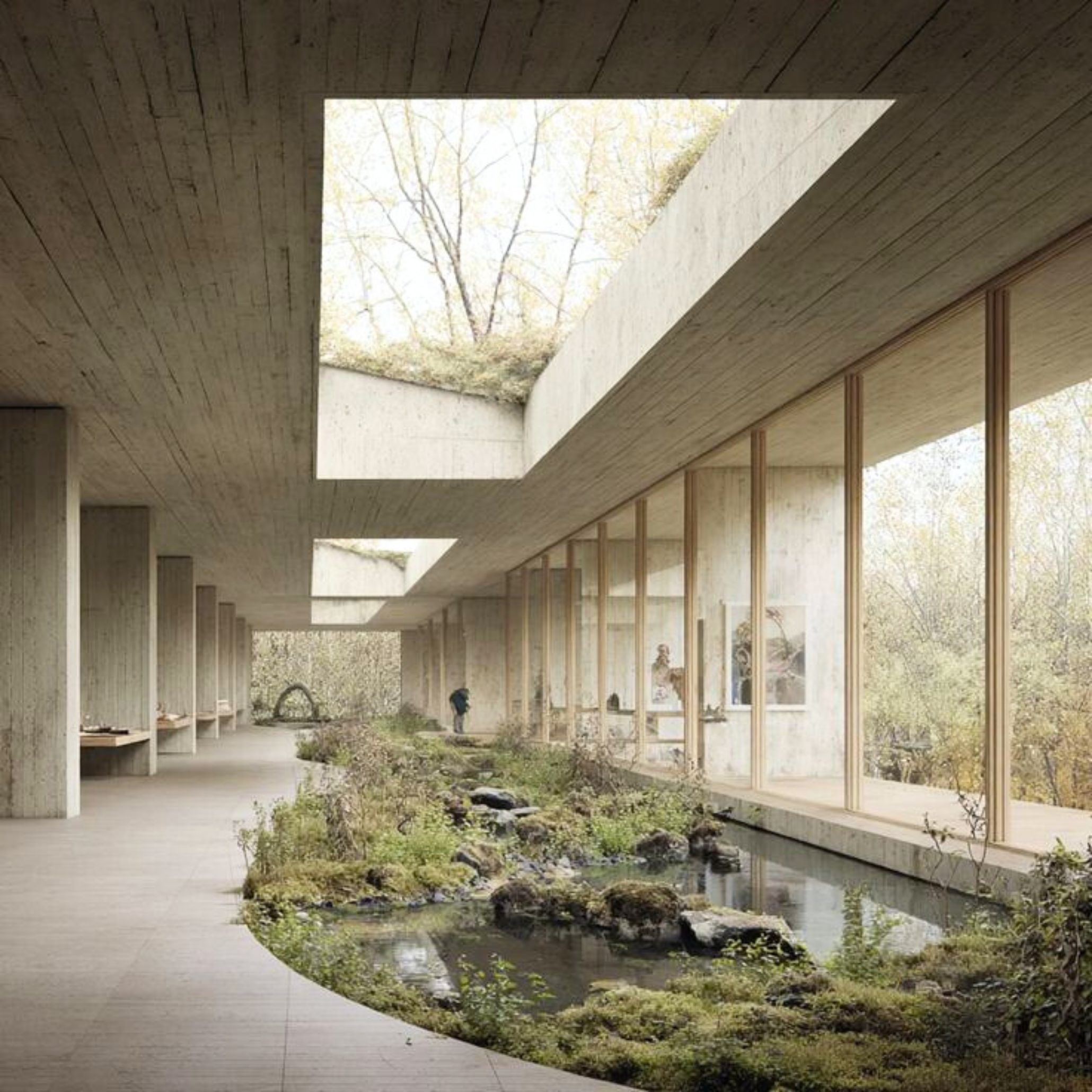
- Biophilic Wellness Architecture Interior | Source: Pinterest
Across cultures and centuries, architecture has always been shaped by rituals that nurture human wellbeing. From the serene immersion of the Japanese Onsen to the warmth of the Nordic Sauna and the luminous chambers of Moroccan hammams, these traditions reveal how wellness architecture evolves from cultural rituals.
Today, designers continue to explore how wellness culture and social wellness influence contemporary wellness design. By learning from these traditions, architects are creating wellness spaces that reconnect people with nature, community, and themselves.
Wellness architecture invites intentional living, shaping environments that reflect care, harmony, and the quiet renewal of mind and body.