Børge Mogensen | Master of Danish Modern Furniture
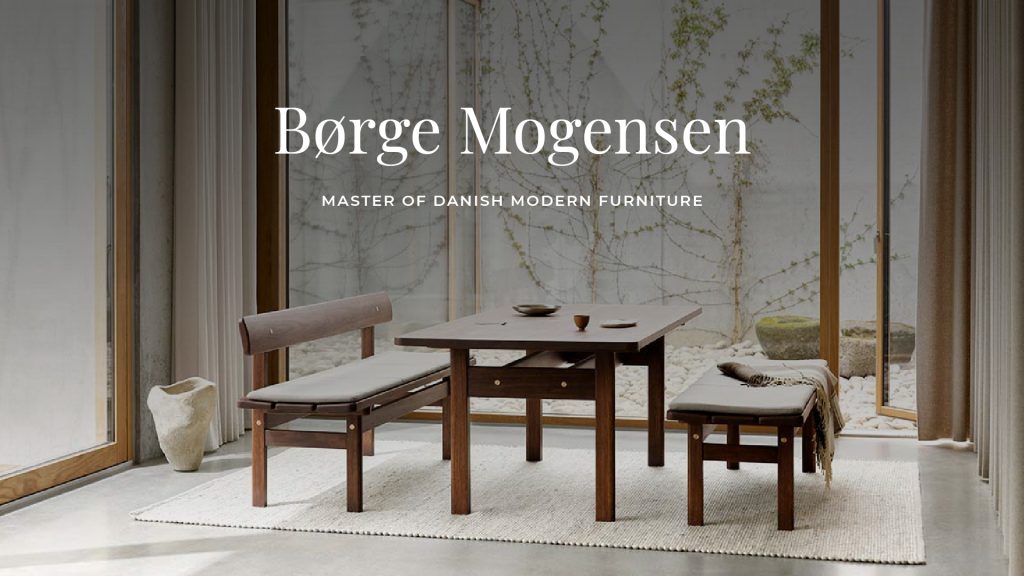
Some designers create objects. Others shape a culture. Børge Mogensen belongs to the latter. Børge Mogensen stands among the most influential figures in Danish modern furniture, shaping a vision of design grounded in honesty and comfort. His work sought balance, furniture that could live naturally within a room and, more importantly, within people’s lives.
From his early training as a cabinetmaker in Denmark to founding Fredericia Furniture, his legacy continues to shape how we understand Danish modern furniture today: human, lasting, and confident.
This article revisits Børge Mogensen’s life and philosophy, exploring his defining works, and studies on how his vision lives on through contemporary interpretations such as the Ripa Armchair.
-
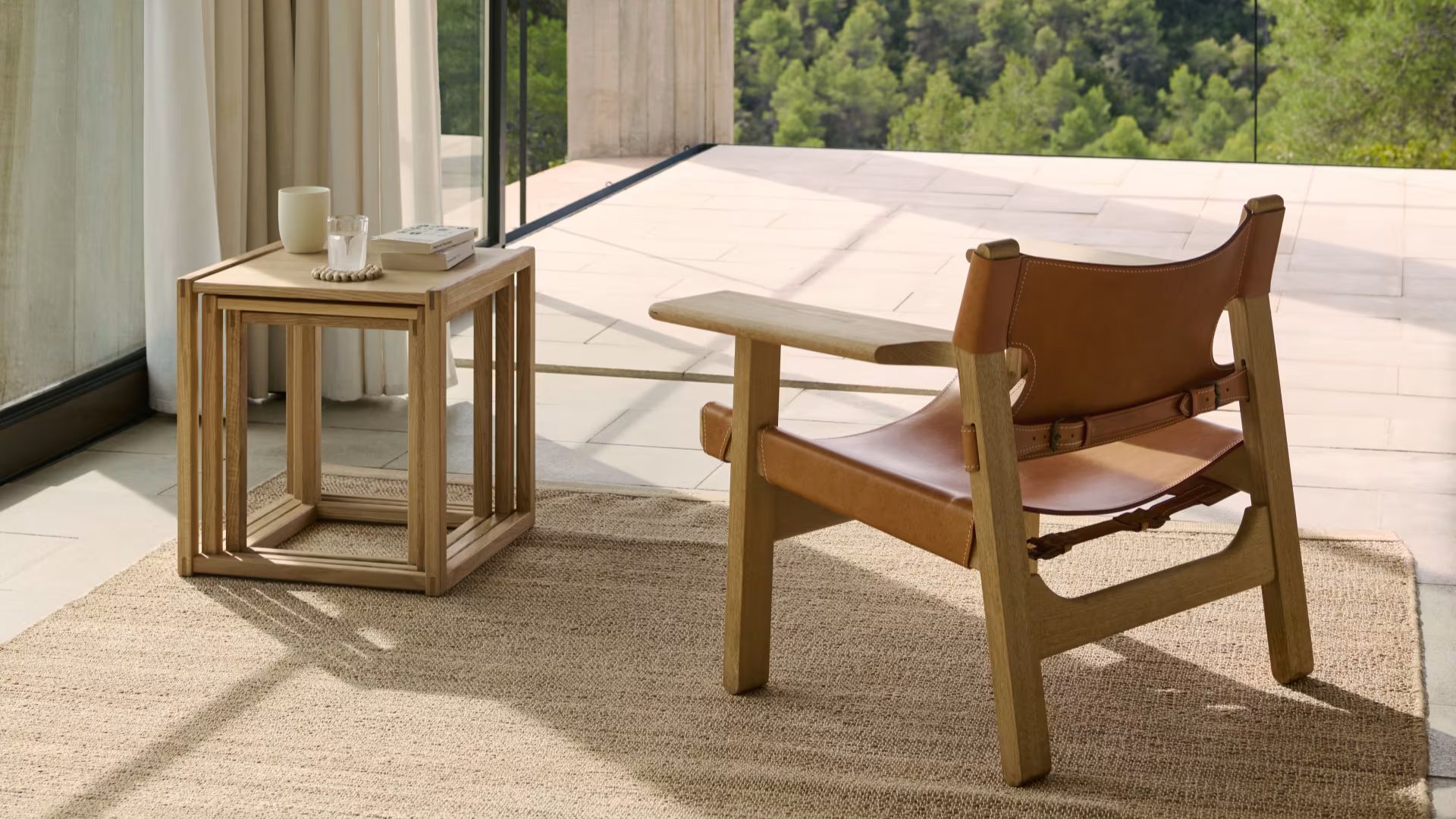
- Børge Mogensen Furniture Design | Source: Pinterest
Who Is Børge Mogensen?
Børge Mogensen was born in Aalborg, Denmark, in 1914, and would become one of the main voices of Danish modern furniture. Before entering the world of design, he trained as a cabinetmaker, an education that instilled in him a lasting respect for structure, joinery, and material honesty. This early formation shaped Børge Mogensen design in a decisive way, where every joint and every choice of wood carried intention.
Later he studied at the Copenhagen School of Arts and Crafts and at the Royal Danish Academy of Fine Arts, where he was taught by Kaare Klint. Under this rigorous mentorship, Børge Mogensen perfected his understanding of function and human scale. These formative years laid the intellectual foundation for Børge Mogensen furniture, which would later become synonymous with the clarity and integrity of Danish modern furniture.
A defining milestone in his career came in 1947 with the design of the J39 Chair, often referred to as “The People’s Chair.” With its simple wooden frame and woven paper cord seat, it outlined his belief that Danish modern furniture should be durable and created for everyday life. In 1950, he opened his own studio and soon began collaborating with Fredericia Furniture. From 1955 onward, this partnership brought many of his most iconic works into production and international recognition.
-
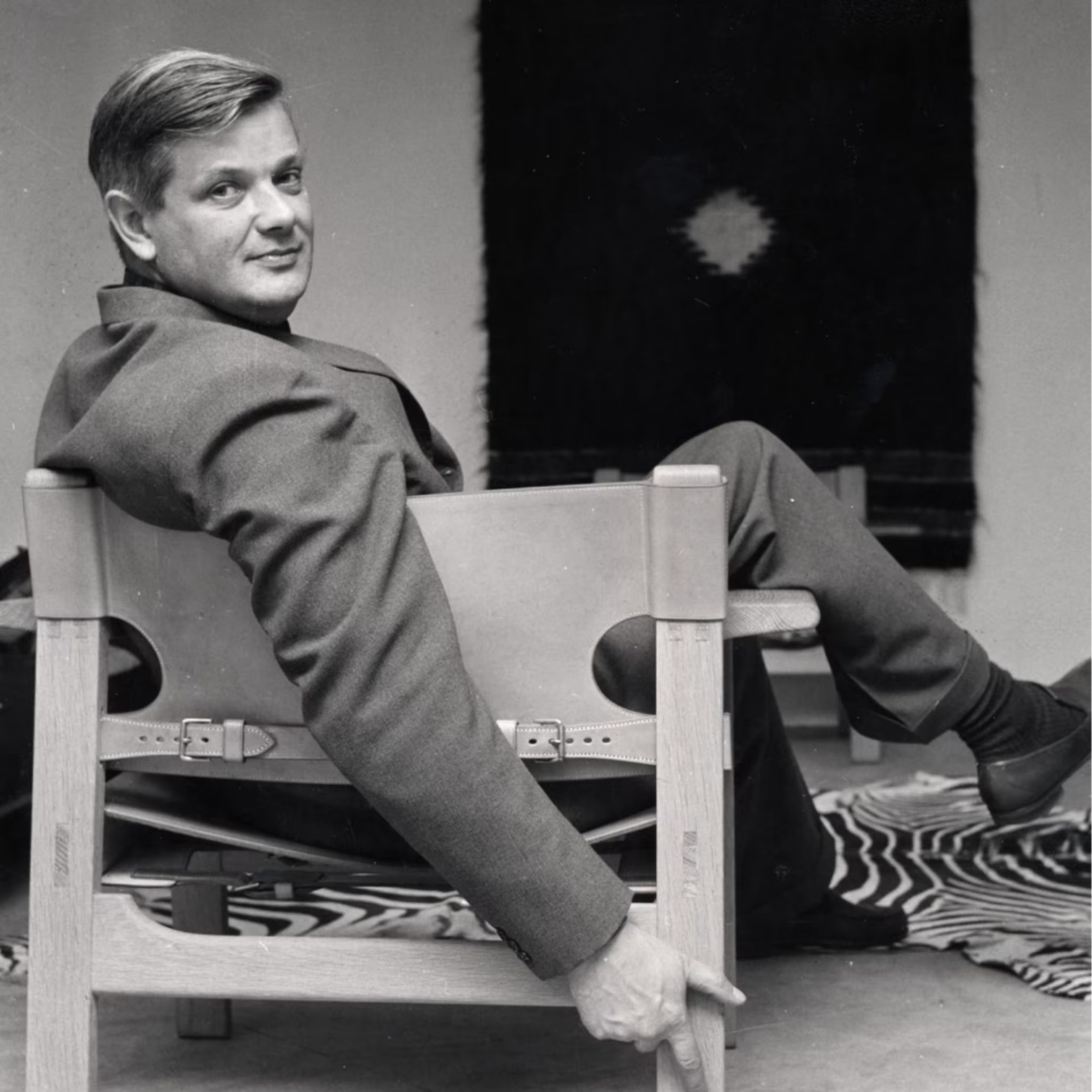
- Børge Mogensen Portrait | Source: Fredericia Furniture
-
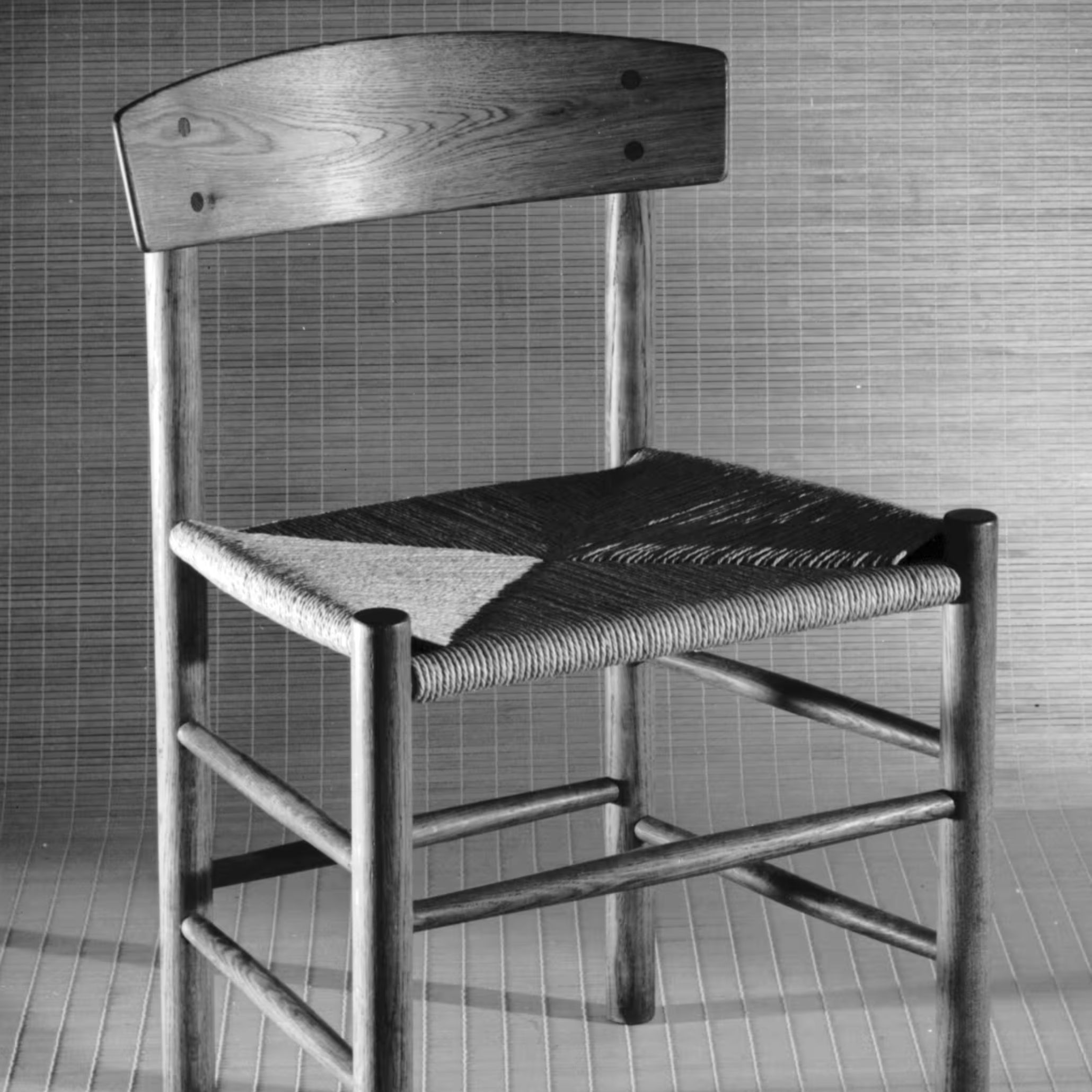
- Børge Mogensen’s J39 Chair | Source: Fredericia Furniture
Throughout his career, Børge Mogensen received numerous distinctions, including the Eckersberg Medal and the C. F. Hansen Medal. These honours affirmed the cultural importance of Børge Mogensen design and strengthened his position within the history of Danish modern furniture. Yet his true achievement lies not in awards, but in the persistence of Børge Mogensen furniture, pieces that continue to feel relevant, balanced, and deeply human across generations.
Børge Mogensen’s Design Philosophy
Børge Mogensen’s design was a deeply humanist conviction. Furniture, for him, was never about the object alone, it was about the people who lived with it. He expressed this belief with clarity:
“My goal is to create items that serve people and give them the leading role, instead of forcing them to adapt to the items.”
Wood was central to Børge Mogensen furniture. Oak and teak were chosen not only for strength, but for their grain and tone. Leather introduced texture and depth of color, evolving beautifully over time. In Børge Mogensen design, materials were allowed to speak with honesty, revealing their nature rather than concealing it.
Function remained a constant compass. Chairs invited conversation. Tables encouraged gathering. Storage offered clarity without excess. Through this disciplined approach, Børge Mogensen shaped Danish modern furniture into a language of elegance.
The result is a body of work that feels balanced and everlasting. Børge Mogensen didn’t pursue novelty, he built a language of Danish modern furniture rooted in practicality and cultural identity. Even today, designers look to Børge Mogensen furniture as a guide for creating pieces that remain relevant, grounded in craftsmanship, proportion, and a lasting respect for human life.
-
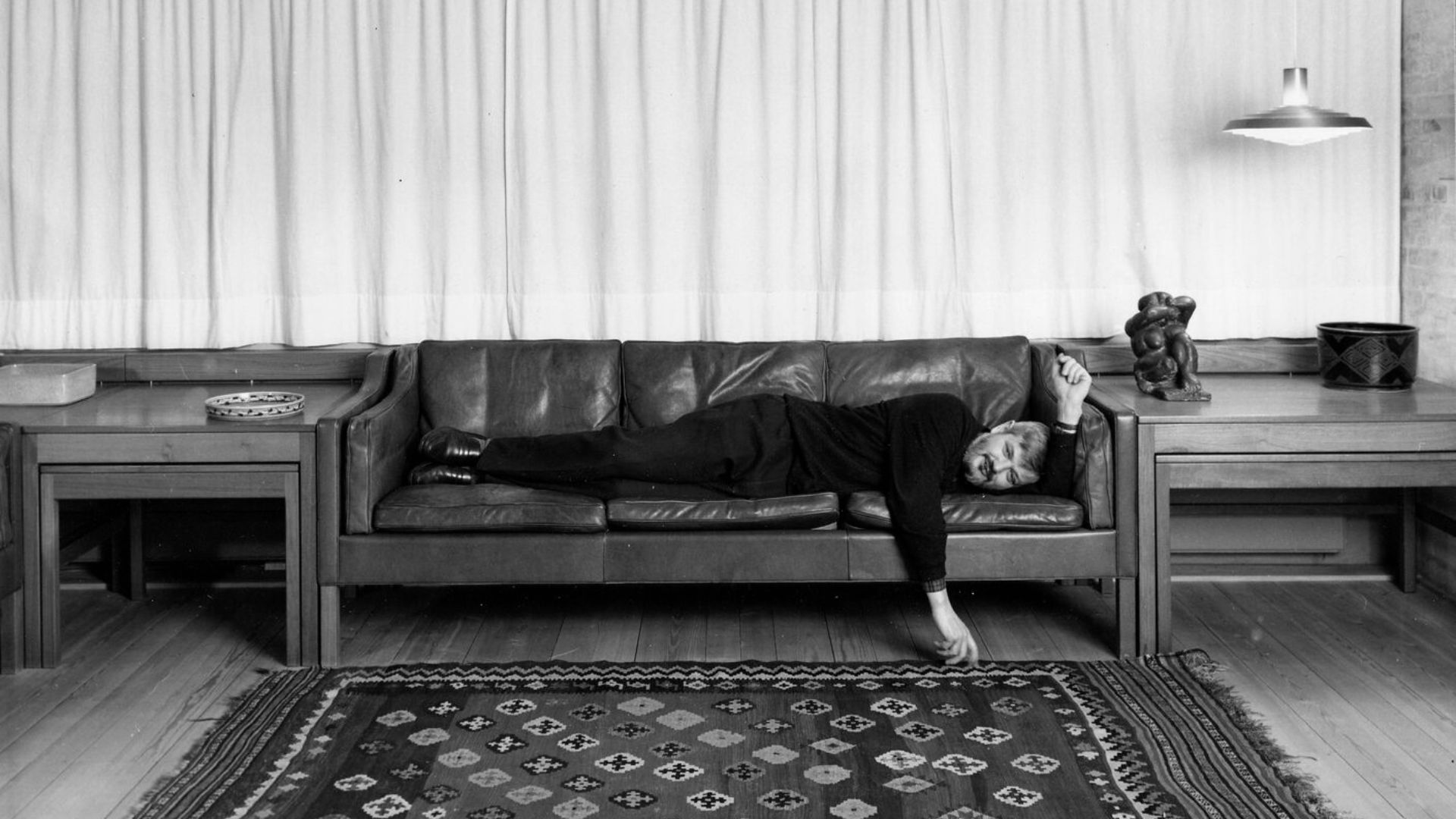
- Børge Mogensen’s Human Centred Design Philosophy | Source: Pinterest
Børge Mogensen and Fredericia Furniture: Danish Modern Classics
The collaboration between Børge Mogensen and Fredericia Furniture remains one of the most significant partnerships in the history of Danish modern furniture. Beginning in 1950, Fredericia Furniture became the primary producer of Børge Mogensen furniture, ensuring that his designs were crafted with fidelity to his principles.
Among the earliest successes was the J39 Mogensen Chair. Designed with woven paper cord and a simple wooden frame, it represents the democratic ideals that guided Børge Mogensen design. Through Fredericia Furniture, this piece reached homes far beyond Denmark, becoming an enduring symbol of Danish modern furniture.
In 1958, Børge Mogensen introduced The Spanish Chair. Inspired by traditional Spanish seating, it reinterpreted history through the disciplined lens of Danish modern furniture. Its wide armrests and solid structure exemplify the architectural clarity that defines Børge Mogensen furniture. Produced by Fredericia Furniture, it remains one of the most recognisable works in his collection.
Another remarkable example is the BM375 Nesting Tables. Designed with precision and practicality, these tables illustrate how Børge Mogensen design reconciles flexibility with elegance.
-
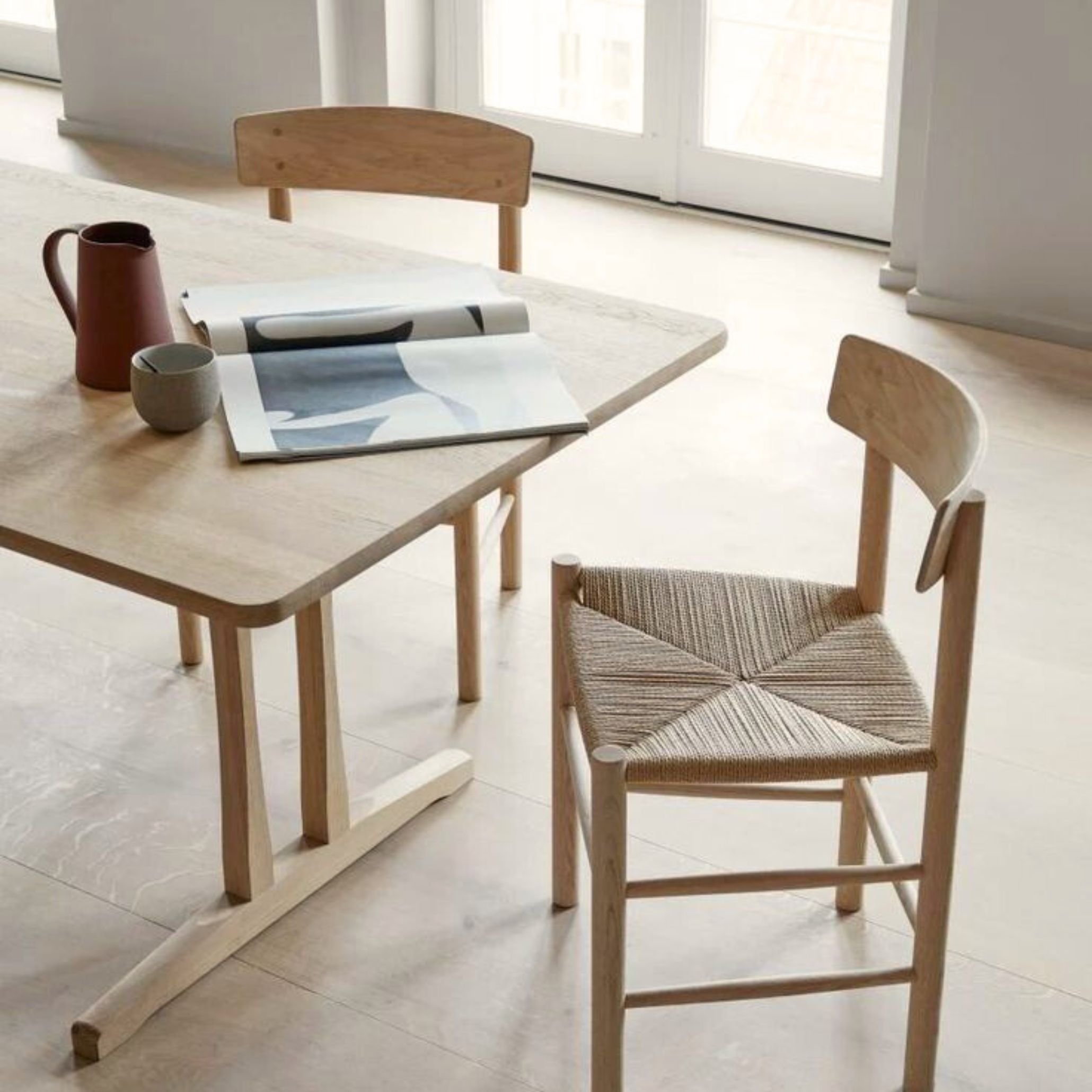
- J39 Mogensen Chair | Source: Pinterest
-
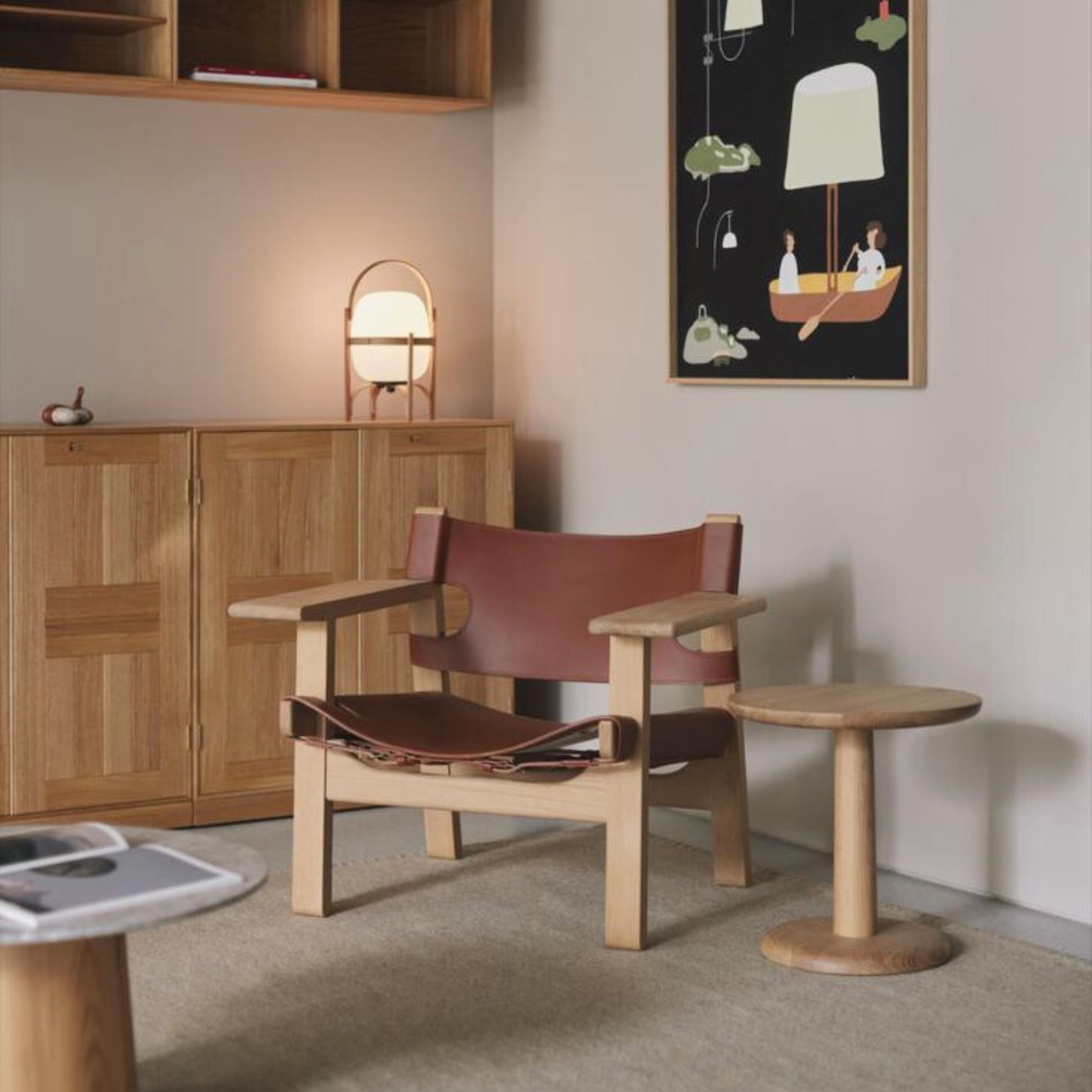
- The Spanish Chair | Source: Pinterest
-
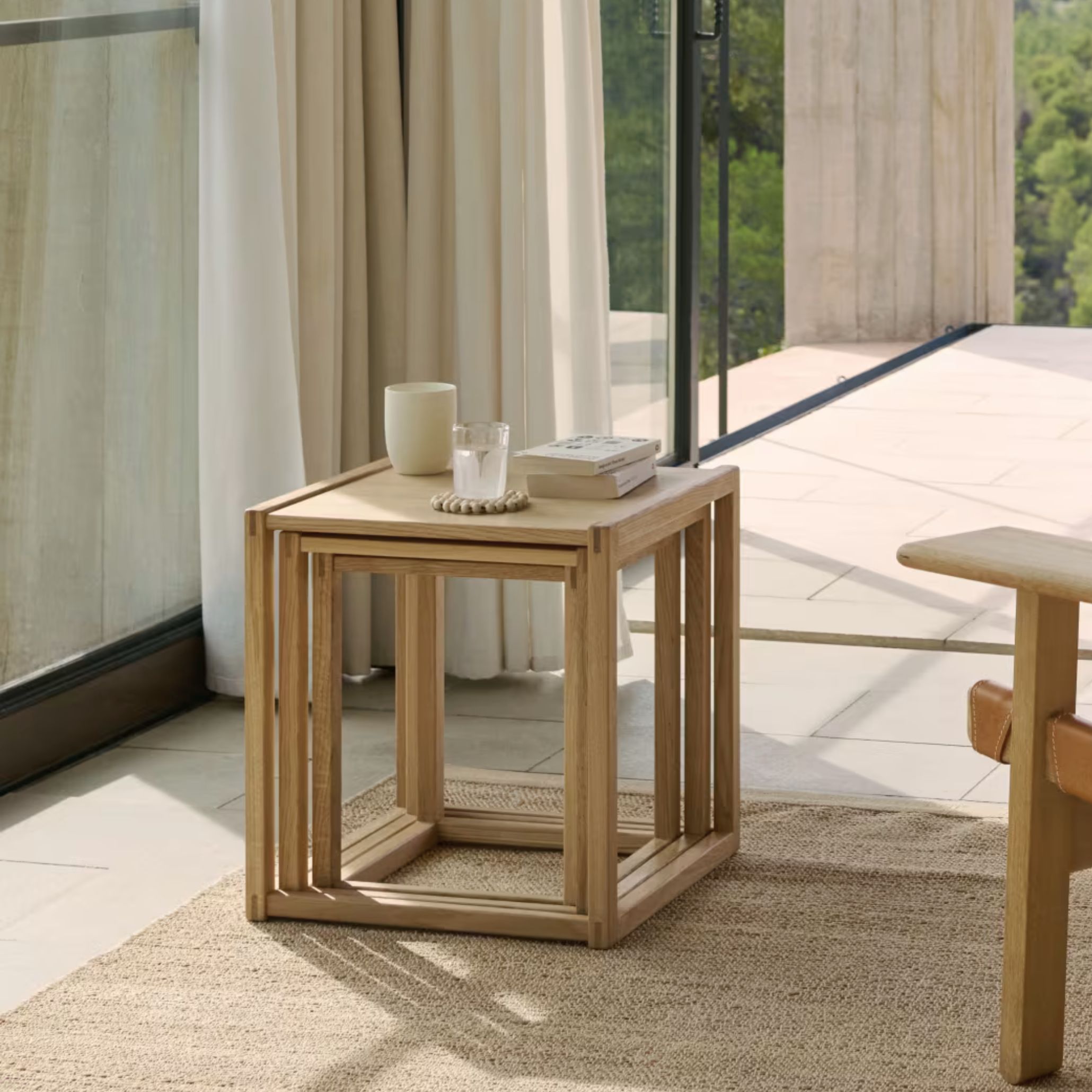
- BM375 Nesting Tables | Source: Pinterest
Through this partnership, Fredericia Furniture ensured that Børge Mogensen furniture maintained the highest standards of craftsmanship. Together, they shaped a legacy that continues to influence contemporary interpretations of Danish modern furniture.
Ripa Armchair: A Contemporary Tribute to Børge Mogensen
The Spanish Chair stands as one of the most powerful expressions of Børge Mogensen design, bold in structure, honest in materials, and architectural in presence. From this foundation, the Ripa Low Armchair and Ripa Armchair draws inspiration, interpreting its principles.
Its solid wood frame mirrors the clarity and precision of Danish modern furniture, while the pronounced back panel evokes the architectural strength of the Spanish Chair. The dialogue between wood and upholstery reflects the material honesty that defines Børge Mogensen furniture, where every detail is purposeful and every line intentional.
-
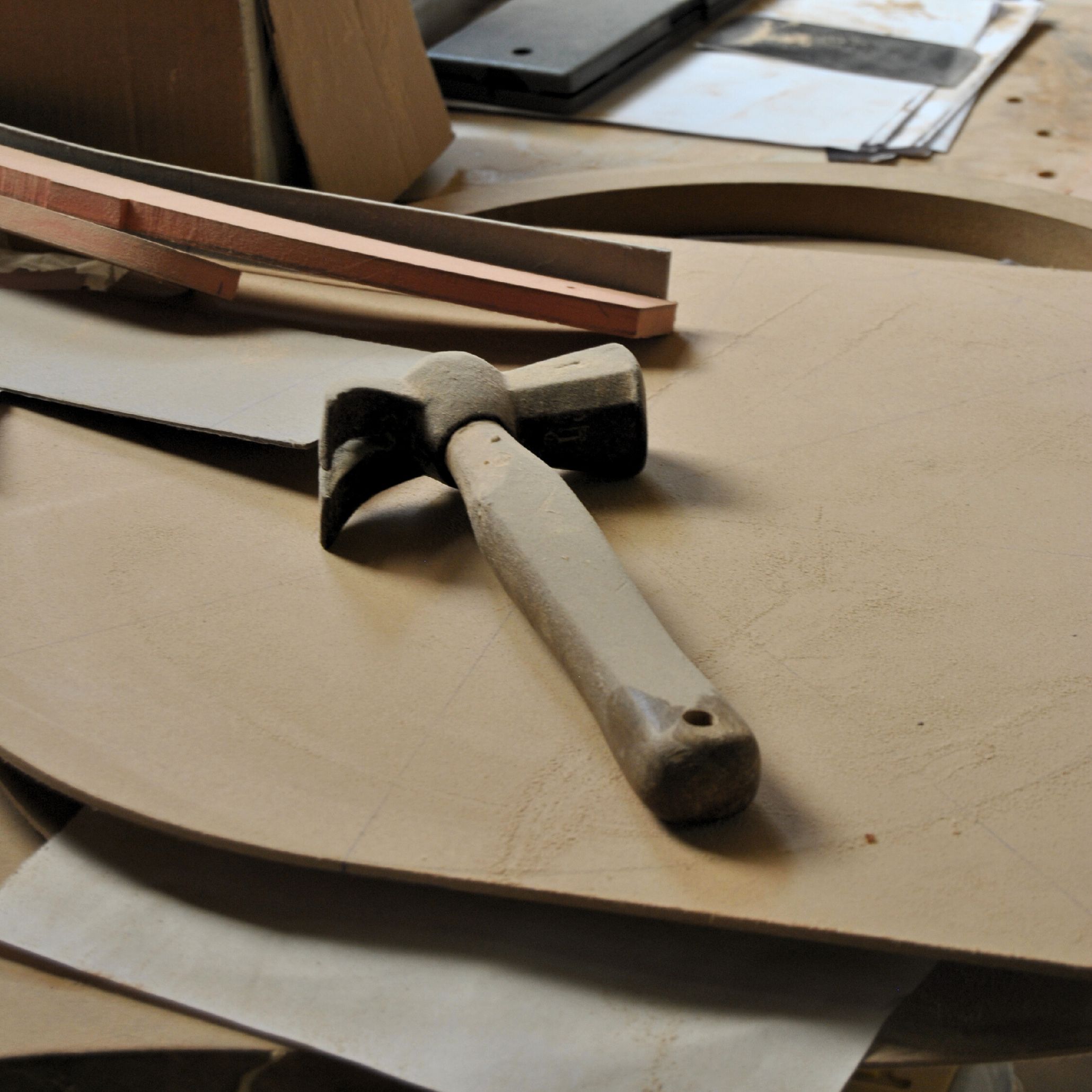
- Ripa Armchair Craftsmanship Process
-
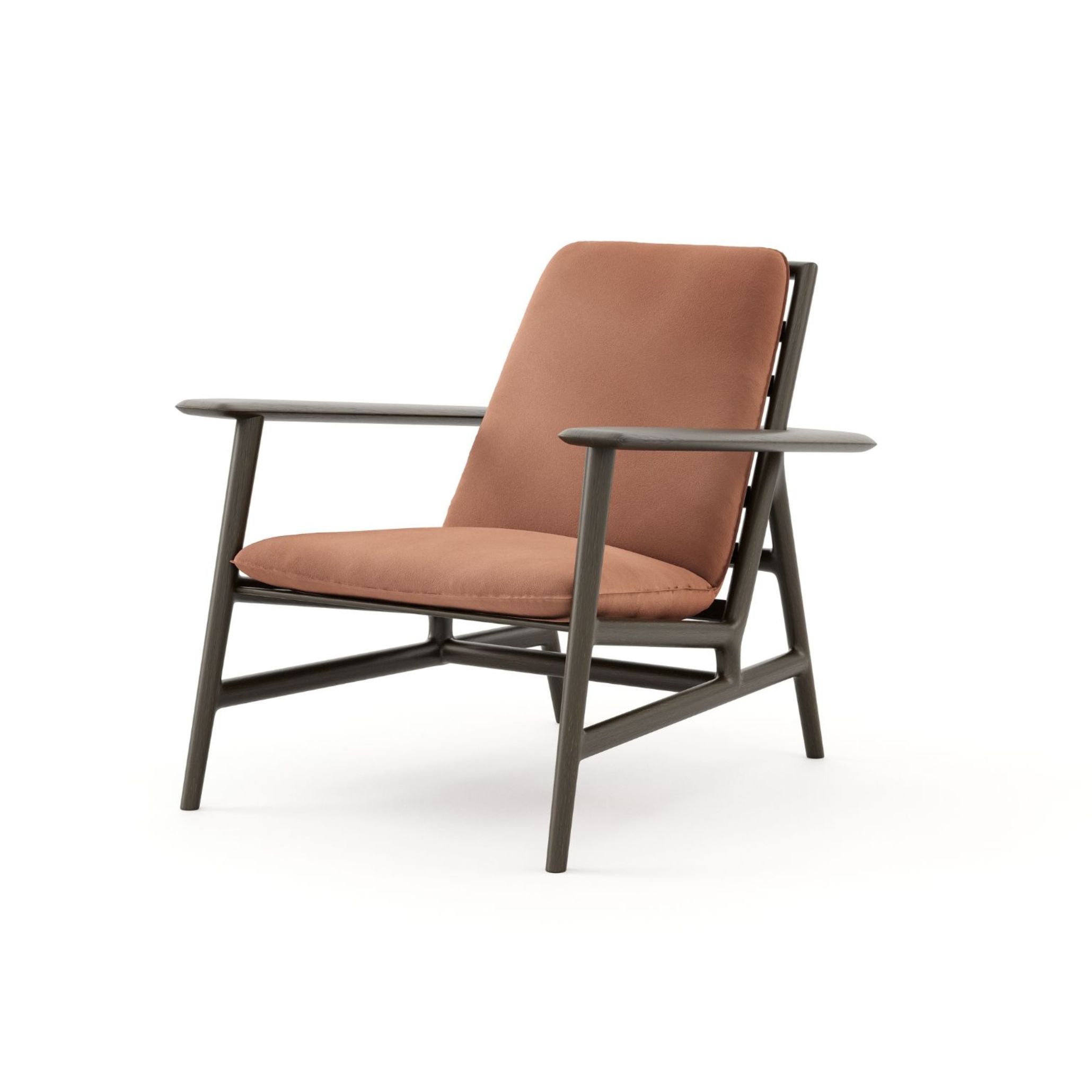
- Ripa Low Armchair
Nature whispers through its form. The Ripa Low Armchair flows as if shaped by time and water, with the back panel emerging as a defining gesture, much like the wide armrests of Mogensen’s creation. Its presence invites quiet reflection, warm conversation, or moments of peaceful solitude.
Crafted with Børge Mogensen design principles in mind, it celebrates durability, thoughtful construction, and elegant simplicity. Customizable in finishes and fabrics, it adapts to interiors while preserving its architectural clarity.
The Ripa Armchair is a contemporary reflection of Børge Mogensen’s vision, carrying forward a philosophy rooted in human use, material honesty, and the timeless elegance of Danish modern design.
-
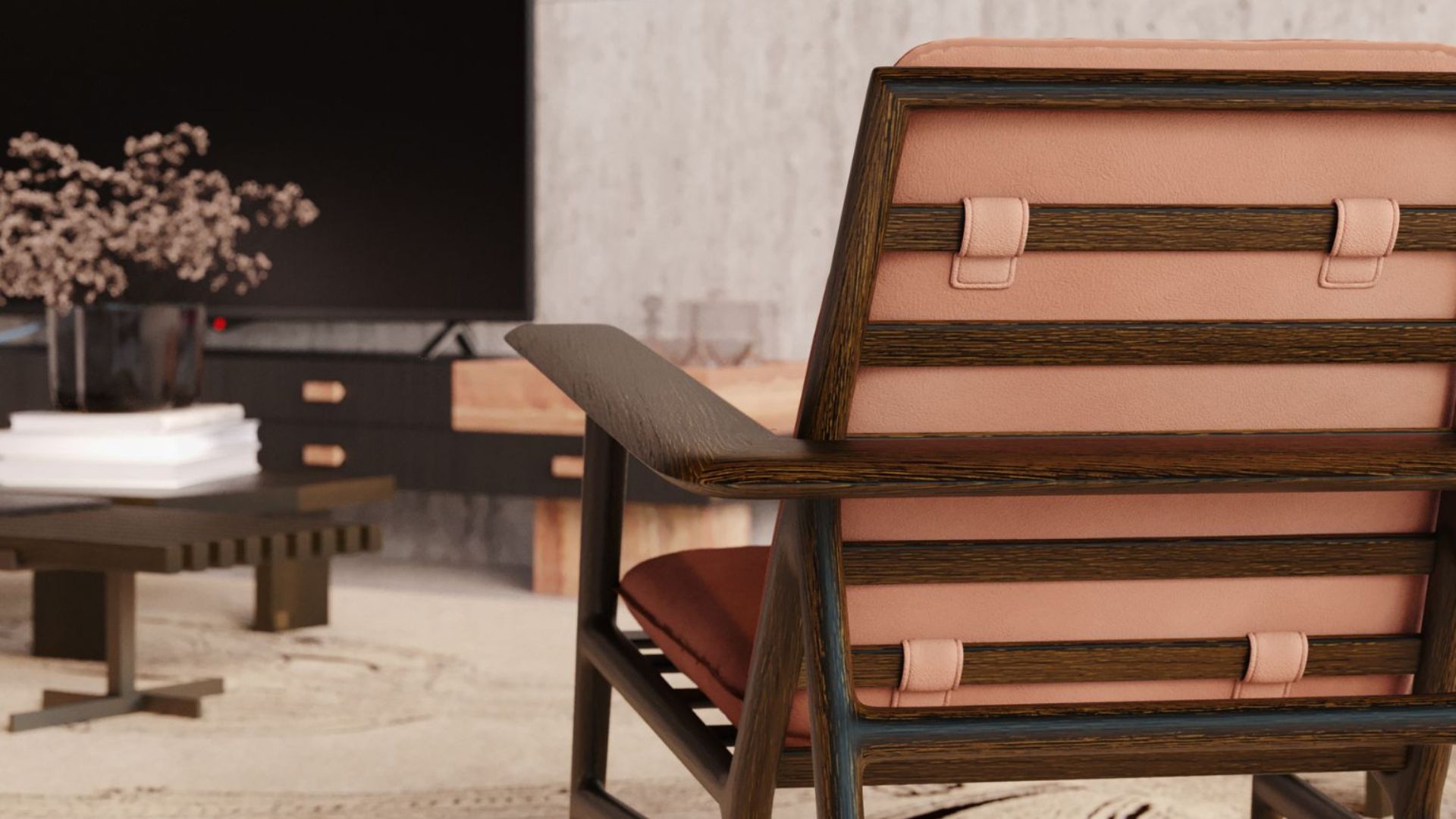
- Ripa Low Armchair Inspired by Børge Mogensen’s design
Børge Mogensen shaped Danish modern furniture through discipline, humility, and a profound respect for daily life. From his early training to his enduring partnership with Fredericia Furniture, Børge Mogensen design established a language of clarity that still resonates today. The legacy of Børge Mogensen furniture lives on not only in historic pieces such as The Spanish Chair, but also in contemporary tributes like the Ripa Armchair.
In honouring Børge Mogensen, we recognise that Danish modern furniture is not defined by ornament, but by purpose. It is a tradition built on craftsmanship and thoughtful design, a tradition that continues to inspire those who seek elegance rooted in authenticity.